Editorial note: Renovation cost ranges, common-issue frequency, and inspection guidance in this article reflect typical conditions in older Hayes Barton and Five Points homes as of early 2026. Actual costs and findings on any specific property depend on the home’s age, prior renovation history, system condition, and current market pricing in Raleigh. Always confirm specific renovation scope, permit requirements, and hazardous material handling with a licensed general contractor, qualified inspector, and applicable Raleigh and Wake County authorities before relying on any guidance in this article.
Quick answer
Buying in Hayes Barton or Five Points usually means a 1920s-1940s home needing $80K-$300K in renovations. Electrical, plumbing, HVAC, and foundation work are the main cost drivers – not cosmetics. The inspection contingency window (7-14 days) is when you should bring in a contractor for a cost-range walkthrough.

TLDR: The Honest Reality of Buying an Older Raleigh Home
Buying in Hayes Barton or Five Points usually means you are buying a 1920s to 1940s home with strong architectural character and a renovation profile that is very predictable.
Most buyers underestimate three things:
- Renovation costs are often $80,000 to $300,000+ depending on scope
- Electrical, plumbing, and foundation updates are common, not rare
- The inspection contingency window is where your real financial decision is made
Typical older Raleigh homes in these neighborhoods often need a mix of system upgrades, not just cosmetic improvements. That includes wiring, plumbing, HVAC, and sometimes structural work tied to foundations or additions.
This guide breaks down what is actually inside these homes, what typically needs repair, and how to think about cost before you commit.
Why This Article Exists
Most buyers entering Hayes Barton or Five Points are not local. They are relocating from markets like California, New York, New Jersey, or Florida, and they are used to newer housing stock.
In Raleigh, especially Inside the Beltline, older homes behave differently. They were built in eras where:
- Electrical loads were minimal
- Plumbing systems were smaller and more fragile by modern standards
- Foundations were not designed for modern code expectations
- Materials like plaster, lead paint, and asbestos were standard
We wrote this because buyers often get a clean inspection summary and still miss the real cost drivers. The inspection report tells you what exists. It does not tell you what it costs to fix in sequence.
For broader renovation planning context, see our full services overview and our Five Points / Hayes Barton service area page, which covers our work specifically in these neighborhoods.
What does “older home” actually mean in Hayes Barton and Five Points?
In these two Raleigh neighborhoods, an “older home” almost always refers to a 1920s–1940s build with original or partially-updated electrical, plumbing, and structural systems that no longer meet modern code expectations.

Hayes Barton: Typical Construction and Era
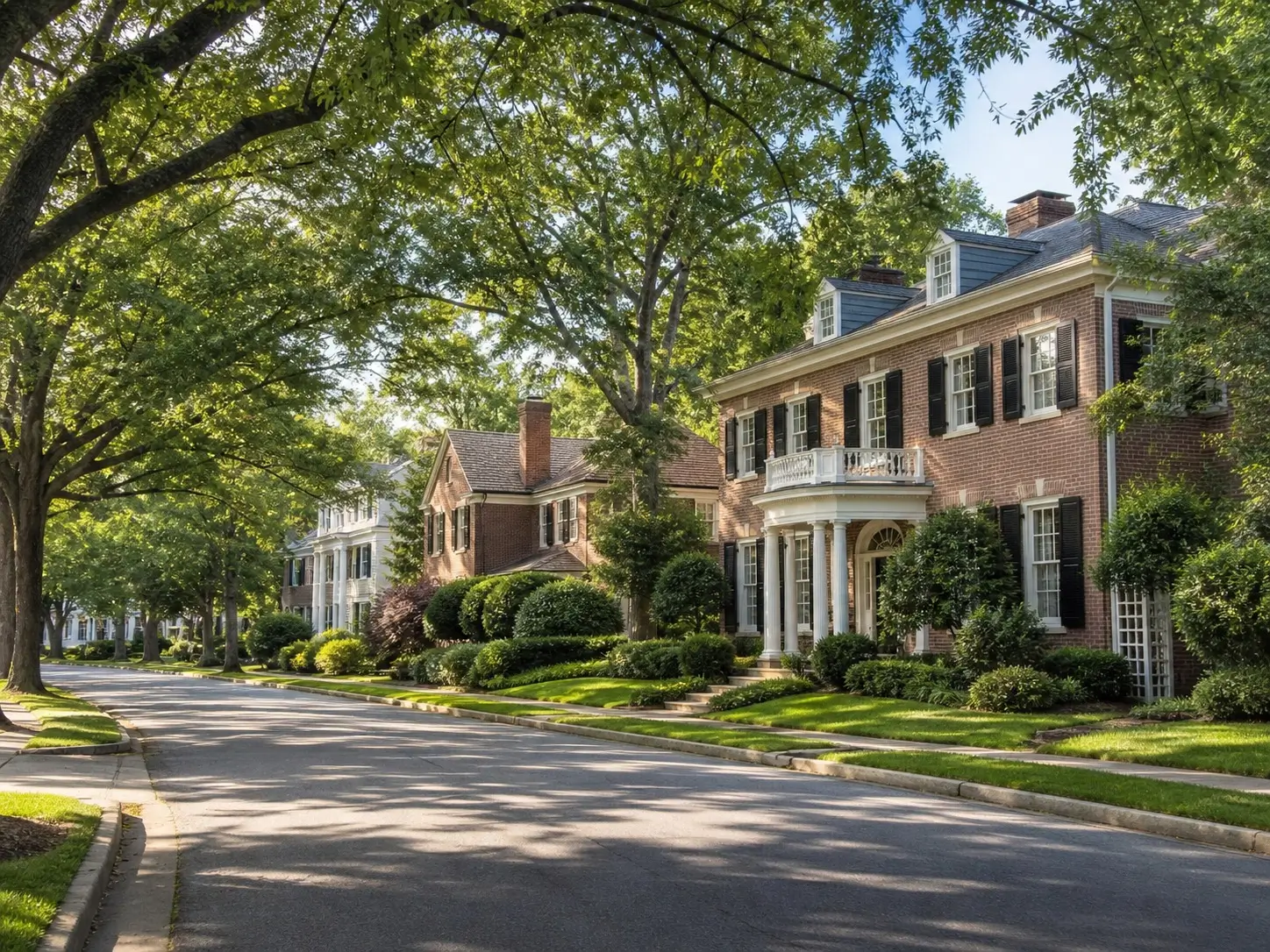
Hayes Barton homes are primarily early 20th century builds, often 1920s through 1940s. Many are large, brick or wood-framed homes with original plaster interiors and full basements or crawl spaces.
These homes often include:
- Original framing with later additions
- Mixed electrical updates over time
- Multiple renovation layers from different decades
Five Points: Typical Construction and Era
Five Points includes a slightly wider mix of homes, but still heavily concentrated in the 1920s to 1940s range. You will see smaller footprint homes compared to Hayes Barton, but similar underlying systems.
Common characteristics:
- Narrower lot lines
- More frequent partial remodels
- Higher likelihood of incremental DIY updates over decades
Why the Construction Era Matters for Renovation Cost
The era matters because systems age together. When one system fails, others are usually close behind.
A home from this era often has:
- Electrical systems that were not designed for modern kitchen and HVAC loads
- Plumbing materials that have reached or exceeded life expectancy
- Structural systems designed before modern load standards
That combination is what drives renovation cost variability.
💬 HomeFREA Insight: Buyers who treat older homes like newer homes with character usually get caught off-guard by the cost stack. The right mental model is “every major system has a renovation clock.” If two or three of those clocks are about to expire at the same time, the renovation budget compounds.
What problems are common in older Hayes Barton and Five Points homes?
Almost every 1920s–1940s Raleigh home shows the same six issues during inspection: knob-and-tube or outdated electrical, original cast iron or galvanized plumbing, plaster walls, pier-and-beam foundation settlement, single-pane wood windows, and retrofitted HVAC ductwork.
Knob-and-Tube and Outdated Electrical
Older Raleigh homes often contain partial or full knob-and-tube wiring. Even when partially replaced, legacy circuits frequently remain in attic or wall sections.
Typical costs:
- Full house rewire: $15,000 to $45,000
- Panel upgrade: $3,000 to $5,500
For reference on electrical safety standards, the North Carolina State Building Code governs current requirements through the NC Office of State Fire Marshal.
Original Plumbing
Plumbing systems may include cast iron, galvanized steel, or in some cases polybutylene from later renovations.
Typical costs:
- Whole-house repipe: $6,000 to $18,000
- Sewer line replacement: $5,000 to $25,000+
Plaster Walls and Lath
Plaster is common in both neighborhoods. It performs well structurally but complicates renovation sequencing.
Typical costs:
- Plaster repair: $500 to $3,000 per area
You can also expect slower installation timelines when integrating modern electrical or plumbing inside plaster walls.
Pier and Beam Foundations
Many older homes sit on crawl spaces or pier-and-beam systems that have experienced decades of settlement and moisture exposure.
Typical costs:
- Crawl space encapsulation: $7,000 to $18,000
- Major structural correction: $20,000 to $80,000+
For severe settlement or load-related issues, our structural repair services cover scope, sequencing, and finish restoration.
Single-Pane Wood Windows
Original wood windows are common and often restorable, but inefficient by modern energy standards.
Typical costs:
- Restoration: $300 to $1,200 per window
Original HVAC and Ductwork
HVAC systems are often retrofitted rather than originally designed. That means duct runs are sometimes undersized or routed through unconditioned space.
Typical costs:
- Full HVAC replacement: $8,000 to $22,000+
Roofing on an Older Raleigh Home
Roof systems are often layered or replaced in phases over decades. Hidden decking issues are common, especially when previous re-roofs were done over existing layers.
Roof costs vary widely depending on structural condition beneath the shingles.
The Hazardous Materials Conversation
Lead Paint
Homes built before 1978 may contain lead-based paint, which was federally banned for residential use that year. Lead exposure can occur during renovation when surfaces are disturbed.
For renovation safety guidance, see the EPA lead-safe renovation page and CDC lead exposure information.
Asbestos
Asbestos may be found in flooring, insulation, adhesives, and pipe wrap in homes from this era. The EPA asbestos page provides guidance on identification and abatement.
Typical abatement:
- Asbestos floor tile: $5 to $15 per sq ft
Vermiculite Insulation
Older attic insulation may contain asbestos-contaminated vermiculite. If present, it requires specialized testing and handling per EPA guidance.
Mold and Hidden Water Damage
Moisture intrusion is common in crawl spaces and behind plaster walls due to aging drainage systems and roof lines. Visible signs may understate the actual extent.
💬 HomeFREA Insight: The hazardous materials conversation is not a deal-breaker on its own. It is a sequencing and cost conversation. Lead-safe renovation practices, proper asbestos abatement, and crawl space remediation are routine on Inside-the-Beltline projects when planned for upfront. They become expensive surprises only when discovered mid-project.
How much does it cost to renovate a 1920s Raleigh home? (2026 Reference Table)
A full older-home renovation in Hayes Barton or Five Points typically costs $80,000 to $300,000+ in 2026, broken down by system as follows:
The table below consolidates the cost ranges discussed in the sections above for at-a-glance budgeting:
Category | Typical Range | Key Drivers |
Full electrical rewire | $15,000 to $45,000 | Square footage, plaster walls, accessibility |
Electrical panel upgrade | $3,000 to $5,500 | Service amperage, current panel condition |
Whole-house repipe | $6,000 to $18,000 | Layout complexity, fixture count |
Sewer line replacement | $5,000 to $25,000+ | Length, depth, hardscape disturbance |
Plaster repair | $500 to $3,000 per area | Damage scope, integration with new systems |
Crawl space encapsulation | $7,000 to $18,000 | Square footage, moisture remediation needs |
Major structural correction | $20,000 to $80,000+ | Settlement severity, foundation type |
Window restoration | $300 to $1,200 per window | Restoration vs replacement, window count |
Full HVAC replacement | $8,000 to $22,000+ | System size, ductwork condition |
Asbestos abatement (floor tile) | $5 to $15 per sq ft | Material type, square footage |
Comprehensive older-home update (full scope): $80,000 to $300,000+ depending on which systems are addressed and in what sequence.
💬 HomeFREA Insight: The biggest cost surprise is not one system. The overlap between systems is what compounds the budget. Electrical, plumbing, and structural upgrades often happen together once walls and floors are opened, because doing them separately means opening the same walls twice.
Send the listing, inspection report, and any contractor bids you’ve received. We’ll return a written cost range and renovation sequencing plan within two business days.
Hayes Barton vs Five Points: Which Is the Better Buy for Renovation?
Lot Sizes
Hayes Barton typically offers larger lots, which can provide more flexibility for additions or ADUs. Five Points lots are often narrower with less expansion potential.
Construction Quality
Hayes Barton homes generally have more substantial original construction. Five Points homes vary more in prior renovation quality due to incremental updates over time.
Resale Patterns
Both neighborhoods generally maintain strong resale demand due to location Inside the Beltline.
Historic District Rules
Some properties may fall under Raleigh Historic Development Commission review depending on designation status. Always verify property-specific rules directly with the City of Raleigh and RHDC before planning exterior changes.
The Pre-Purchase Walkthrough Framework
When to Bring in a Contractor
During your inspection contingency window, ideally within 7 to 14 days of going under contract. The walkthrough gives you a renovation cost picture before you have to remove contingencies.
What It Covers
A walkthrough typically evaluates:
- Electrical system age and capacity
- Plumbing material types and condition
- Structural movement or foundation issues
- Visible moisture damage
- Likely permit scope requirements
Deal-Breakers vs Budget Items
Deal-breakers:
- Major structural failure
- Extensive foundation movement
- Unsafe electrical systems with widespread degradation
Budget items:
- Window restoration
- Cosmetic plaster repair
- HVAC replacement planning
What to Send HomeFREA
- Inspection report
- Listing photos
- Any contractor bids you already received
Schedule a pre-purchase walkthrough during your inspection contingency. We typically schedule within 48 hours, subject to availability.
Two Buyer Scenarios
The following are illustrative scenarios drawn from typical inspection findings on Hayes Barton and Five Points homes. Actual estimates for any specific property depend on inspection findings, contractor scope, and current Raleigh pricing.
Scenario 1: Out-of-State Hayes Barton Buyer
A buyer relocating from California is under contract on a 3,000 sq ft Hayes Barton home.
Inspection reveals:
- Partial knob-and-tube wiring
- Aging HVAC system
- Crawl space moisture issues
Estimated renovation scope:
- Electrical: $25,000 to $40,000
- HVAC: $12,000 to $18,000
- Crawl space: $10,000 to $15,000
Total early-stage planning range: $50,000 to $75,000 before cosmetic work.
Scenario 2: Local Five Points Long-Term Buyer
A local buyer purchasing a 1,800 sq ft Five Points home plans phased renovation.
Findings:
- Mixed plumbing updates
- Original plaster walls
- Roof nearing end of life
Estimated scope:
- Plumbing: $8,000 to $14,000
- Roof: $12,000 to $20,000
- Plaster repair: $3,000 to $8,000
Total planning range: $25,000 to $40,000+ depending on sequencing.
When should you walk away from an older Raleigh home?
You should walk away when structural failure, water intrusion, or unsafe electrical conditions exceed your renovation budget and timeline tolerance — the inspection contingency window is the time to make this call.
Walking away is generally appropriate when:
- Structural issues exceed realistic repair tolerance
- Electrical systems require full unsafe-condition remediation with no budget flexibility
- Water intrusion has caused repeated long-term damage
- Multiple major systems fail simultaneously without clear remediation path
The inspection contingency window is the time to make this call. According to general inspection standards outlined by the American Society of Home Inspectors (ASHI), home inspections identify conditions, not guarantees of repair feasibility, which is why a contractor walkthrough during contingency provides the cost picture the inspection report does not.
How HomeFREA Approaches Older Raleigh Home Renovations
We focus on sequencing. Older homes do not fail in isolation. They fail in systems.
Our approach generally includes:
- Identifying hidden system overlap before design starts
- Estimating full-scope renovation cost ranges early
- Coordinating structural, electrical, plumbing, and finishing work together
- Aligning permit requirements with renovation planning
For specific renovation needs, see our structural repair services and whole home remodeling services.
Frequently Asked Questions
Are Hayes Barton homes hard to renovate?
Yes, Hayes Barton homes can be complex to renovate because of age, layered systems, and structural variability. Many homes were built before modern electrical and plumbing standards, which means upgrades often involve multiple systems at once. Renovation difficulty depends on prior updates and overall condition rather than location alone.
How much does it cost to renovate an older home in Hayes Barton or Five Points?
Most full renovation projects range from $80,000 to $300,000+ depending on scope. Costs increase when electrical, plumbing, HVAC, and structural systems are updated together. Cosmetic-only projects are lower, but most older homes require at least partial system modernization.
Is Hayes Barton or Five Points a historic district with restoration rules?
Some properties may fall under historic review depending on designation. The Raleigh Historic Development Commission oversees designated properties. Always verify property-specific requirements directly with RHDC and the City of Raleigh before planning exterior changes.
What is knob and tube wiring and do older Raleigh homes still have it?
Knob and tube wiring is an early electrical system used in homes built before modern wiring standards. It may still exist in older Raleigh homes, especially in attics or partially renovated sections. Modern building standards generally call for replacement during major renovations because the wiring lacks a ground conductor and is not designed for modern circuit loads.
Should I worry about plaster walls when buying an older home in Raleigh?
Plaster walls are not a structural concern, but they generally increase renovation complexity. Repairs are more labor-intensive and integrating new electrical or plumbing lines requires careful planning. Many homeowners choose to retain plaster for aesthetic reasons when feasible.
Do older Raleigh homes have lead paint or asbestos?
Yes, homes built before 1978 may contain lead-based paint, which was federally banned for residential use that year. Asbestos may also be present in flooring, insulation, adhesives, or pipe wrap. The EPA and CDC provide guidance on safe renovation practices for these materials.
What foundation issues should I expect in older Raleigh homes?
Common issues include settlement, moisture intrusion in crawl spaces, and aging pier-and-beam systems. These conditions vary widely and may require stabilization, encapsulation, or structural reinforcement depending on severity.
Should I get a sewer scope before buying an older Raleigh home?
Yes, sewer scopes are strongly recommended for older homes. Aging clay or cast iron lines can deteriorate over time, and replacement costs can be significant. A scope helps identify blockages, breaks, or root intrusion before closing.
Is Hayes Barton or Five Points a better buy for renovation?
Neither neighborhood is universally better. Hayes Barton often offers larger lots and more original construction consistency, while Five Points can have more renovation variability. The better choice depends on the specific home condition, not the neighborhood alone.
Does HomeFREA do pre-purchase walkthroughs for older Raleigh homes?
Yes, HomeFREA provides pre-purchase walkthroughs to evaluate renovation scope, system condition, and likely cost ranges. These walkthroughs are designed to help buyers understand renovation reality during the inspection contingency window.
Key Takeaways
- Most older Hayes Barton and Five Points homes require $80,000 to $300,000+ in renovation planning depending on scope
- Electrical, plumbing, HVAC, and structural systems are the primary cost drivers, not cosmetic finishes
- Inspection reports identify conditions but do not fully capture renovation sequencing costs
- Plaster, lead paint, and asbestos may be present and must be handled per EPA guidance and licensed abatement standards
- Sewer and foundation systems are high priority for pre-purchase evaluation
- Historic designation may apply to specific properties and must be verified individually with RHDC
- Renovation feasibility depends more on system condition than neighborhood name
- A pre-purchase walkthrough during contingency is often the most valuable decision tool
Request a Pre-Purchase Walkthrough Before Your Contingency Expires
Buying an older home in Hayes Barton or Five Points is a timing-sensitive decision. The inspection window is where renovation reality becomes clear.
HomeFREA provides structured pre-purchase walkthroughs that evaluate systems, estimate renovation scope, and identify potential deal-breakers before your contingency expires.
We typically schedule walkthroughs within 48 hours, subject to availability. Free site visit, written renovation cost range, and a deal-breaker review.
This guide is educational and not legal, code, financial, or hazardous-material handling advice. Renovation costs, system conditions, and applicable code or historic-designation requirements vary by property. Always confirm specific scope, permits, and hazardous material handling with a licensed general contractor, qualified inspector, the City of Raleigh, the Raleigh Historic Development Commission (where applicable), and certified abatement professionals before relying on any information in this article.
About the Author
HomeFREA is a general contractor based at 3341 Grove Crabtree Crescent in Raleigh, NC, serving homeowners across Five Points and Hayes Barton, North Raleigh and North Hills, Cary, Apex, Holly Springs, Wakefield, South Durham, and Fuquay-Varina.
The HomeFREA team focuses on older-home renovations across the Triangle, including whole home remodeling, structural repair, kitchen and bathroom remodeling, and home additions inside the Beltline. Pre-purchase walkthroughs are offered to help buyers evaluate renovation scope during the inspection contingency window.
To request a pre-purchase walkthrough, cost range, or general renovation consultation, contact HomeFREA at 919-228-9048 or paul@homefrea.com