
Structural Repairs
Structural issues can feel urgent because they affect safety, comfort, and confidence in the home. The fastest way to reduce stress is to get clear on scope. What is the symptom, what is causing it, what repair is actually needed, and what finish restoration comes after the repair. HomeFREA handles structural repairs with a safety-first approach, practical sequencing, and clear documentation so you can compare options and move forward with confidence.
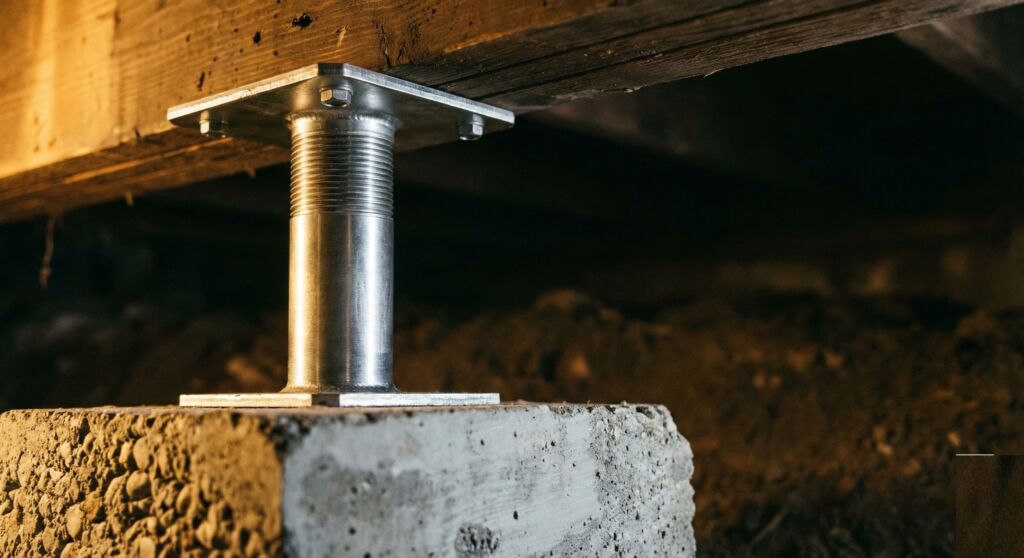
Signs you may need a structural repair
Not every crack or sticking door is a structural problem, but these are common signals that deserve a closer look:
If water is part of the story, it is important to address drying and mitigation first, then rebuild and restore finishes once conditions are stable.
- Floors that feel bouncy, uneven, or sloped
- Doors that stick, swing open on their own, or no longer latch
- Cracks that keep returning after cosmetic patching
- Gaps around trim, baseboards, or between walls and ceilings
- Visible sagging in beams, headers, or framing members
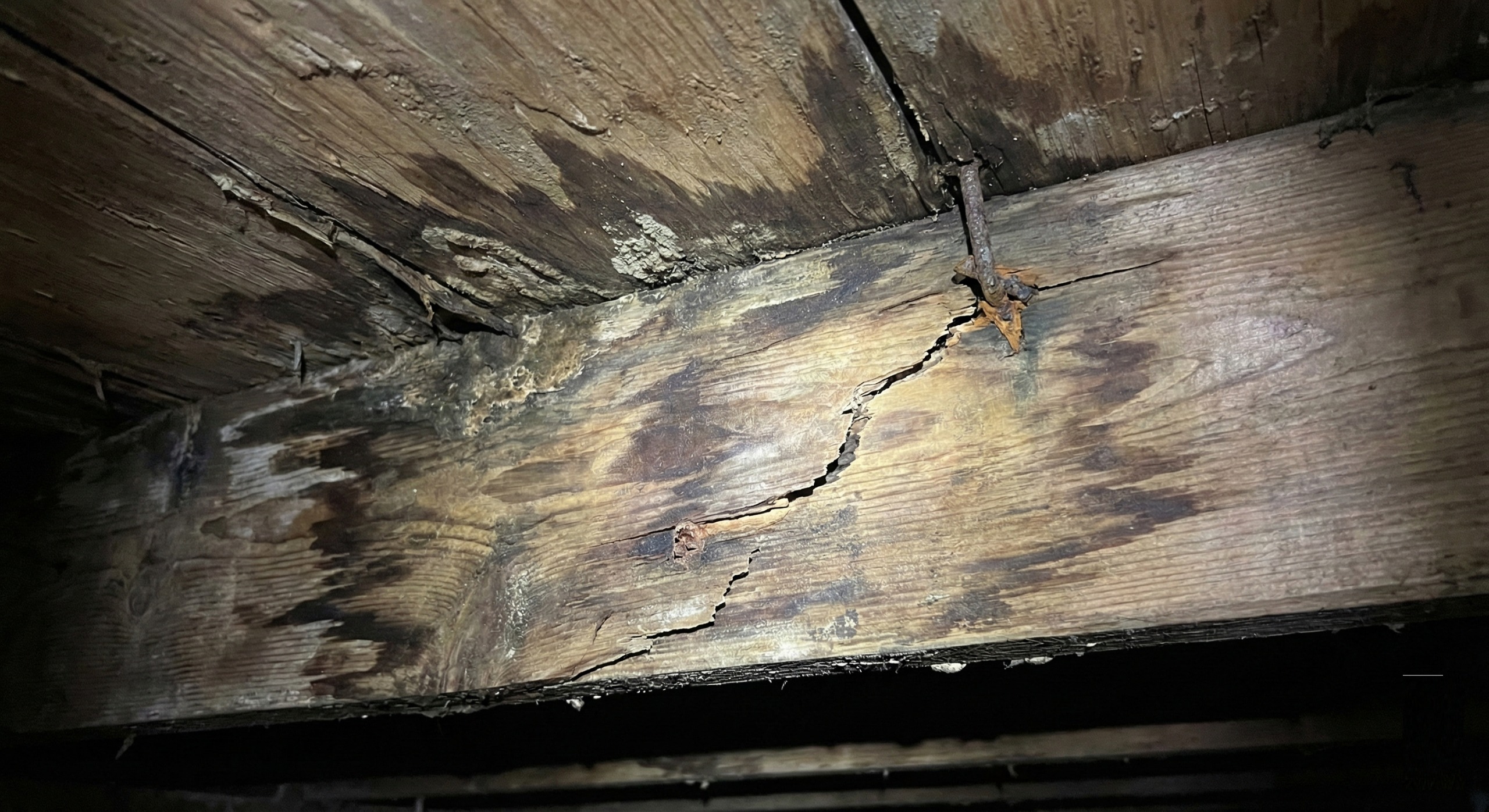
- Damage after water intrusion, including soft subfloors or deteriorated framing
What’s typically included
Every structural repair is different, but these are common inclusions in a HomeFREA structural repair scope.
- Site visit to understand symptoms and access
- Identification of likely contributing factors and constraints
- Clear documentation of what is included, excluded, and assumed
- Coordination of a practical repair plan and sequencing across trades
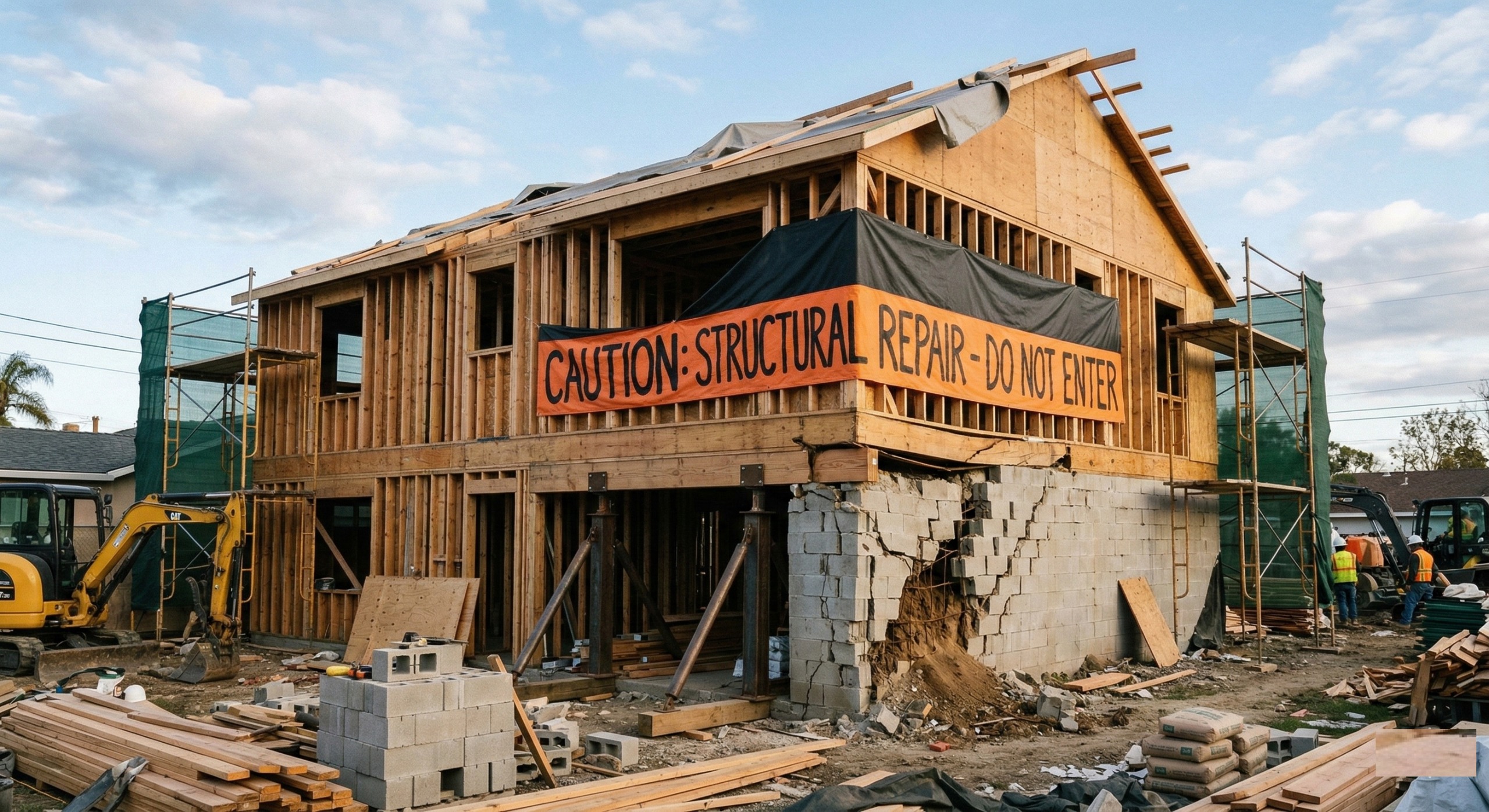
- Temporary supports as needed to complete the work safely
- Framing repairs and reinforcement as scoped (for example, correcting compromised members or adding support where required)
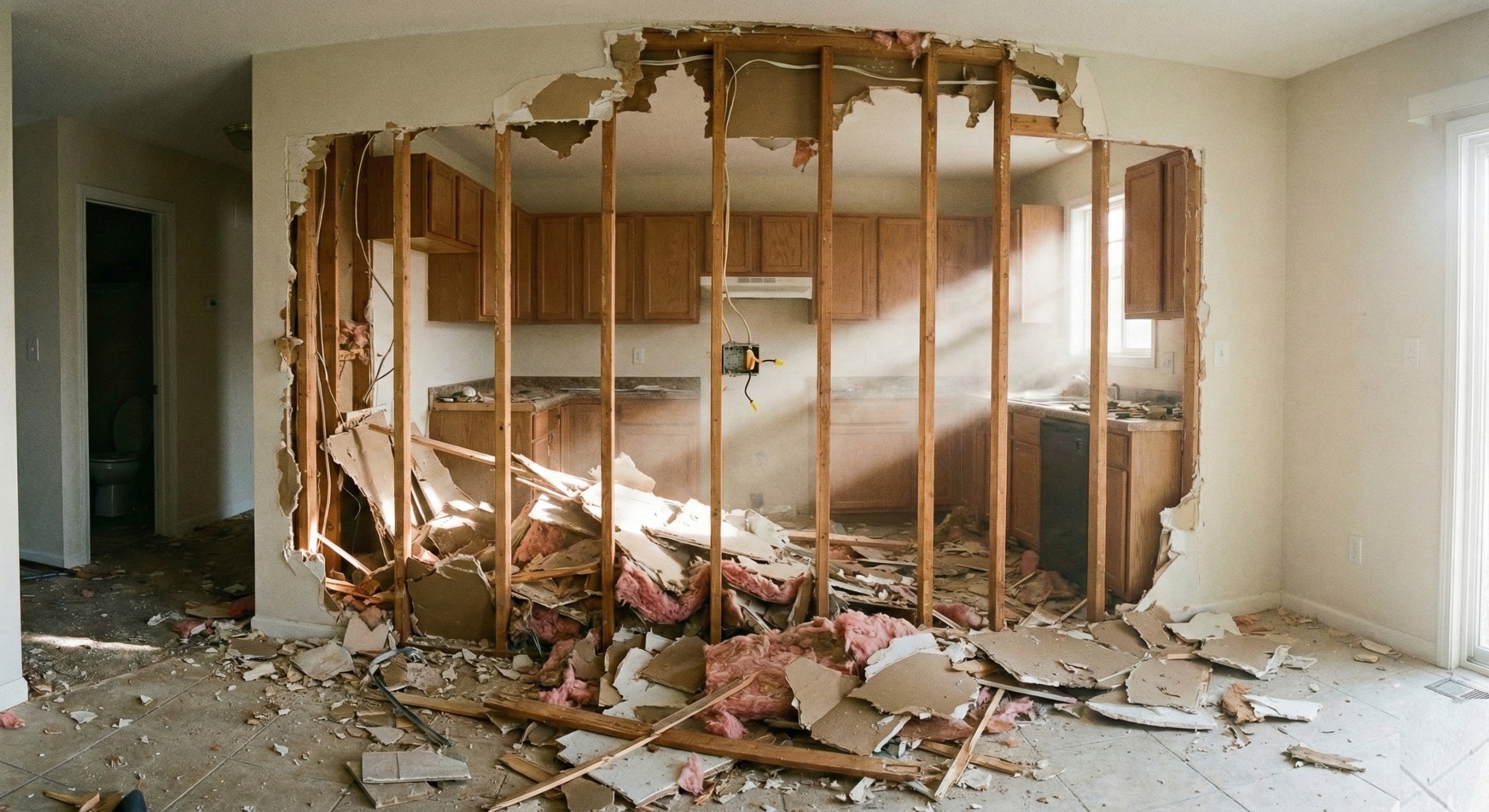
Structural work often requires opening surfaces, then restoring them afterward. Finish restoration may include:
- Drywall repair and interior painting
- Flooring repair or replacement in affected areas
- Trim and finish carpentry touch-ups
Related services commonly tied to structural repair restoration:
Common exclusions and boundaries to clarify early
Structural repair proposals are only comparable when the boundaries are explicit. Depending on your project, these items may be excluded or handled separately:
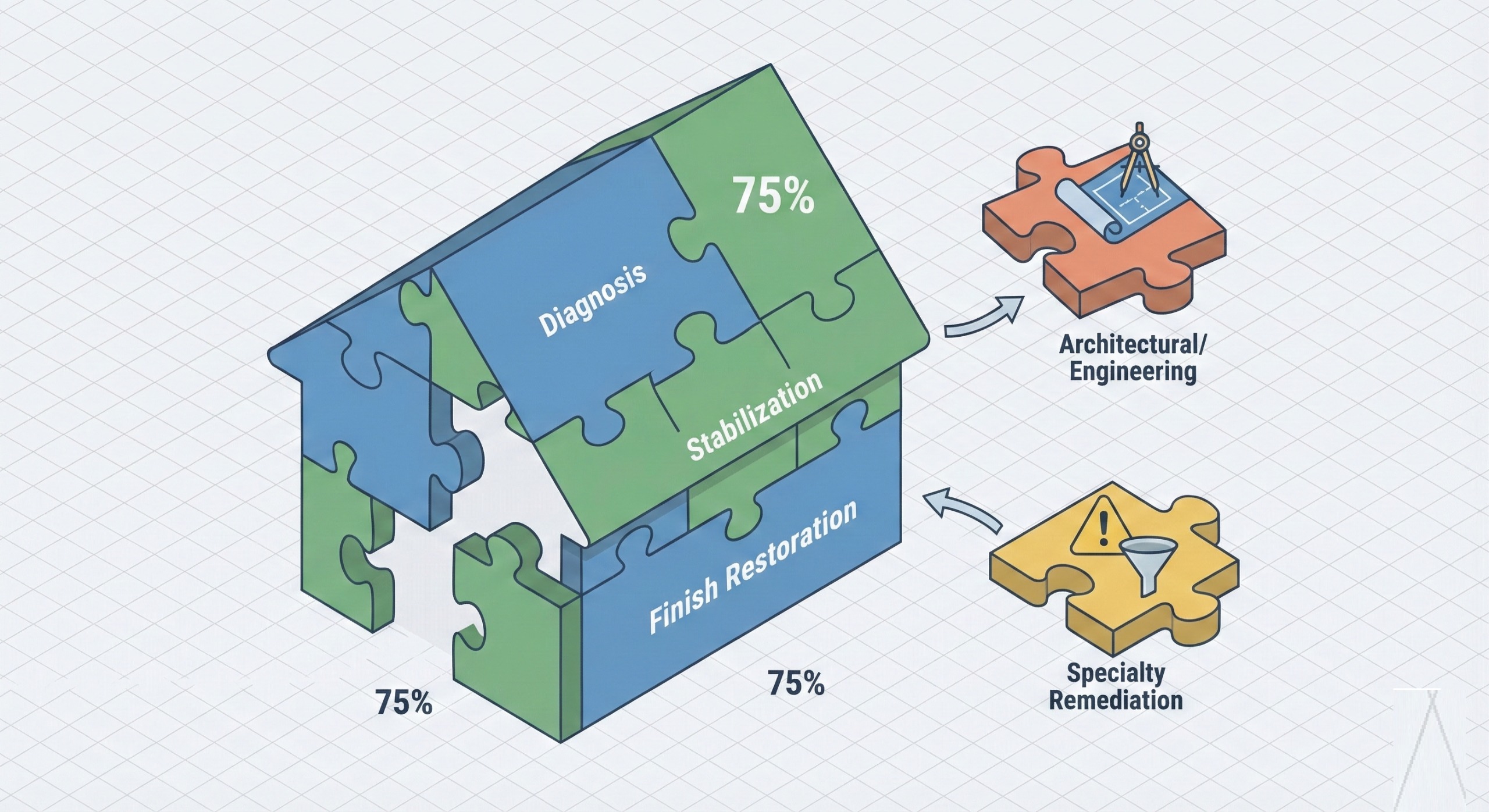
Stamped engineering, architectural design, or formal design documents (if not part of the offering) Specialty remediation work outside the defined scope

Permit fees or third-party requirements that vary by jurisdiction (these should be listed clearly)
If your structural concern is part of a larger renovation plan, you may benefit from whole-home coordination so trade sequencing stays clean across multiple scopes.
Whole Home Remodeling
When do you need an engineer?
Some structural situations require engineering input, especially when loads are changing, spans are increasing, or the repair is beyond straightforward reinforcement. The simple rule is this: if the repair involves altering load paths, removing structural members, or addressing significant movement, an engineer may be needed. When engineering is required, we plan the project around that coordination so pricing and scheduling remain realistic.
If you are not sure whether engineering applies, send photos and a short description first. We can tell you what the next step should be.
How it works
Structural repairs run smoother when the process is disciplined and the scope is documented before work begins.
Request an estimate
Send your description, photos, and your address or neighborhood. Include details about when you noticed the issue and whether it has changed over time.
Site visit and scope confirmation
We verify access, review symptoms, and clarify what needs to be opened to confirm conditions.
Repair plan and proposal
You receive a written scope with clear inclusions, exclusions, and assumptions. If engineering coordination or inspections are likely, we call that out early.
Scheduling and safe execution
We coordinate sequencing, including temporary supports if needed, and schedule work to reduce disruption and avoid rework.
Finish restoration and closeout
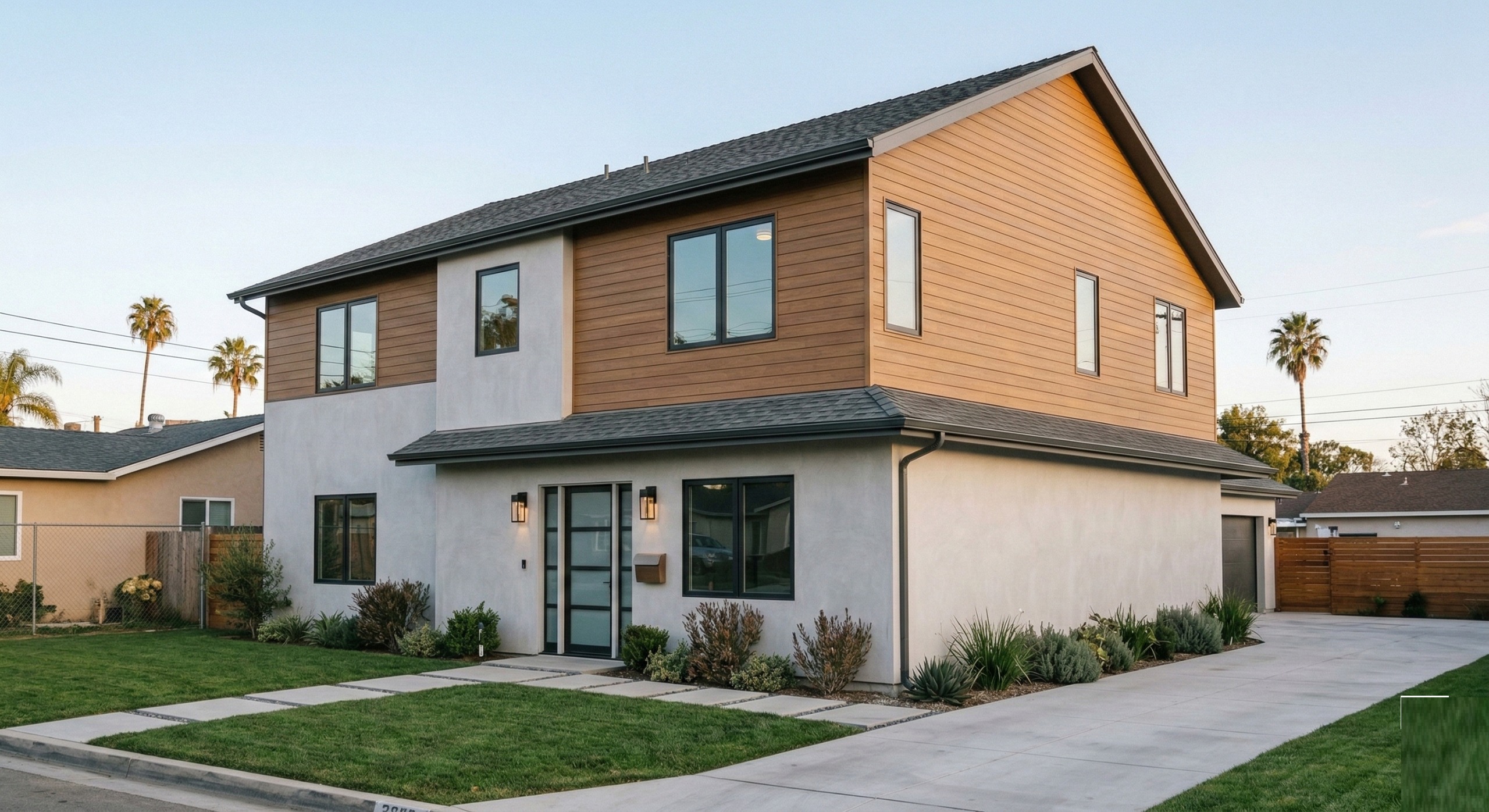
If restoration is included, we complete drywall, paint, trim, and flooring steps, then walk the space with you and close punch items.
What drives the cost of structural repairs
Access and visibility
If the repair area is difficult to reach, requires opening finished surfaces, or needs staged work, labor and restoration scope increase.
Extent of damage or movement
Small, localized repairs differ from issues that span multiple framing members or a larger section of the home. The more widespread the problem, the more scope is involved.
Temporary supports and sequencing
Some repairs require temporary shoring or support to complete the work safely. That adds labor, planning, and coordination.
Finish restoration requirements
Structural repairs often trigger restoration work. Drywall patching, texture matching, paint blending, trim touch-ups, and flooring repairs are real scope items that should be explicitly included or excluded.
Coordination needs (engineering and inspections)
If engineering input or inspections are required, that can affect both the plan and the schedule. It is better to plan around these early than discover them mid-project.
Need assistance?
Timeline drivers and scheduling realities
Structural repairs vary in timeline, but the same constraints show up often.
Engineering coordination (if required)
Inspection scheduling (if applicable)
Some scopes require permit or inspection checkpoints. Those become schedule anchors. Planning around them reduces downtime.
Material access and staging
Work in crawlspaces, tight framing bays, or areas with limited staging can slow pace. Safe access is not optional, and it impacts timeline.
Proof: structural repair examples
Project example 1
Floor stabilization with repair and restoration
-
1
What we did
Confirmed access and conditions, then completed structural reinforcement as scoped -
2
Coordinated temporary supports where needed for safe execution -
3
Restored affected finishes and closed out with a punch list walkthrough


Project example 2
Structural repair discovered during a remodel
-
1
What we did
Clarified scope once the area was opened and conditions were visible -
2
Sequenced the repair ahead of finish work to avoid rework -
3
Coordinated drywall and paint restoration for a clean closeout
Project example 3
Water-related structural repair with rebuild scope
-
1
What we did
Confirmed the handoff after drying and mitigation, then scoped the rebuild -
2
Coordinated framing repairs and finish restoration -
3
Completed punch list items and final walkthrough
Related services
Structural repairs often connect to larger scopes or restoration work. These pages may be relevant depending on what you are planning.
Areas we serve
Structural repairs are available across our core service area. Start with your local page for planning notes and common project types.What you can expect from HomeFREA
- Scope clarity from the start
You get a written scope with clear boundaries so you can compare bids and make decisions with fewer surprises. - Safety-first sequencing
Structural work is planned around safe access, temporary supports where needed, and proper sequencing before finishes are restored. - Finish restoration coordination
If restoration is included, we coordinate the downstream work so the home is put back together cleanly, not patched and left unfinished. - Predictable communication
You will know what is happening next, what decisions are needed, and what could affect schedule.
Frequently asked questions
You may need an engineer when a repair changes load paths, involves larger spans, or addresses significant movement. Some cases are straightforward reinforcement, while others require engineered guidance for safety and permitting. The right first step is usually photos and a site review so we can tell you if engineering coordination is likely.
Timeline depends on access, repair complexity, and whether engineering or inspections are involved. Some localized repairs can be completed quickly once scope is confirmed. Projects that require opening finished surfaces, coordinating additional trades, or restoring floors and drywall take longer because sequencing and drying times come into play.
If water intrusion occurred, drying and mitigation should be addressed first, then rebuild and restoration work can proceed once conditions are stable. After that handoff, we can scope structural repairs and the finish restoration needed to put the space back together.
Yes. Structural issues are often discovered during remodels when walls or floors are opened. The key is sequencing the repair before finish work to avoid rework and delays. If your plan spans multiple rooms or trades, a coordinated whole-home scope can keep the schedule cleaner.
Ready to get a structural repair estimate?
Send a short description of the issue, upload clear photos, and include your address or neighborhood. We will confirm scope, explain next steps, and let you know if engineering coordination is likely.