
Water Damage Repair
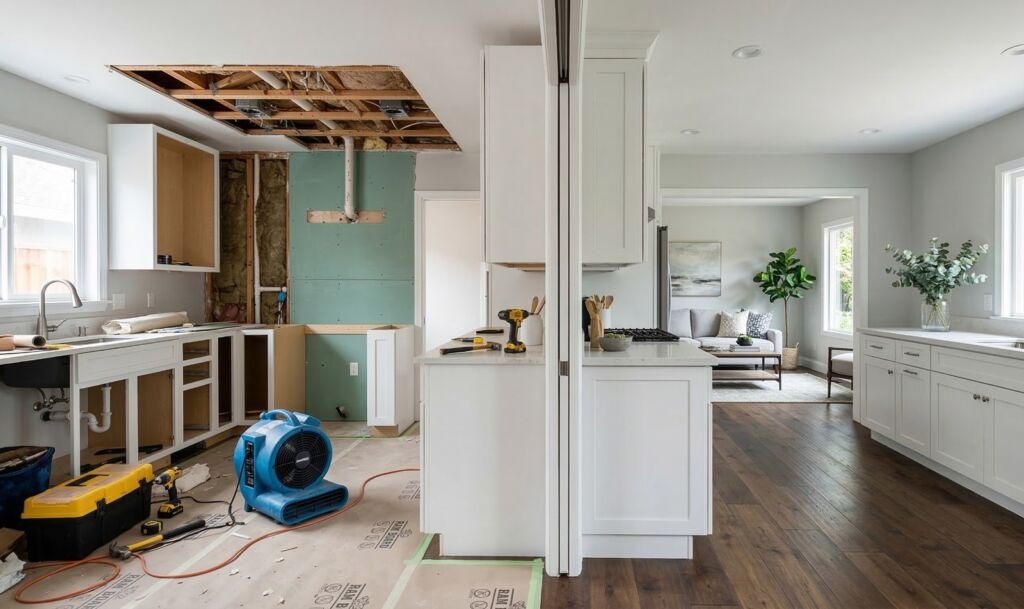
What to do first after water damage
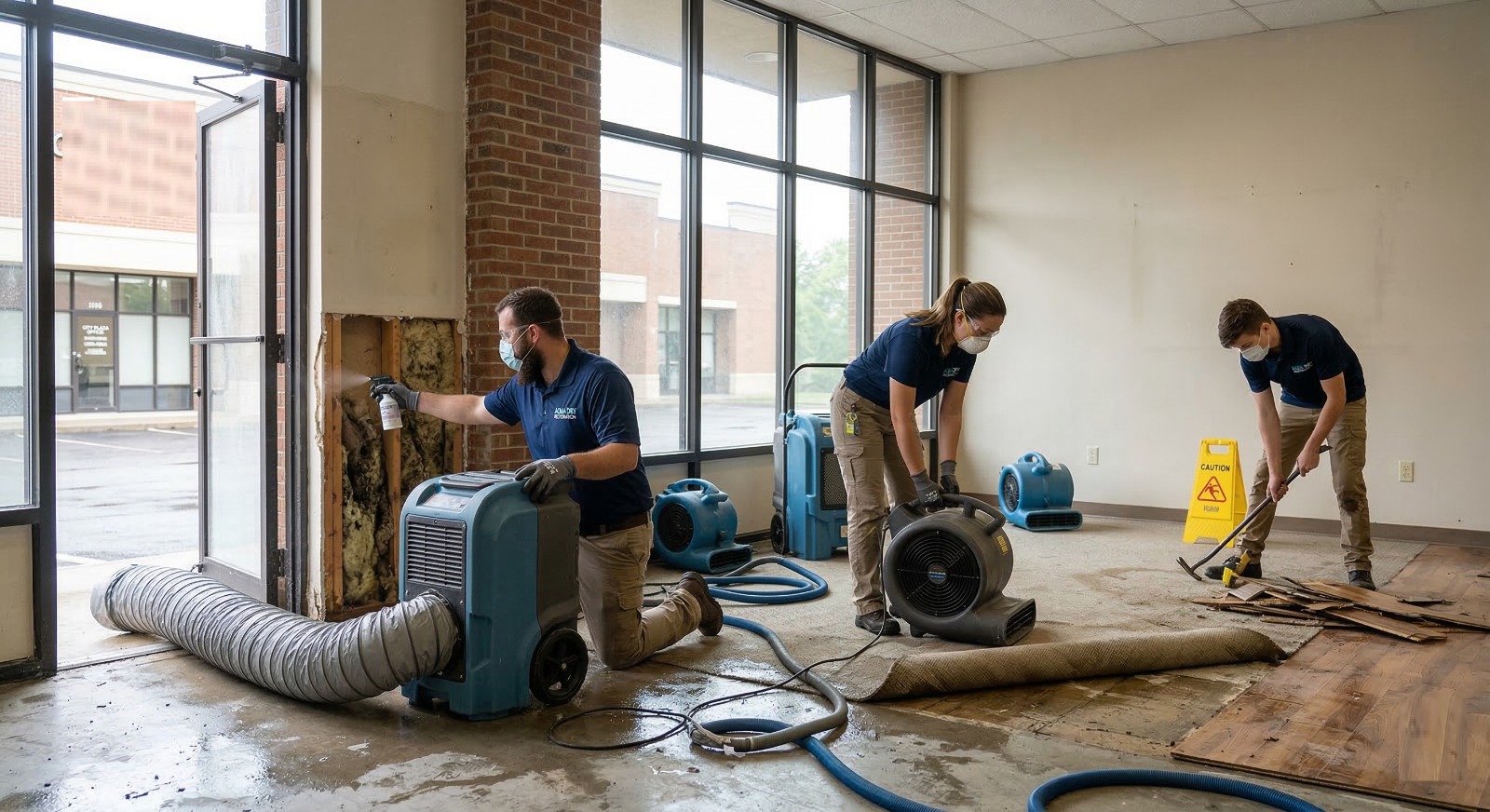
If you are dealing with active water or a wet interior, prioritize safety and containment first, then move toward drying and repair.
If you already have a mitigation company, we can coordinate the repair handoff once drying is complete. If you are not sure what you need next, start with an estimate request and include photos.
If water is near outlets, lighting, appliances, or electrical panels, treat it as a safety issue. Do not enter unsafe areas.
Photos help clarify affected areas and scope. Remove items that can be safely moved to limit secondary damage.
A repair plan is only reliable once moisture conditions are understood and the space is dry.
What’s typically included
- Selective demo of damaged materials as needed for access and restoration
- Removal and replacement of damaged drywall and related materials
- Drywall finishing and surface prep for a clean final finish
- Interior painting and blending as scoped
- Flooring repair or replacement coordination, including transitions as needed
- Trim and finish carpentry restoration where impacted
- Cleanup and punch list closeout so the space is complete
Related restoration services that often apply:
- Site visit and scope confirmation once conditions are visible and stable
- Sequencing across trades so rebuild steps do not conflict
- Material coordination for matching, lead times, and availability
- Final walkthrough and punch list closeout
Water damage projects go smoother when the handoff between mitigation and rebuild is clearly defined. Depending on what HomeFREA provides and what your situation requires, these items may be excluded or handled separately:
- Emergency mitigation and drying services (if not provided). We typically coordinate the rebuild after drying is complete and conditions are ready for restoration.
- Mold remediation protocols if a specialist is required (depends on conditions and scope)
- Repair of unrelated issues outside the defined affected area
- Permit fees or third-party requirements that vary by jurisdiction (should be documented clearly)
If the water event exposed structural issues, those repairs should be scoped clearly and sequenced before finish restoration.
When water damage repair is the right fit
Water damage repair is the right fit when the moisture event has been addressed or is being addressed, and you need the rebuild completed correctly. Common scenarios include:
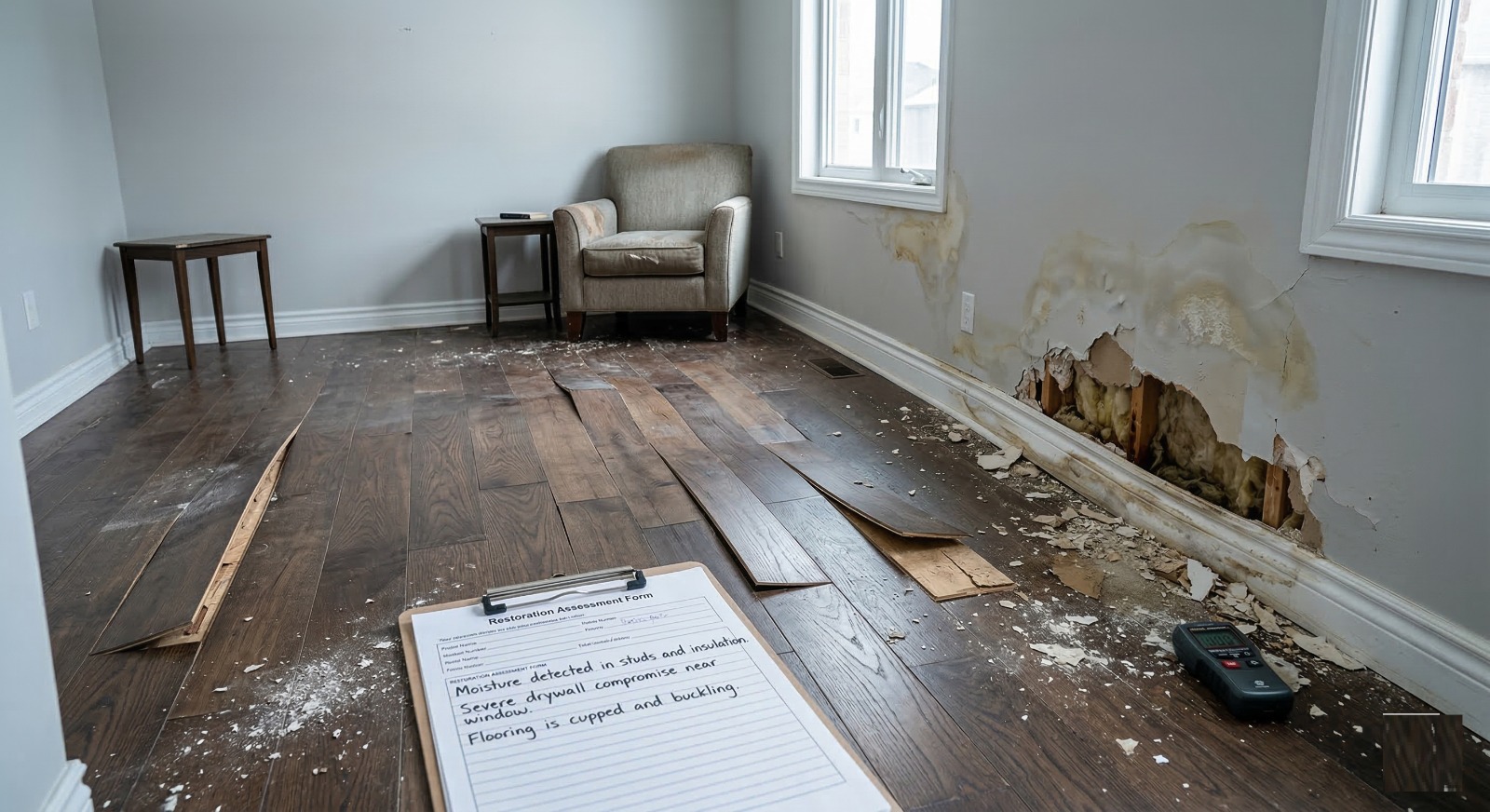
- Drywall, insulation, or trim that is soft, swollen, stained, or crumbling
- Flooring that is buckled, cupped, or delaminating
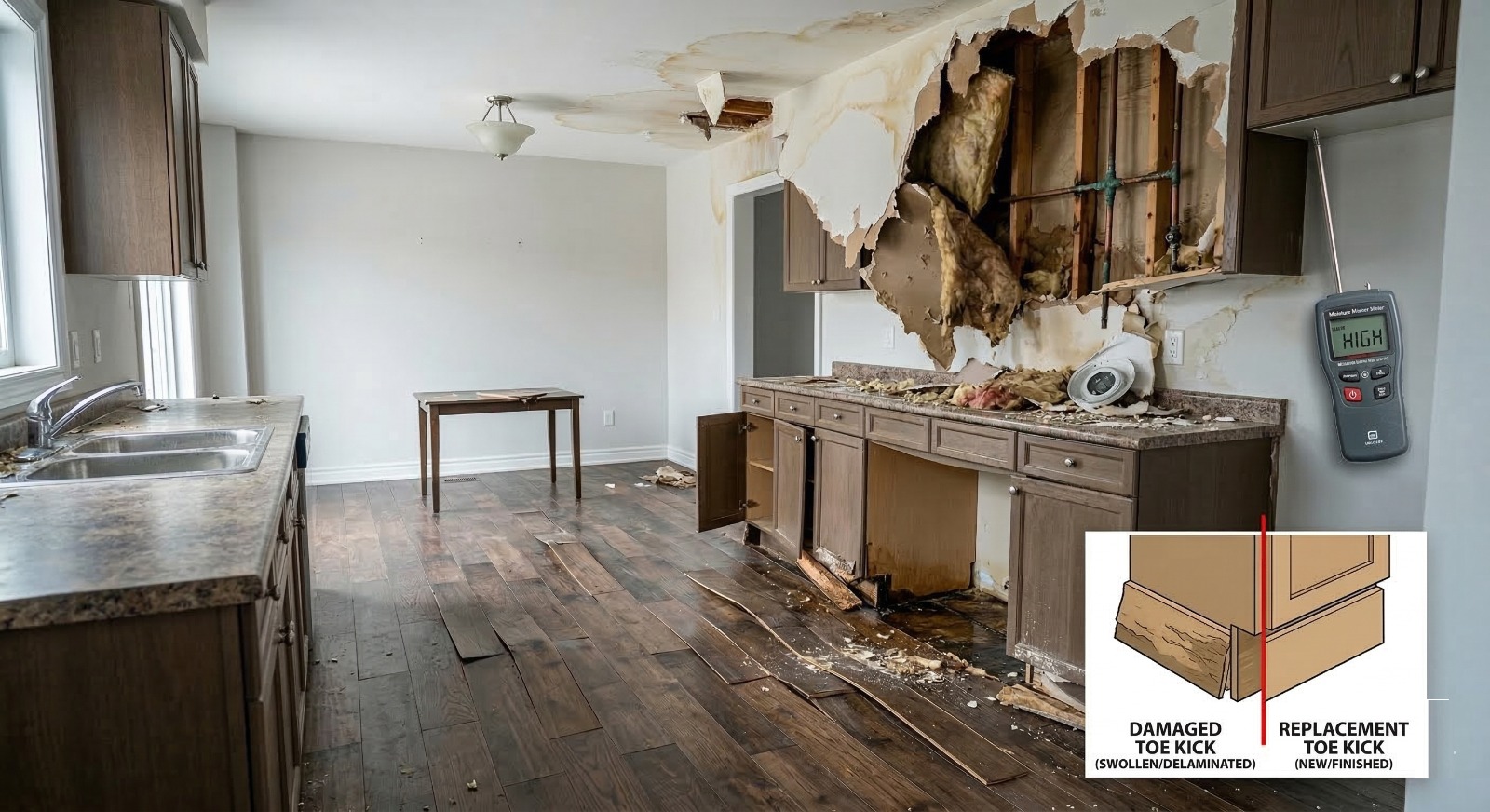
- A ceiling or wall that needs removal and restoration after a leak
- Cabinet bases or toe kicks that were compromised by water
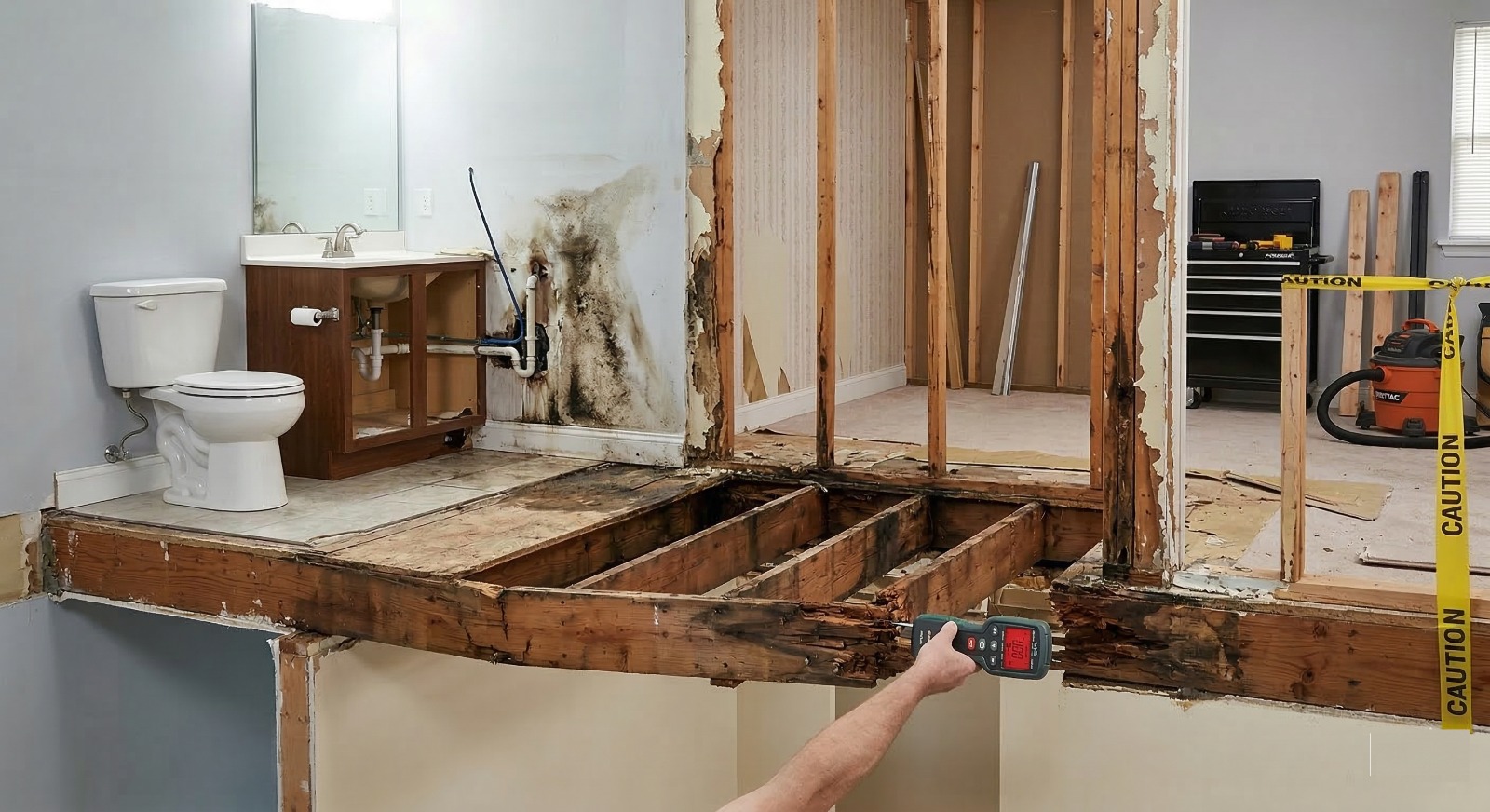
Kitchen and bath density
- A bathroom or kitchen leak that affected adjacent rooms
- Water intrusion that exposed framing issues once finishes were opened
If water has affected framing or the floor system, structural repair work may be part of the scope.
Rebuild sequencing that prevents repeat problems
Water damage repair is not just cosmetic. The sequence matters because moisture, substrates, and finish materials interact.
Before rebuild begins, the priority is confidence that the area is dry and stable. Rebuilding too early often leads to repeat repairs.
Demo should be limited to what is required for access and proper restoration, but it must be sufficient to verify conditions and remove compromised materials.
If framing, subflooring, or supports are affected, that work comes first. Flat, stable substrates make drywall finishing and flooring installation far more reliable.
Drywall finishing and painting can create dust and traffic. The schedule should protect final finishes and avoid unnecessary rework.
Trim, baseboards, casings, and final touch-ups should be completed at the end so the restored space looks consistent.
If your rebuild includes both wall restoration and flooring, these pages explain what typically drives scope and timing:
How it works
Request an estimate
Send a short description, photos, and your address or neighborhood. If drying is in progress, note the stage you are in.
Site visit and scope definition
We confirm what was affected, what needs to be opened for repair, and what finish restoration is required. This is where we define scope boundaries clearly.
Proposal and rebuild plan
You receive a written scope with inclusions, exclusions, and assumptions. If the plan depends on material matching or inspection needs, we call that out early.
Schedule and sequencing
We coordinate drywall, paint, flooring, and finish work in the correct order so the rebuild moves forward without finish damage and avoidable rework.
Walkthrough and punch list closeout
We review the completed work with you, document final items, and close them out so the space is fully restored.
What drives water damage repair cost
Water damage repair costs depend on how far the water traveled and what materials were affected. The biggest cost drivers tend to be:
Affected area size and spread
A small localized leak is different from water that migrated under flooring, into multiple rooms, or down into a level below. More spread usually means more demo, more repair surfaces, and more restoration scope.
Hidden damage discovered after opening
Water often affects materials behind finishes. Once walls or floors are opened, scope may expand to address what is actually compromised. Clear assumptions help keep this manageable.
Mold protocols and specialty remediation (if applicable)
If mold is present or suspected, the work may require specific containment and remediation steps before rebuild. This can affect both cost and schedule.
Material matching and finish continuity
Matching flooring, paint, texture, trim profiles, and cabinet finishes can be a major variable. Some materials are easy to blend. Others require broader replacement for a consistent look.
Structural impact
If framing or the floor system is affected, repairs should be completed before cosmetic restoration.
Need assistance?
Timeline drivers and scheduling realities
The schedule for water damage repair is heavily influenced by readiness to rebuild and the availability of matching materials.
Drying and clearance timing
Rebuild should not start until drying is complete and the space is ready. This is often the single biggest timeline driver.
Material matching and lead times
Flooring, trim, and specialty finishes can extend timelines if they are special order or if matching requires specific product availability.
Inspections (if required)
Some scopes require permit or inspection checkpoints, depending on what is being repaired or modified. When applicable, inspections become schedule anchors.
Sequencing across trades
Drywall finishing and painting require drying time and multiple steps. Flooring installation may require acclimation and substrate prep. Coordinating these steps correctly prevents rework and protects final finishes.
water damage repair examples
Project example 1
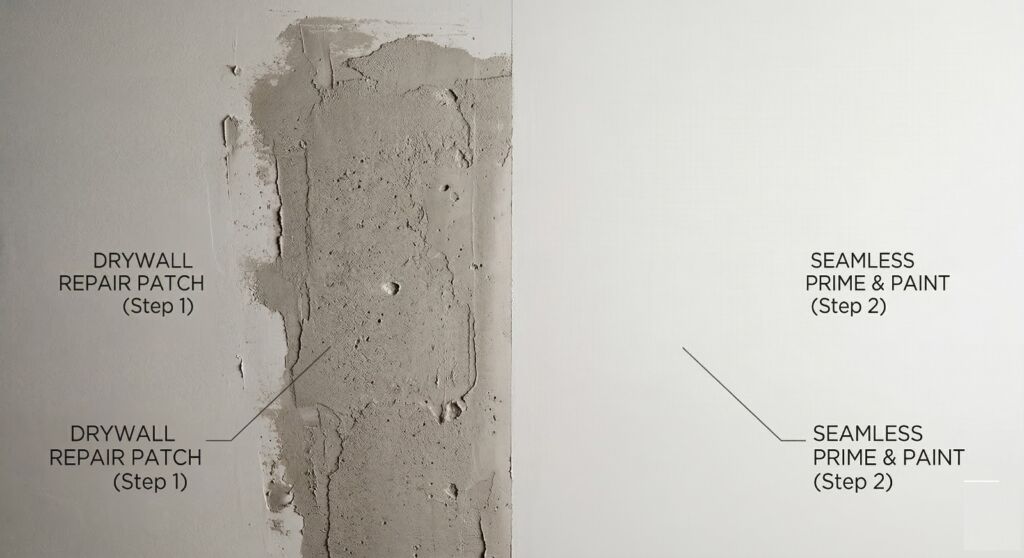
Ceiling leak restoration with full finish recovery
-
1
What we did
Removed damaged ceiling materials and restored drywall finish -
2
Coordinated priming and paint blending for a consistent final look -
3
Closed out with a walkthrough and punch list process

Project example 2
Flooring damage repair with clean transitions
-
1
What we did
Scoped the affected flooring area and confirmed transition strategy -
2
Coordinated installation timing with wall restoration steps -
3
Finished with trim and touch-ups for a complete closeout
Project example 3
Water event that revealed structural needs
-
1
What we did
Confirmed the condition of framing and supports once surfaces were opened -
2
Completed structural repair scope before restoring finishes -
3
Rebuilt drywall, paint, and finish details for a consistent final space
Related services
Water damage repair often overlaps with these services, depending on what the water affected.
Areas we serve
Water damage repair is available across our core service area. Start with your local page for planning notes and common project types.
What you can expect from HomeFREA
- Clear scope and documented boundaries so you can compare options and avoid surprises
- Sequencing that respects drying and rebuild readiness so finishes are not installed too early
- Coordinated restoration across trades including drywall, paint, flooring, and trim as scoped
- Jobsite protection and cleanup as part of the routine
- Communication cadence so you know what is next and what decisions keep things moving
Frequently asked questions
Start by stopping the source if it is safe, then prioritize electrical safety. Take photos and remove items you can safely move. Drying and mitigation come before repair. Once the space is dry and stable, a rebuild plan can be scoped accurately for drywall, paint, flooring, and any affected structure.
Water damage repair usually starts after drying is complete. If you already have a mitigation company, we can coordinate the handoff into rebuild and restoration. If you are unsure what stage you are in, share photos and a short description and we will tell you what information we need to scope the repair correctly.
The biggest drivers are how far the water spread, how much material must be removed for access, and what is discovered once areas are opened. Material matching can also change scope, especially for flooring, texture, and trim. If mold protocols are required, that can affect both cost and schedule.
Once the space is ready for rebuild, timing depends on how much drywall finishing is required, paint schedule, and flooring scope. Some projects are straightforward. Others take longer due to material matching, acclimation, or the need to sequence multiple trades. After scope is confirmed, we provide a realistic timeline range.
It depends on the material and what can be matched. Some paint and drywall textures can be blended effectively. Flooring, trim profiles, and certain finishes may require a broader replacement zone to look consistent. We will talk through the tradeoffs so the final result looks intentional, not patched.
If framing, supports, or subflooring are compromised, those repairs should be completed before finish restoration. Structural work may add steps, but it prevents repeat issues and protects long-term performance. We scope the structural portion clearly and then coordinate restoration work afterward.
Yes, when the repair overlaps with kitchen or bathroom components, the scope needs careful sequencing. Cabinet bases, tile, plumbing rough-ins, and flooring tie-ins can affect the rebuild plan. We coordinate the order of work so the space is restored cleanly and finishes land correctly.
Ready to start the repair?
Send a short description of what happened, upload clear photos, and include your address or neighborhood. We will confirm scope, define the rebuild sequence, and outline the next step for an estimate.