
Kitchen Remodeling
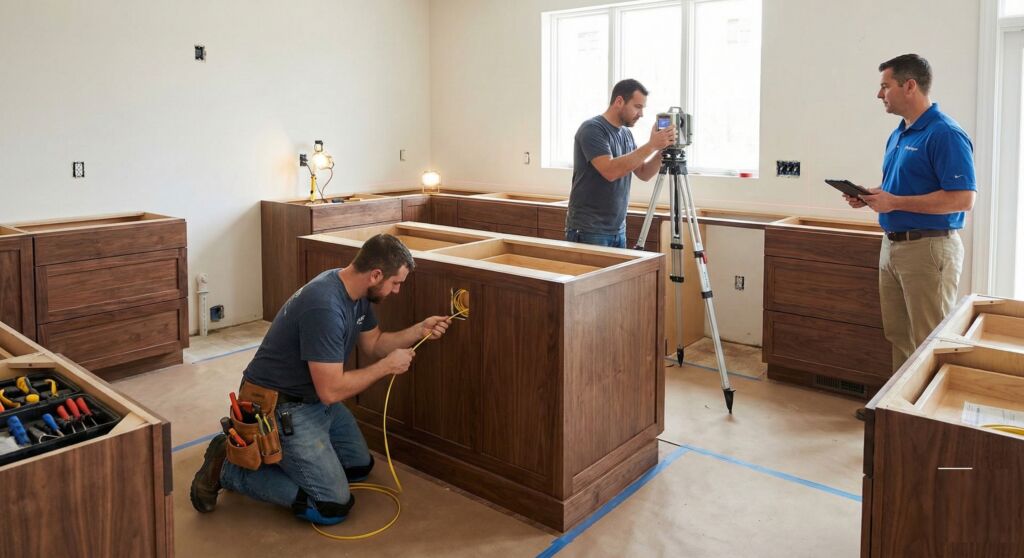
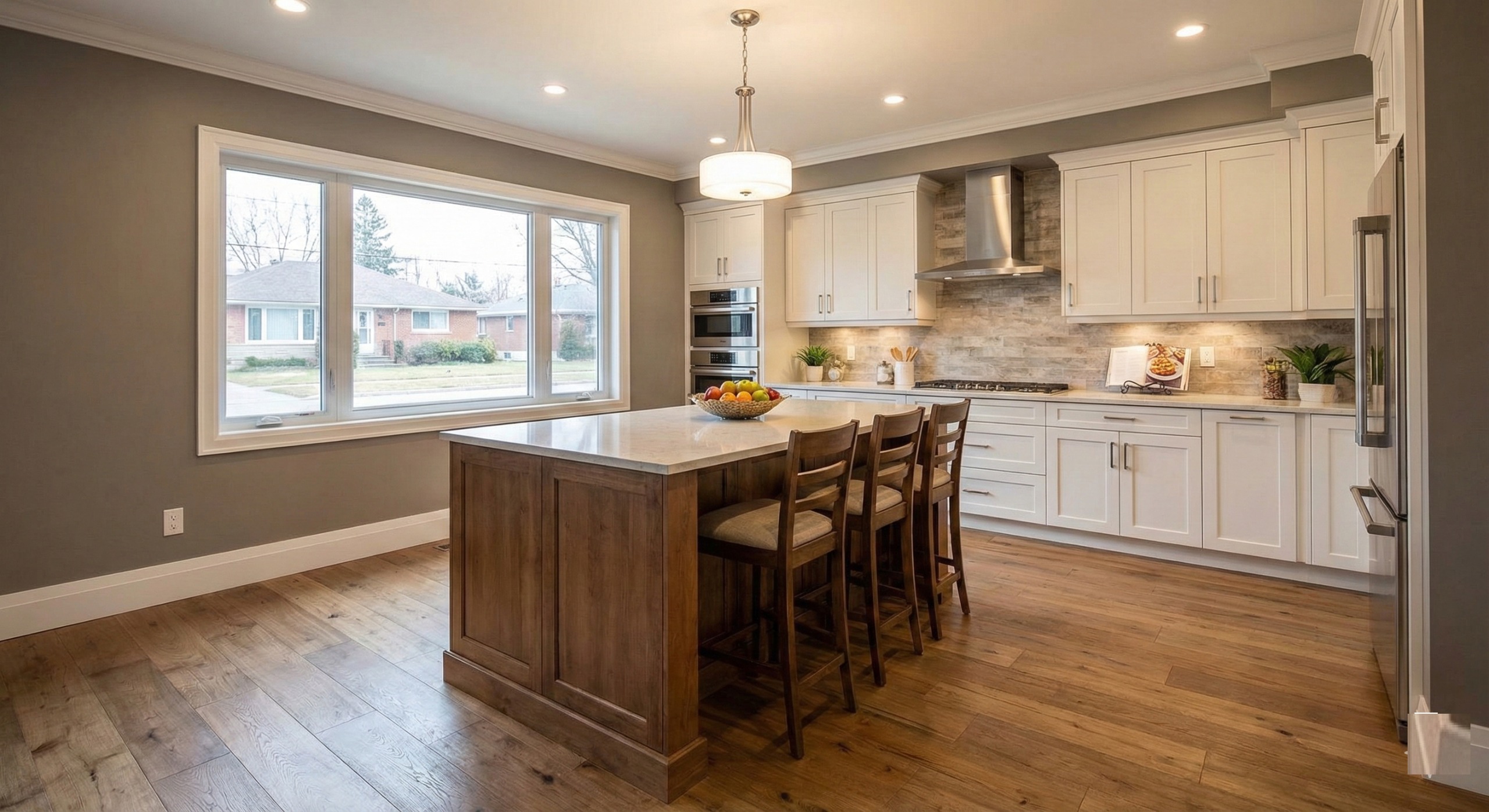
A kitchen remodel is one of the highest-impact upgrades you can make, but it is also one of the easiest projects to derail if sequencing is sloppy. Cabinet delivery, countertop templating, electrical and plumbing moves, and backsplash timing all depend on each other. HomeFREA runs kitchen remodeling with clear scope, practical scheduling, and one point of coordination across trades. We protect adjacent spaces, keep communication predictable, and close out punch items so the project finishes cleanly.
When kitchen remodeling is the right fit
Kitchen remodeling is a good fit when you want to improve function, update finishes, or fix layout issues that have been living with you for years. Common goals include:
If your kitchen is part of a larger multi-room plan, a whole-home scope may be the right starting point.
- Replacing worn cabinets and improving storage
- Upgrading countertops and surfaces for durability and day-to-day usability
- Improving lighting and outlets to match how you cook and host
- Adjusting layout for better flow, including an island change or reworking the sink location
- Updating flooring and tying it cleanly into adjacent rooms
- Refreshing paint, trim, and finish details so the space feels consistent
What’s typically included
Every kitchen is scoped to the home and goals, but these are common inclusions in kitchen remodeling work.
- Site visit and scope confirmation
- Sequencing across trades and key dependencies
- Selection timing guidance so lead times are handled early
- Walkthrough and punch list closeout
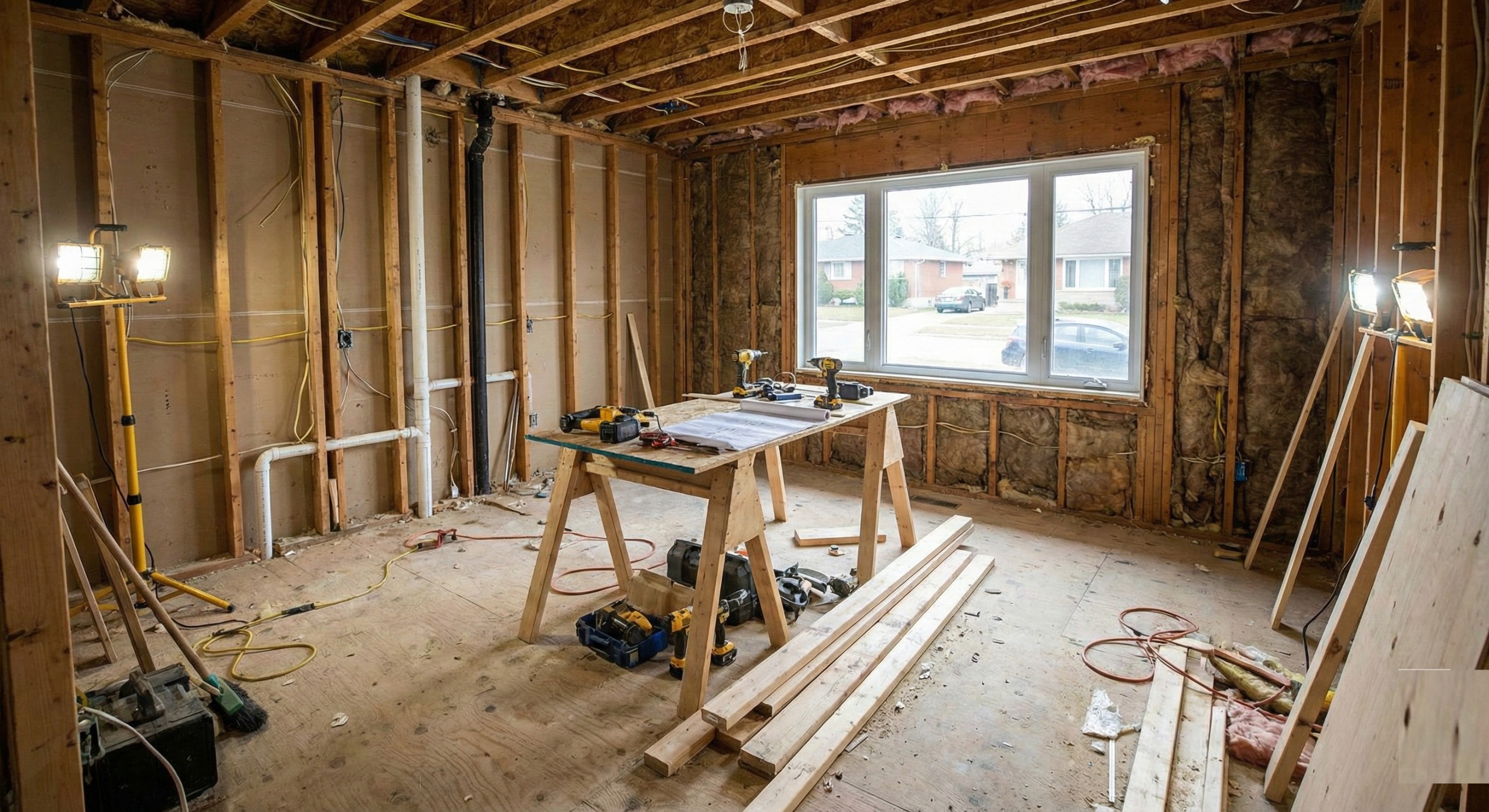
- Selective demo and jobsite protection
- Rough-in coordination at a high level (electrical and plumbing as required by scope)
- Cabinet installation coordination
- Countertop coordination, including templating timing once cabinets are set
- Tile backsplash coordination
- Flooring tie-in and transitions as scoped
- Drywall repair and interior painting where needed
- Final fixture setting and finish details as scoped
- Cleanup and closeout
Related services that commonly appear within kitchen scopes:
Kitchen quotes are hard to compare if the boundaries are fuzzy. Depending on your project, the following may be excluded or handled separately. The key is to have it documented clearly.
- Architectural design or stamped engineering (if required for structural changes)
- Specialty appliance packages beyond the defined scope
- Unknown conditions behind walls or under floors that cannot be verified until demo
- Work outside the kitchen footprint unless explicitly included
- Permit fees or third-party requirements that vary by jurisdiction (should be listed clearly)
If the kitchen remodel is paired with structural changes, review scope boundaries here:
Structural Repairs
Options that shape your scope
Kitchen remodeling gets easier when the big decisions are made early enough to support scheduling and budgeting.
Layout changes
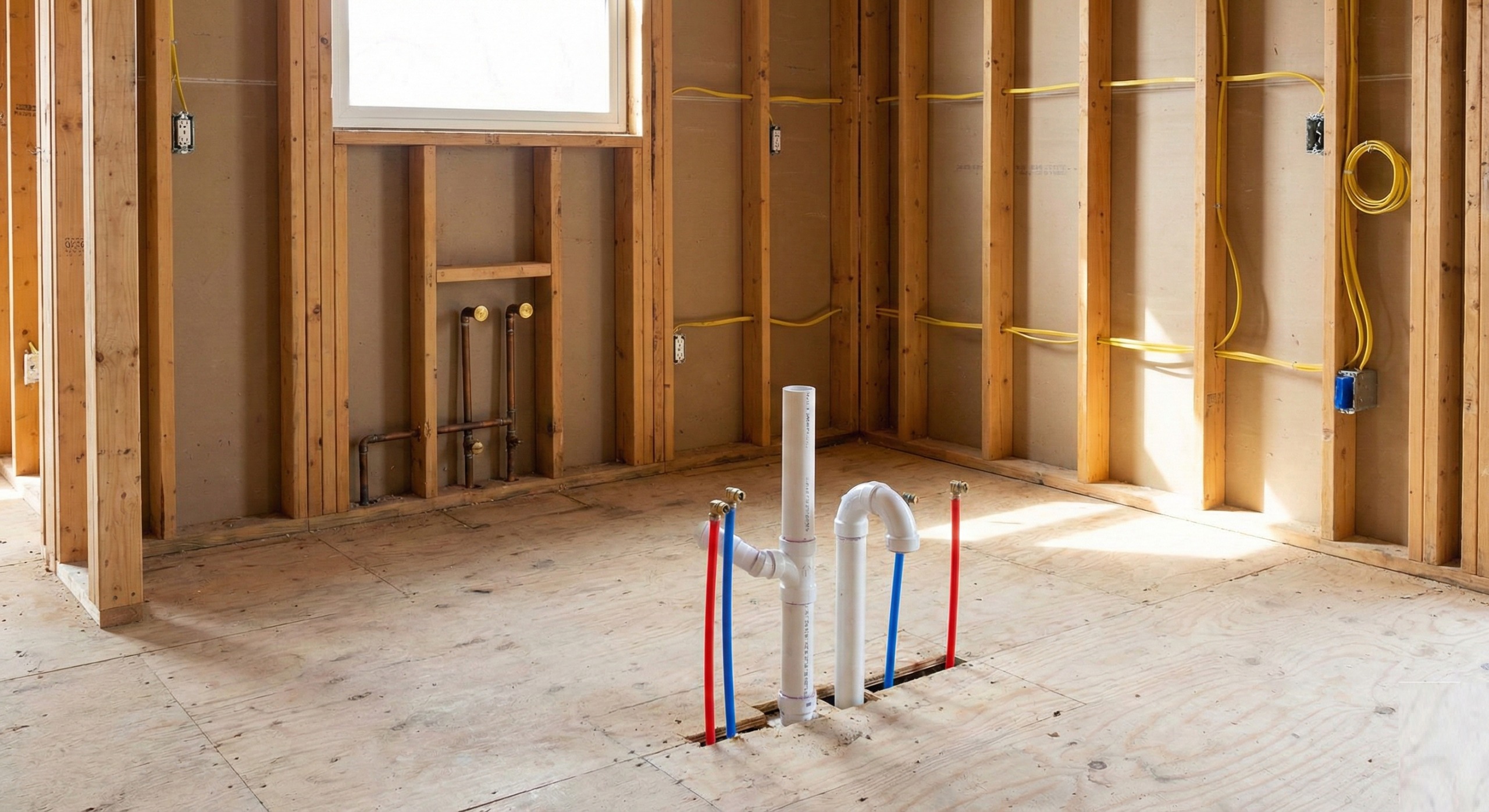
Moving a sink, range, or wall changes the rough-in plan and can affect inspection needs. Layout changes are absolutely doable, but they should be locked before cabinets are ordered.
Island changes
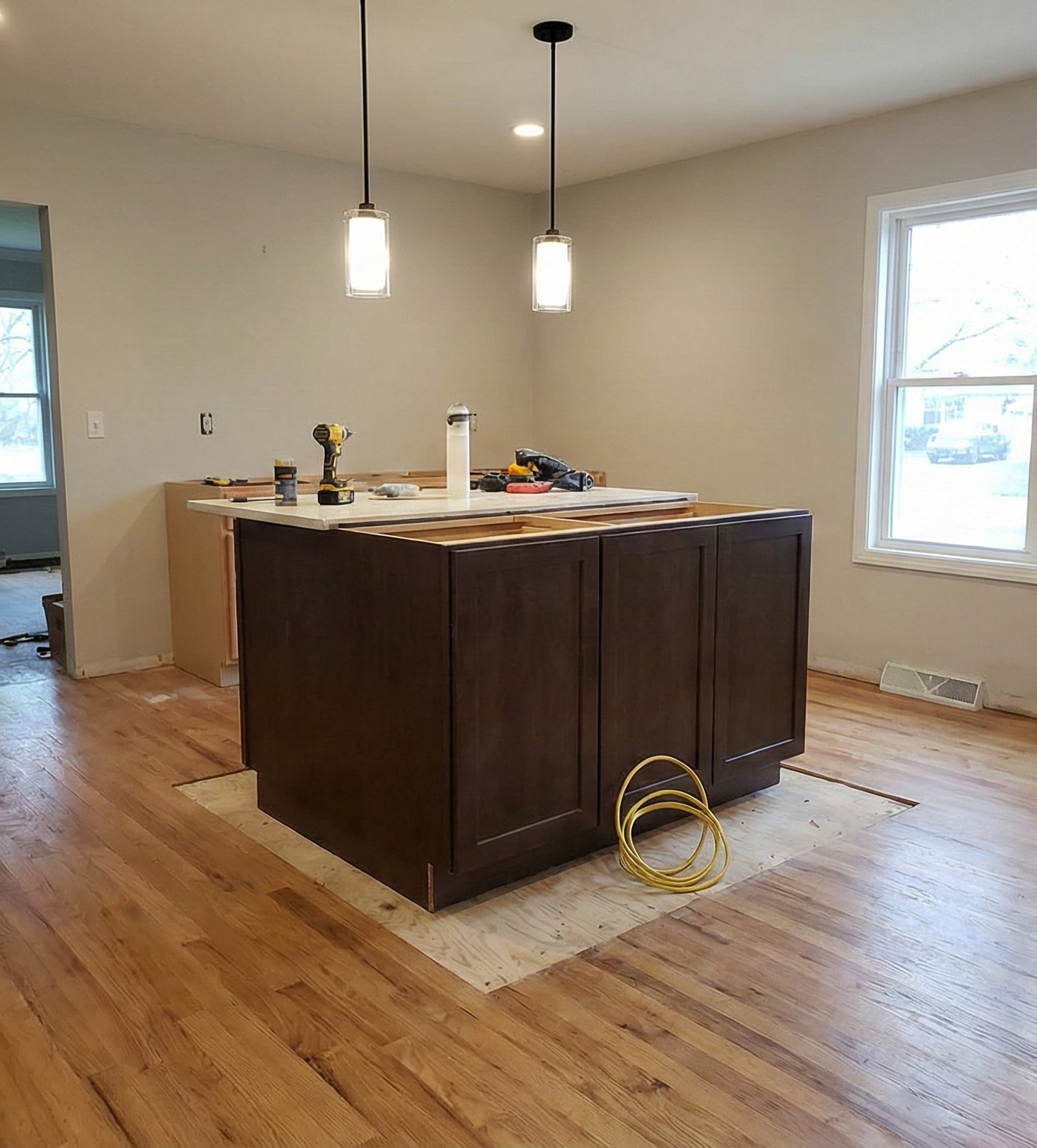
Islands affect electrical, plumbing (in some layouts), and circulation. Even when the island stays in place, changing its size can impact flooring, lighting placement, and seating clearance.
Cabinets: refacing vs. replacement
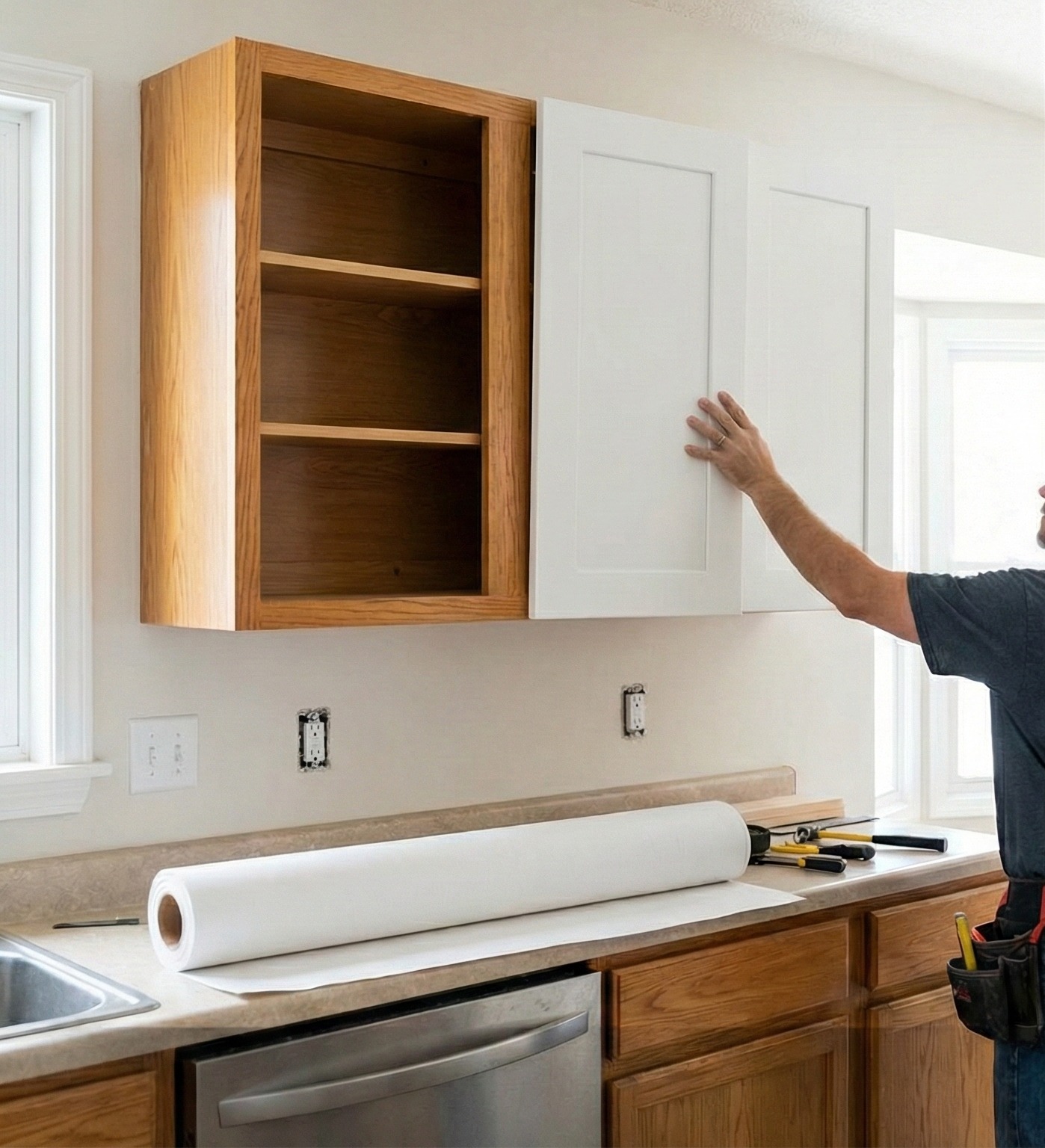
Some homeowners explore refacing, while others choose a full replacement. The right option depends on cabinet condition, layout goals, and how much improvement you want in storage and function. During scoping, we help you evaluate the practical pros and cons so you do not pay twice.
Countertops and backsplash planning
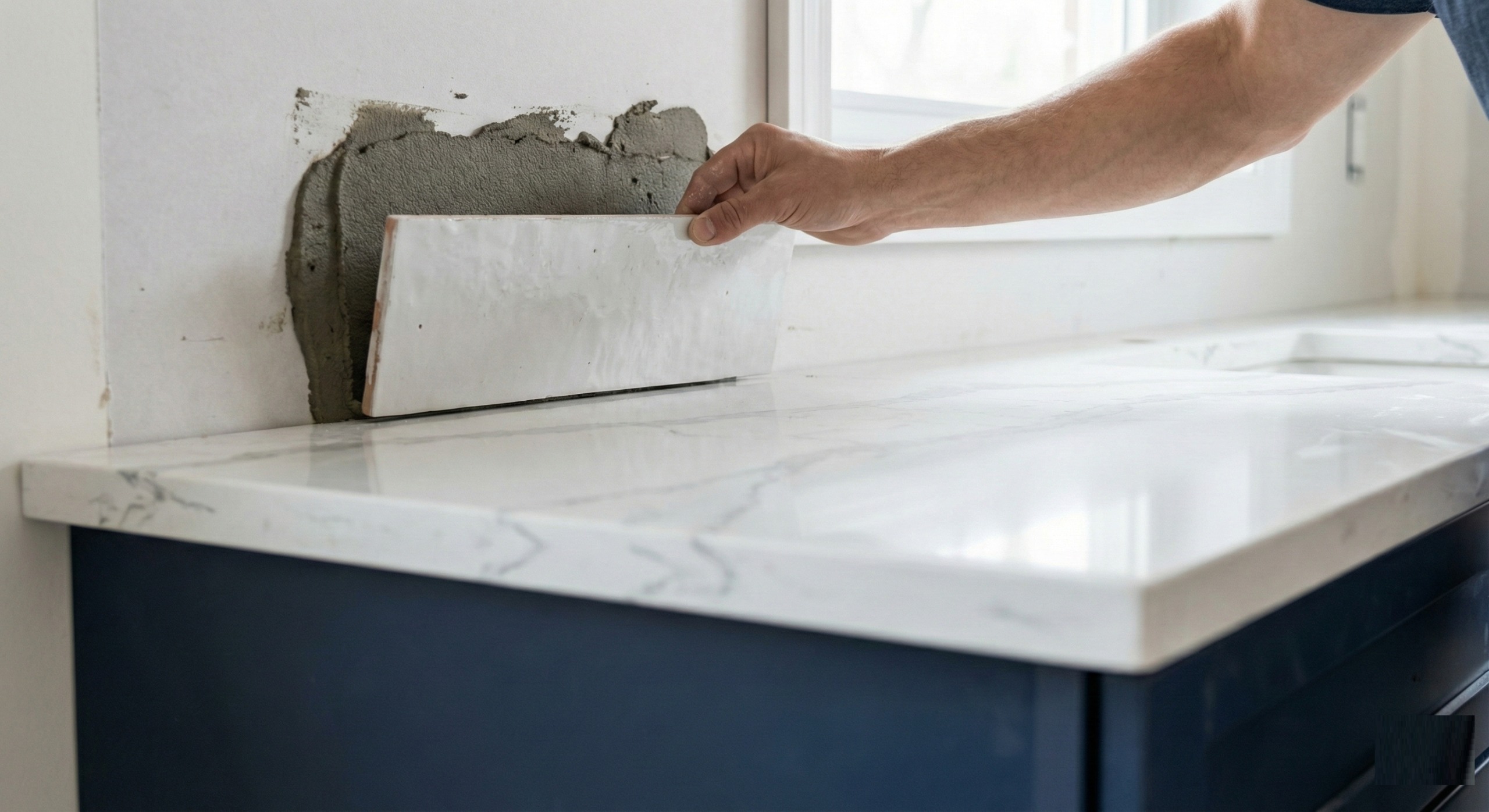
Countertops follow cabinet installation. Backsplash follows countertop installation. That sounds simple, but it drives how quickly the job can move. Choosing materials early helps avoid schedule gaps.
If cabinets are central to your scope, start here for installation considerations and sequencing.
How it works
Kitchen remodels run best when the process is repeatable and expectations are clear.
Request an estimate
Send a short description, photos, and your rough timeline. Include your address or neighborhood.
Site visit and scope definition
We confirm existing conditions, talk through layout goals, and identify any constraints that affect sequencing. This is where we clarify what stays and what changes.
Proposal and selections plan
You receive a written scope. We flag key selections that affect lead times, especially cabinets, countertops, tile, and fixtures.
Scheduling and trade sequencing
We coordinate the trade flow in the right order so rough-ins, cabinets, counters, tile, and finishing work do not overlap incorrectly.
Build, walkthrough, punch list closeout
We complete the remodel, walk the space with you, document final items, and close them out so the kitchen is truly finished.
What drives kitchen remodeling cost
Kitchen remodel pricing depends on scope, complexity, and finish level. The biggest cost drivers are usually:
Layout changes and moves
Moving plumbing and electrical locations, changing wall positions, or reworking venting can increase labor and coordination needs.
Cabinets
Cabinets are often the single largest line item. Cost is driven by cabinet volume, layout complexity, door style, and any specialty storage components. Wall conditions can also affect install complexity.
Countertops
Material choice and the amount of templating complexity can shift price. Edges, cutouts, seams, and layout all matter.
Electrical and plumbing changes (as required by scope)
Even when the goal is straightforward, moving outlets, adding lighting, relocating a sink, or adjusting supply and drain lines changes scope quickly.
Finish level and details
Backsplash tile pattern complexity, flooring transitions, trim details, and paint prep can increase labor time. The more defined the finish package, the more predictable the estimate becomes. If you want deeper detail on specific cost drivers, these pages are useful references:
Need assistance?
Timeline drivers and scheduling realities
Most kitchen timeline problems come from late decisions or mismatched sequencing. These are the most common drivers.
Cabinet and countertop lead times
Cabinets and countertops can be critical-path items. If cabinet delivery moves, everything behind it moves. Countertops also require templating after cabinets are set, then fabrication, then install.
Inspections and rough-in checkpoints
If your scope requires permits or inspections, rough-in and final checks become schedule anchors. Planning around these checkpoints prevents downtime.
Selection timing
Tile, fixtures, lighting, and hardware decisions may seem small, but they can stall a project if they are not chosen when needed.
Flooring tie-ins
If flooring runs through the kitchen into nearby spaces, sequencing matters. Flooring, cabinets, and trim can conflict if timing is off. We plan that flow so transitions stay clean. If your kitchen is part of a broader interior schedule, whole-home sequencing may be relevant.
Proof: kitchen project examples
Project example 1
Kitchen refresh focused on cabinets and countertop timing
-
1
What we did
Coordinated cabinet install with countertop templating and install windows -
2
Sequenced backsplash tile after countertop install for clean transitions -
3
Closed out with a punch list focused on finish details
Project example 2
Layout update with improved lighting and workflow
-
1
What we did
Confirmed layout changes and rough-in needs before ordering key materials -
2
Coordinated trade sequencing to avoid rework between rough-ins and finishes -
3
Finished with touch-ups and a final walkthrough
Project example 3
Kitchen tied into adjacent flooring and finish work
-
1
What we did
Planned flooring tie-ins and transitions before cabinet installation -
2
Coordinated drywall, paint, trim, and punch work for a clean closeout -
3
Delivered a consistent finish across connected spaces
Related services
Kitchen scopes often overlap with these services. If one category is driving your scope, start there.
Areas we serve
Kitchen remodeling is available across our core service area. Start with your local page for planning notes and common project types.
What you can expect from HomeFREA
Kitchen remodeling is smoother when the fundamentals stay consistent.
- Scope clarity up front: inclusions, exclusions, and assumptions are documented so you can compare bids and avoid surprises.
- Sequencing across trades: rough-ins, cabinets, counters, tile, paint, and punch work are scheduled in the right order.
- Jobsite protection and cleanliness: adjacent areas are protected and cleanup is part of the routine.
- Communication cadence: you know what is happening next and what decisions are needed to keep the schedule moving.
Frequently asked questions
Timeline depends on scope and lead times. Cabinet delivery, countertop fabrication, and selection timing often drive the schedule more than the on-site labor. If permits or inspections are required, those checkpoints can also affect timing. After scope is confirmed, we provide a realistic range and explain the items most likely to extend it.
Cabinets, layout changes, and countertops are typically the biggest drivers. Electrical and plumbing moves can also add scope quickly, especially when islands or sink locations change. Finish level matters too, including tile complexity, flooring transitions, and the amount of paint prep needed for clean results.
The most important items are the layout decisions and the lead-time materials, especially cabinets and the countertop plan. It also helps to have tile direction, fixture selections, and key lighting decisions made early. Clear decisions upfront keep the project moving and reduce the risk of schedule gaps midstream.
If your scope requires permits or inspections, we coordinate the process as part of planning. Requirements depend on what is changing, such as moving plumbing, electrical changes, or structural work. We flag likely permit needs early so they are not a surprise and schedule expectations remain realistic.
Scope changes happen, but they should be documented before work proceeds. When you want to add or revise scope, we outline what changes, what it costs, and how it affects the schedule. That keeps expectations clear and helps protect sequencing across trades, especially once cabinets and counters are in motion.
Sometimes, but it depends on scope and phasing. Many kitchens are not fully usable during demo, rough-ins, and cabinet installation. If the home is occupied, we can talk through practical ways to reduce disruption, such as setting up a temporary cooking area and sequencing work to keep access predictable.
Cabinets must be installed, leveled, and secured before countertops can be templated. Once countertops are installed, the backsplash can be tiled to meet the finished surface cleanly. We plan that sequence from the start and align it with material lead times so the project does not stall between steps.
Ready to plan your kitchen remodel?
Send a short description of what you want to change, upload a few photos, and include your rough timeline. We will confirm scope, flag the decisions that affect schedule, and outline the next step for an estimate.