
Home Additions
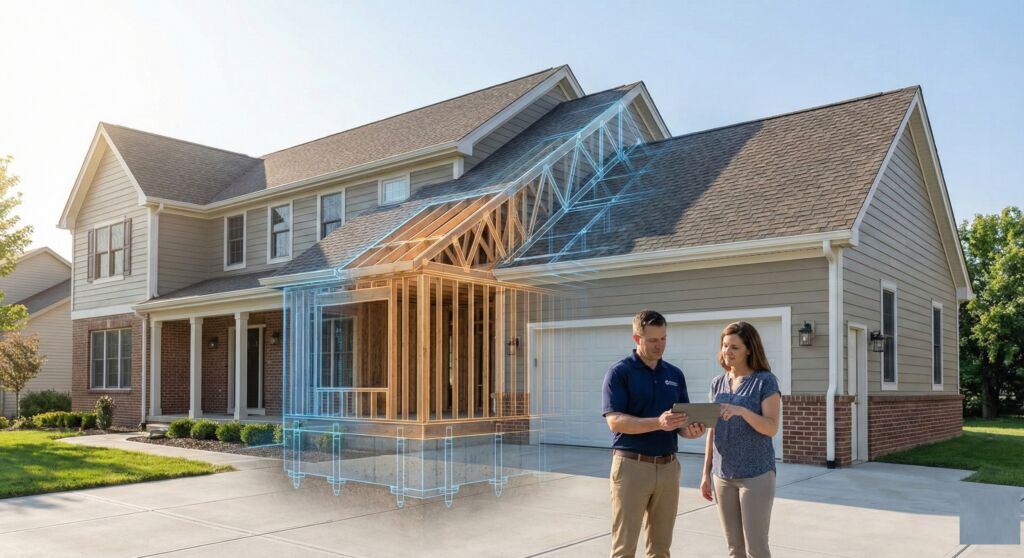
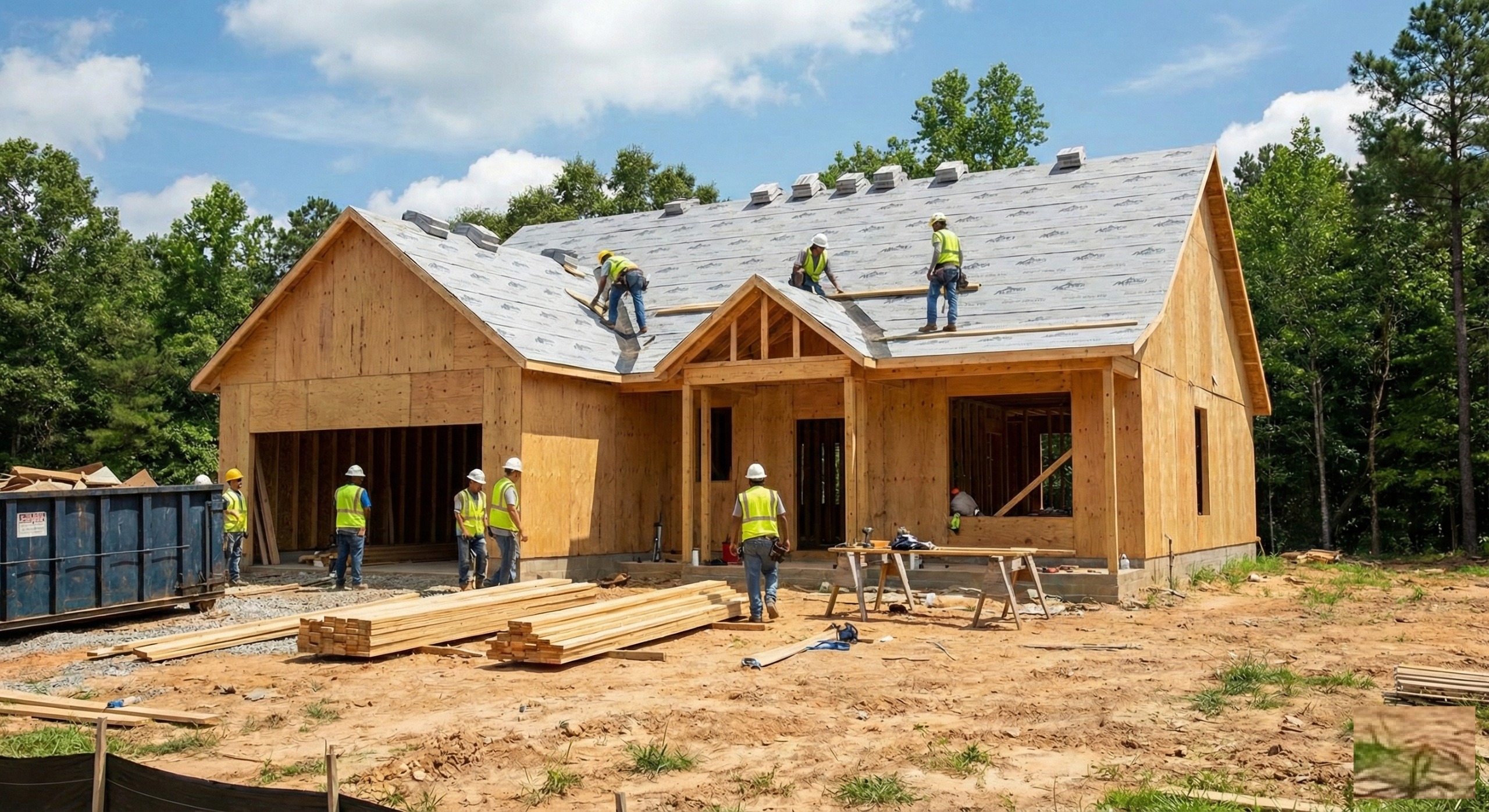
Adding space sounds straightforward until you get into the details. Tie-ins to the existing home, inspection steps, material lead times, and trade sequencing can make or break the experience. HomeFREA builds home additions with clear scope, realistic scheduling, and one point of accountability. We coordinate the trades from foundation and framing through exterior integration and interior finishes, then close out punch items so the project ends cleanly.
About renovation
When a home addition is the right fit
A home addition is a strong fit when you like your location and want more usable space without relocating. Homeowners typically consider an addition when they need:
If your goal is to update multiple rooms rather than add square footage, a whole-home scope may be a better starting point.
- A new bedroom, office, or flex room
- A larger living area, kitchen expansion, or better flow
- More storage and functional space that matches the existing home
- A way to improve long-term livability without repeating small remodels over time
What’s typically included
Every addition is scoped to the home and goals, but these items are commonly included in home addition projects.
- Site visit and scope confirmation
- Trade sequencing and schedule planning
- Coordination of inspection checkpoints when required
- Material timing and lead-time planning
- Walkthrough and punch list closeout
- Foundation and framing coordination
- Exterior tie-in and weatherproof integration
- Rough-in coordination as needed (high level)
- Drywall, interior painting, and finish work
- Flooring installation and transitions
- Interior doors and trim (as applicable)
- Final touch-ups and punch list completion
Related finish services that often appear within an addition scope:
Home addition estimates are easier to compare when exclusions and assumptions are explicit. Depending on your project, the following may be excluded or handled separately.
- Architectural design or stamped engineering (if needed)
- Sitework outside the defined scope
- Specialty systems not tied to the addition scope
- Unknown conditions that cannot be verified until areas are opened
- Permit fees or third-party requirements that vary by project (define clearly in the proposal)
If structural concerns are part of the tie-in or existing conditions, review: Structural Repairs
Options to consider before scoping
The right addition depends on how you want to use the space and how it connects to the existing home. These are the most common decision points that affect both price and timeline.
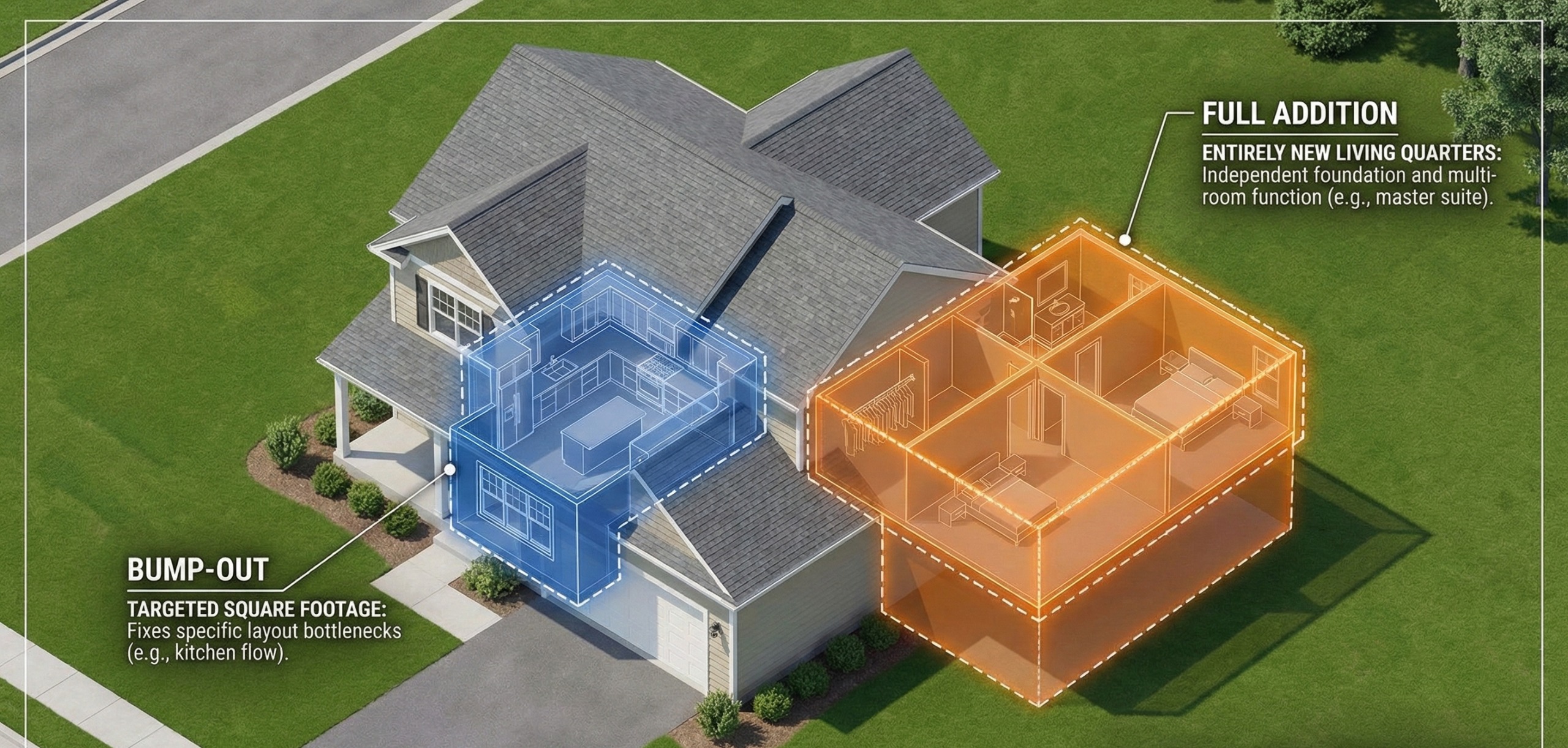
Bump-outs vs. full additions
- Bump-outs can be a good fit when you need targeted space, such as expanding a kitchen footprint or creating room for better layout.
- Full additions are better when you need a fully new room or multi-room expansion that functions like original square footage.
Finishing levels
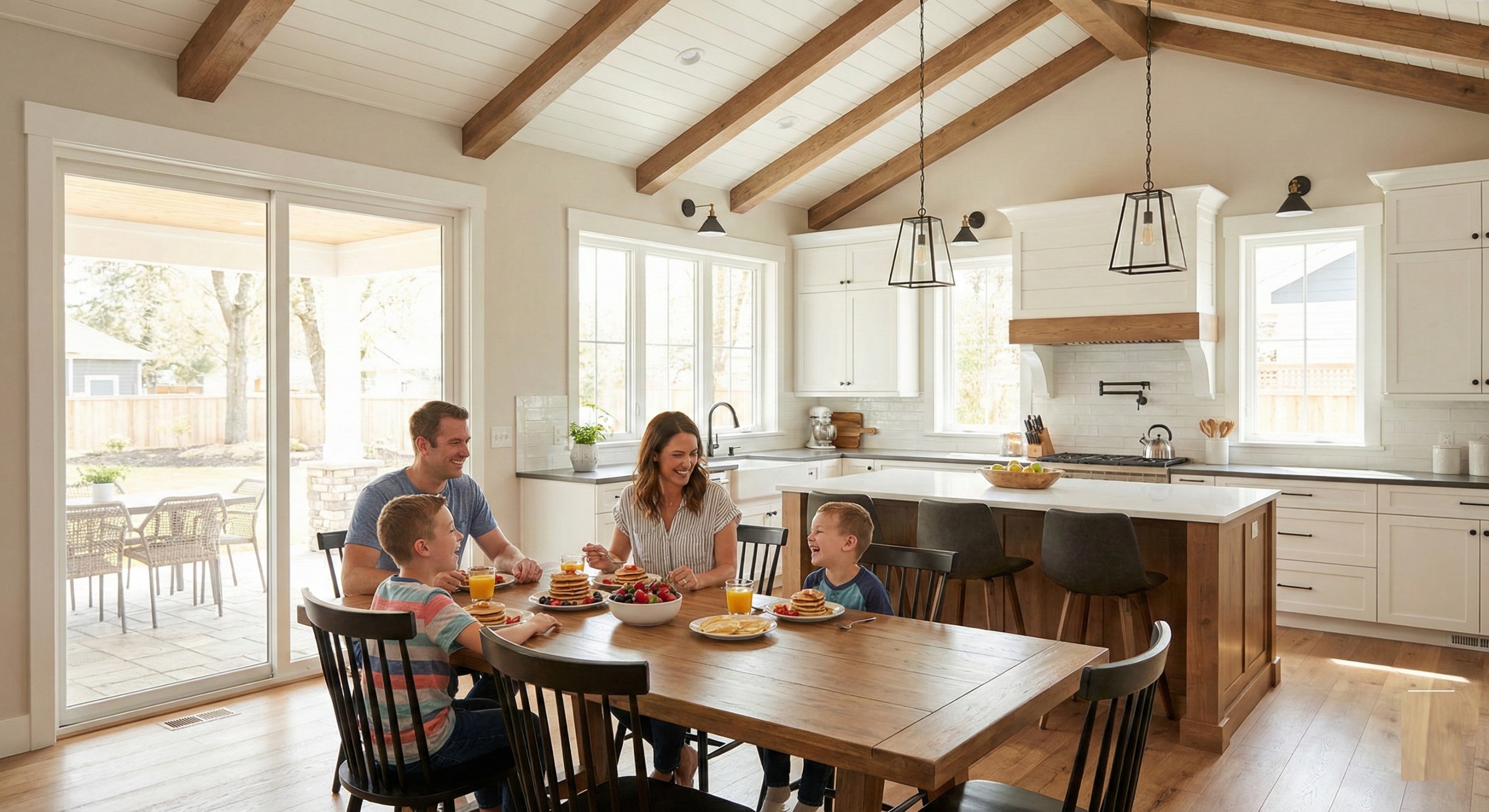
Some additions are built as unfinished storage or a simple shell, while others are fully integrated living space with matching floors, trim, paint, and lighting. A clear finish level makes estimating more accurate and prevents change orders later.
HVAC and electrical coordination (high level)
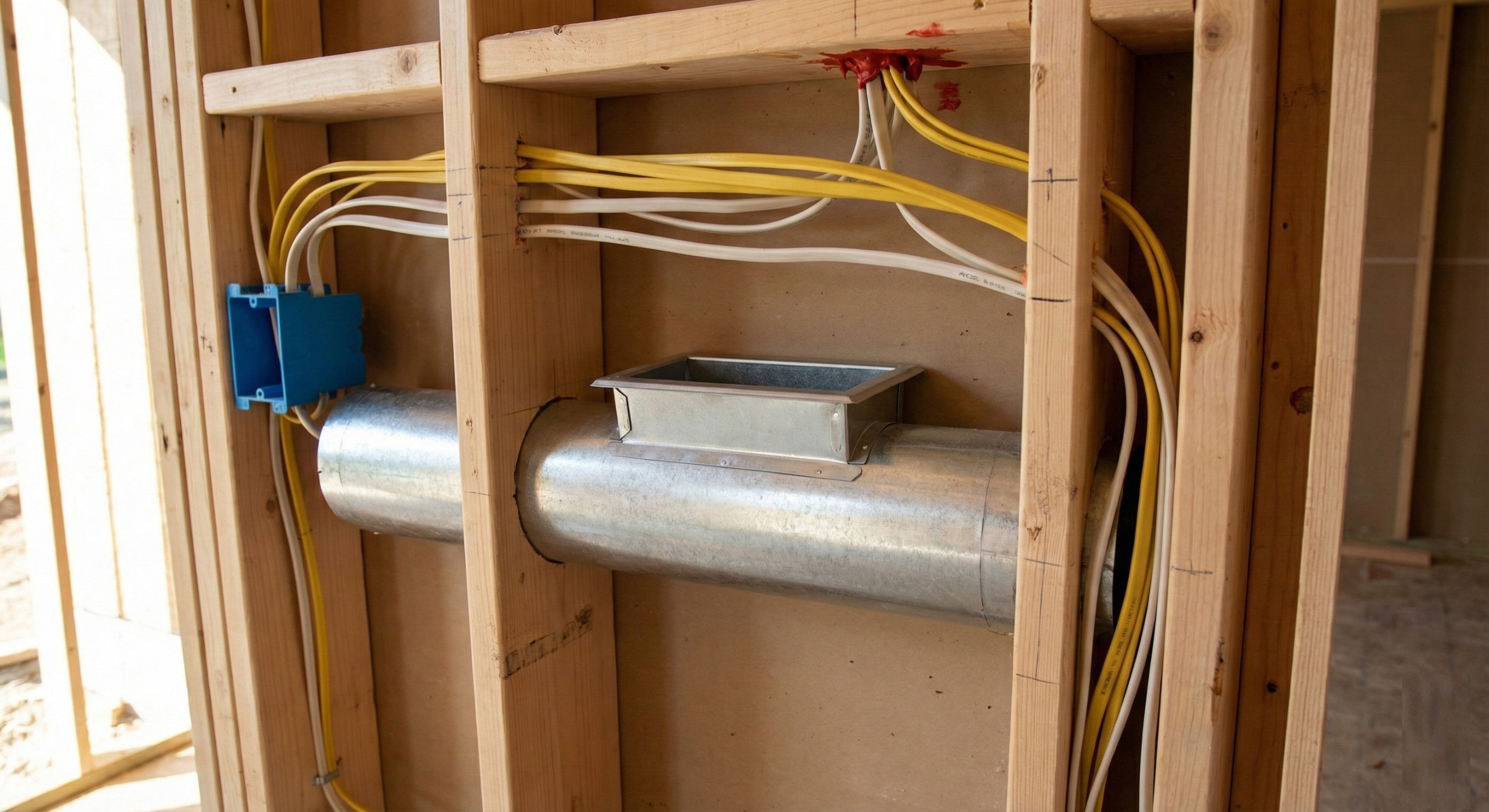
Most additions involve some level of mechanical and electrical coordination. The best time to plan this is early so routing, access, and sequencing do not create delays once finishes begin.
How it works
A smooth addition starts with a clear process and realistic scheduling. Here is how we typically run home addition projects.
Request an estimate
Send a short description, photos, and your rough timeline. Include your address or neighborhood so we can route you correctly.
Site visit and scope definition
We confirm existing conditions, discuss how the addition connects to the home, and identify constraints that affect plan, cost, and schedule.
Proposal and pre-construction planning
You receive a written scope with clear inclusions and assumptions. If permitting or special-order materials affect timing, we flag that early.
Schedule and build sequencing
We coordinate trade order, inspection checkpoints, and material timing so work flows logically from structure to finishes.
Walkthrough and punch list closeout
We review the completed work, document any final items, and close them out so the addition finishes cleanly.
Pricing drivers for home additions
Home addition pricing depends on size, complexity, and integration with the existing home. The biggest drivers tend to be:
Size and layout complexity
More square footage generally increases cost, but complexity matters just as much. Layout changes, multi-room additions, and connections to existing spaces affect labor and sequencing.
Foundation complexity
Foundation type and site conditions can affect scope and schedule. This is one reason a site visit and clear scope definition are important before comparing quotes.
Tie-in complexity and roofline changes
Exterior integration, roofline work, and how the new structure connects to the existing envelope can significantly affect both labor and materials.
Finish level
A fully finished living space with flooring, trim, paint, lighting, and built-ins costs more than an unfinished shell. A clear finish package keeps expectations aligned.
Utilities and routing (high level)
Even when utility work is straightforward, routing and access can change complexity. Early planning prevents surprises after finishes begin. If your addition includes interior upgrades that will be scheduled alongside the build, these pages can help you understand scope and dependencies:
Need assistance?
Timeline drivers and scheduling realities
Additions require practical scheduling because multiple steps depend on approvals, inspections, and material timing. The most common timeline drivers include:
Design and permit path
Some additions require more planning and permitting steps than others. The exact requirements depend on scope and local process. We plan around likely checkpoints early.
Inspection cadence
Inspections can become schedule anchors. When they are required, we build the schedule around those milestones to avoid downtime.
Special-order materials
Windows, doors, certain flooring products, cabinets, and specialty finishes can extend lead times. The earlier selections are confirmed, the more stable the schedule.
Weather windows and exterior integration
Exterior tie-ins and envelope work can be affected by weather and access. We plan sequencing to protect the home and keep work moving.
Proof: examples of addition work and coordination
Publishing note: Replace placeholders with real project photos and details as you build the portfolio library. Keep the structure consistent so visitors can compare projects quickly.
Project example 1
Living space addition with clean interior integration
-
1
What we did
Coordinated framing and exterior tie-in with a clear schedule -
2
Sequenced drywall, paint, flooring, and trim for clean transitions -
3
Closed out with a walkthrough and documented punch list
Project example 2
Bump-out to improve layout and usable space
-
1
What we did
Confirmed scope and constraints during site visit -
2
Planned trade sequence to reduce rework at the tie-in point -
3
Completed interior finishes to match adjacent spaces
Project example 3
Addition scope with related finish work coordination
-
1
What we did
Coordinated finish carpentry, flooring transitions, and paint timing -
2
Managed dependencies so finish work did not overlap incorrectly -
3
Closed out details with a punch list process
Related services
Additions often overlap with these services, especially when you want the new space to feel fully integrated.
Areas we serve
Home additions are available across our core service area. Start with your local page for planning notes and common project types.
What you can expect from HomeFREA
A well-run addition depends on project management as much as construction.
- Scope clarity up front
We document inclusions, exclusions, and assumptions so your estimate is comparable and the plan is realistic. - Trade coordination and sequencing
We schedule the work in the right order and manage dependencies between structure, inspections, and finishes. - Jobsite protection and daily cleanup
We protect adjacent areas and keep cleanup part of the routine, especially when the home is occupied. - Communication cadence
You will know what is happening next, what decisions are needed, and what could affect schedule.
Frequently asked questions
Many additions require permits, but requirements depend on the scope and how the addition ties into the existing home. The safest approach is to assume permitting may be required and confirm it early during scoping. If permits and inspections apply, we plan around the checkpoints so schedule expectations are realistic.
Timeline depends on size, complexity, design and permit steps, inspection cadence, and material lead times. Special-order windows, doors, cabinets, and finish selections can extend the schedule if decided late. After the site visit and scope confirmation, we provide a realistic timeline range and explain the main drivers.
The largest cost drivers are usually size, foundation complexity, tie-in complexity, roofline changes, finish level, and how utilities are routed at a high level. Pricing is also affected by access and how much work needs to be phased when the home is occupied. Clear inclusions make quotes easier to compare.
For additions, a site visit is typically required. We review existing conditions, discuss how the new space connects to the home, and identify constraints that affect sequencing and cost. The goal is a scope that is clear enough to price accurately, with assumptions documented so there are no surprises later.
We plan access, staging, and daily cleanup so the home stays as functional as possible. When needed, we phase work to limit disruption to key living areas. Exterior tie-ins and interior finish work are sequenced to reduce unnecessary traffic through finished spaces. The exact plan depends on your layout and scope.
Start with an estimate request and photos. We schedule a site visit to confirm scope, then provide a written proposal with clear inclusions. Once scope and timeline are aligned, we coordinate trade availability, material ordering, and any inspection checkpoints. Start dates vary based on scope and lead times.
Focus on scope clarity and assumptions. Two bids can look similar but include different finish levels, protection, cleanup, or tie-in details. Compare what is included, what is excluded, and what items are allowance-based. Ask how scheduling and inspections are handled, and confirm how changes are documented.
Ready to plan your addition?
If you are considering a home addition, the fastest next step is an estimate request with a short scope summary, photos, and your rough timeline. We will confirm the right starting point and outline the next step for pricing.