
Garage Additions
A garage addition is one of the most practical ways to add storage, protect vehicles, and create dedicated space for projects. The difference between a smooth build and a stressful one usually comes down to scope clarity and planning. Roof tie-ins, slab or foundation decisions, door specs, and finish level should be defined early so the schedule stays realistic. HomeFREA builds garage additions with clear inclusions, coordinated sequencing across trades, and clean closeout, so the new space fits your home and how you use it.
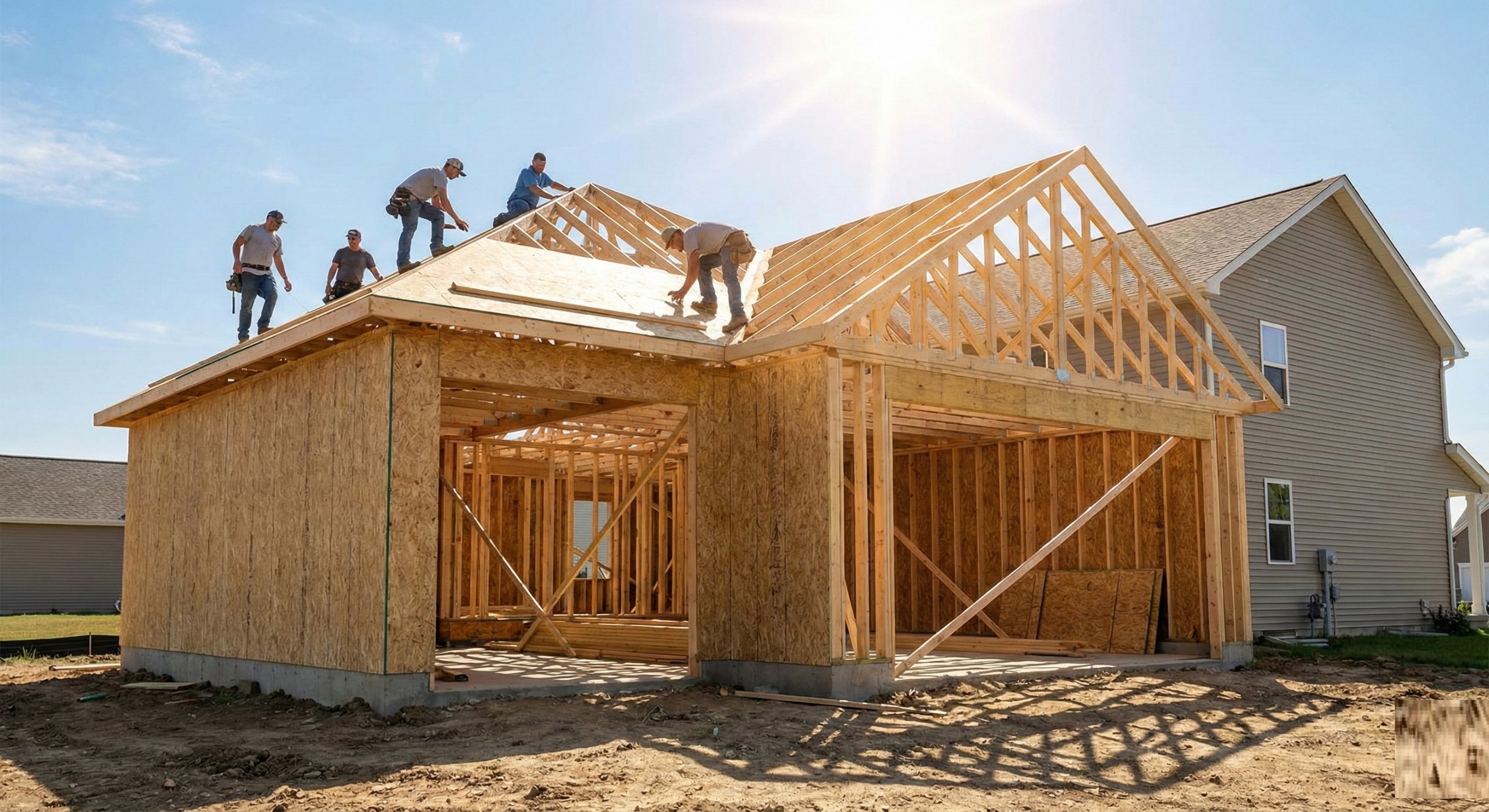
When a garage addition is the right fit
A garage addition is a strong fit when you want more function without reshuffling the entire home. Common goals include:
If your goal is broader than a garage, such as adding livable square footage, review our home addition service.
- Protected parking and more secure storage
- A workshop or hobby space with better organization
- Room for tools, bikes, yard equipment, and seasonal items
- A cleaner daily routine, especially when the existing garage is too tight or non-existent
- A future-ready layout, such as space for workbenches, cabinetry, or a dedicated zone for equipment
What’s typically included
Every project is scoped to your home and goals, but garage additions commonly include the elements below.
- Framing and structural components
- Decking installation
- Railings and guard details
- Stairs and landings as needed
- Footings or supports as applicable to the project
- Jobsite cleanup and closeout
- Framing and structural build scope
- Roofing tie-in planning and integration as needed
- Doors and windows (if applicable to your design)
- Defined interior finish level planning
- Electrical rough-in coordination at a high level, as included in scope
- Cleanup and project closeout
Finish work is often influenced by how you plan to use the space. If your garage addition includes finished surfaces and trim details, these pages can help set expectations:
Clear exclusions help you compare estimates and avoid surprises mid-project. Depending on your scope, the following may be excluded or handled separately:
- Landscaping, grading, or drainage work outside the defined deck scope
- Extensive demolition beyond what is specified
- Repairs to unrelated structural issues discovered away from the deck area
- Specialty electrical or lighting packages that are not included in the scope
- Permit fees or third-party requirements (these vary and should be documented clearly)
If the deck ties into areas with existing movement or damage, the right first step may be structural repair planning.
Options to consider before scoping
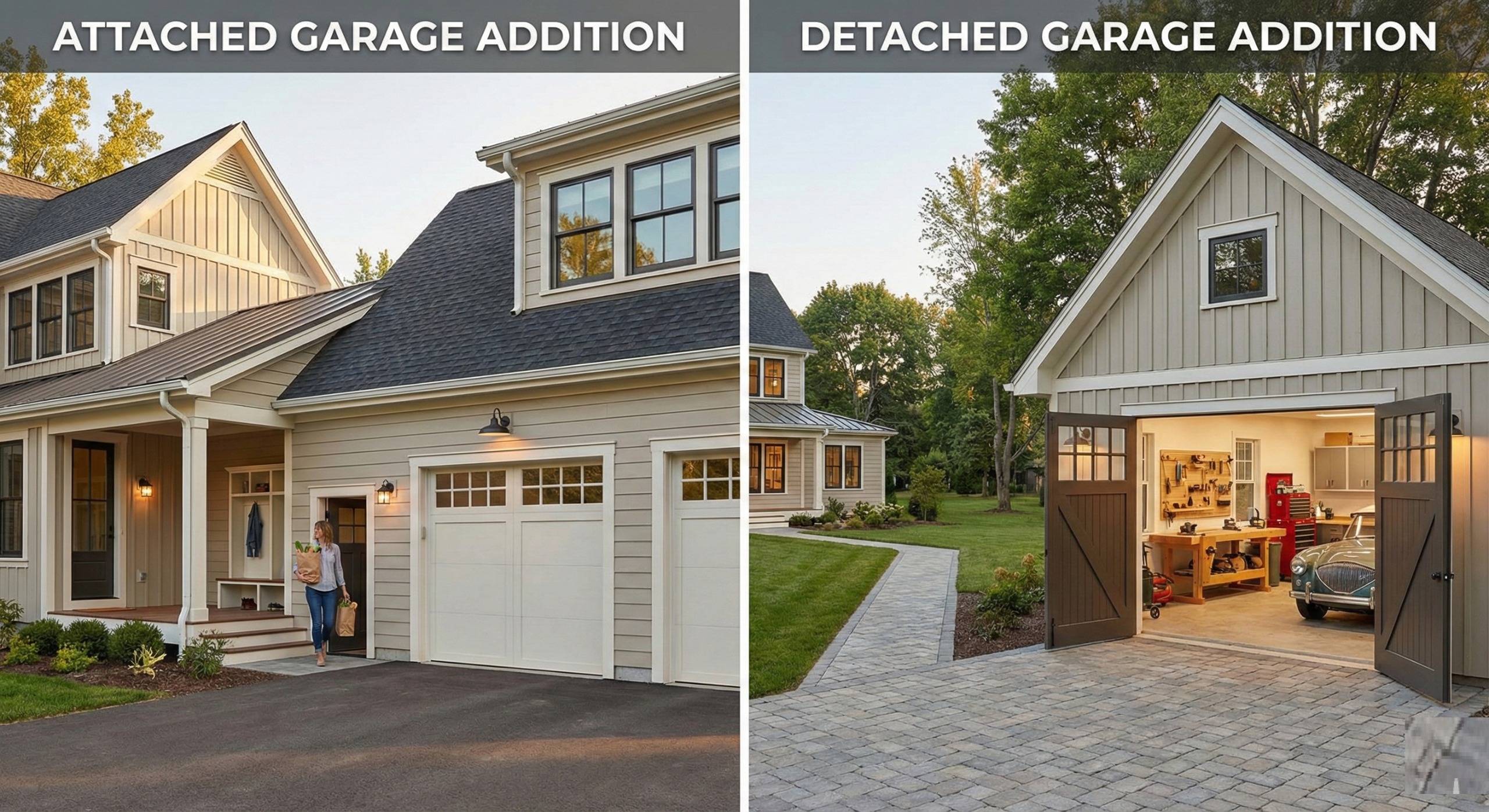
Attached vs. detached
- Attached garage additions can be convenient for daily access and can integrate cleanly with the home, but tie-ins and rooflines may add complexity.
- Detached garage additions
can offer flexibility for placement and workflow, especially for workshops, but site conditions and access can influence scope.
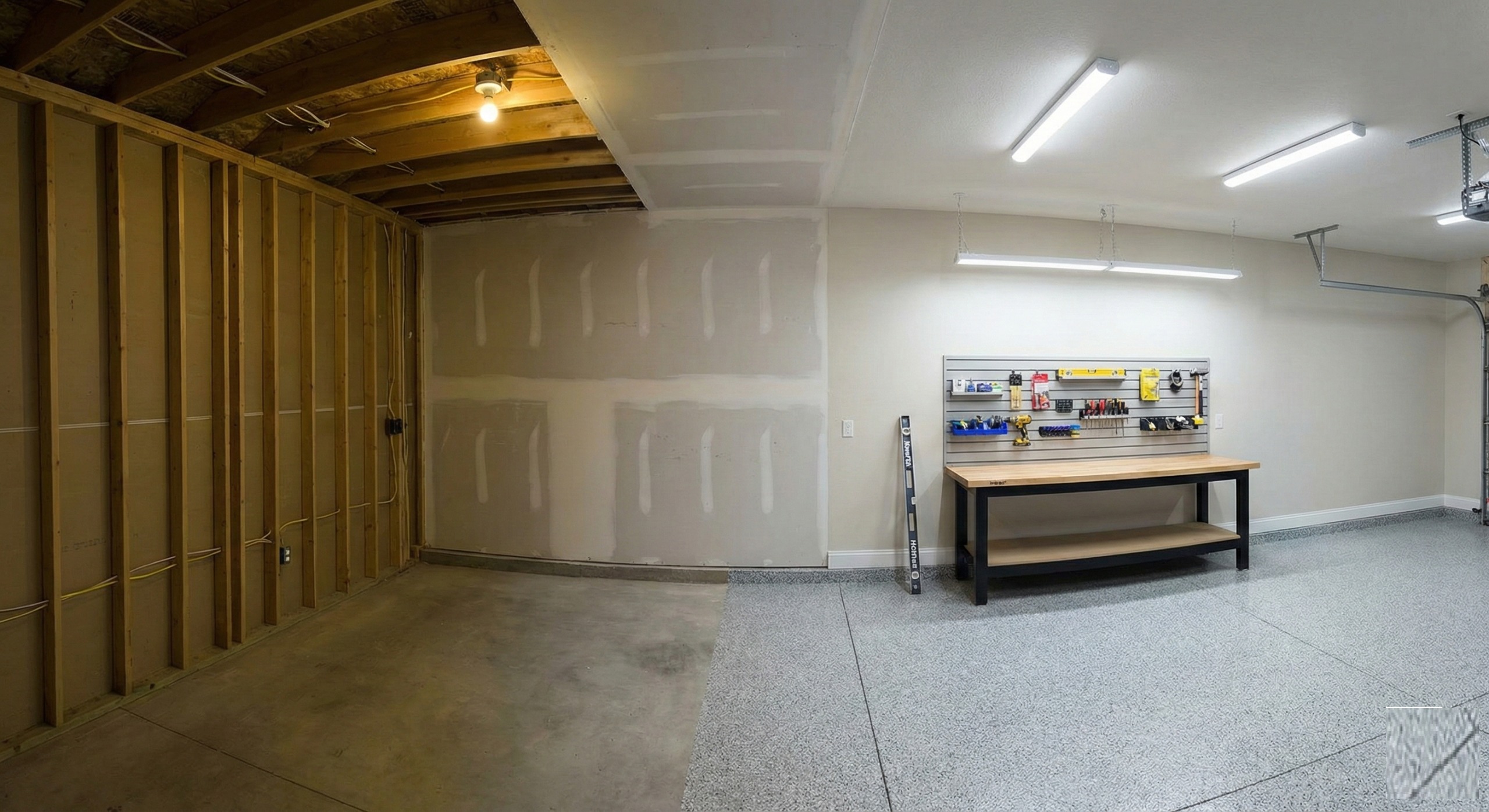
Storage and workshop finish levels
Finish level should be decided upfront. A basic garage shell looks different from a workshop-ready space. Examples of finish level decisions include:
- Exposed framing versus finished walls
- Basic lighting versus a more robust layout
- Storage layout, workbench zones, and space planning
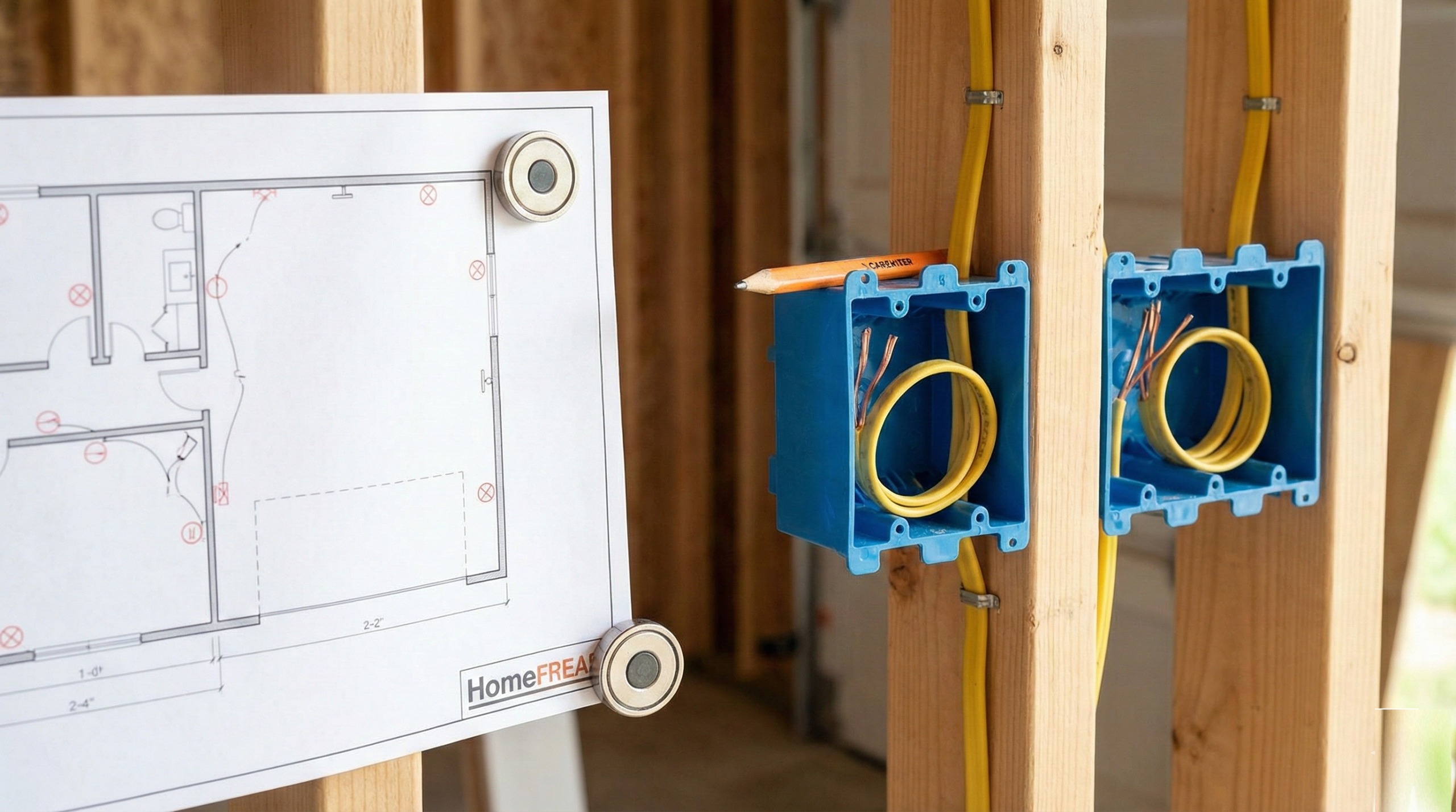
Electrical rough-in (high level)
Many garage additions include electrical planning for lighting, outlets, or a workbench area. Routing and access are best handled early so the build stays organized and you are not opening finished surfaces later.
If you are planning a build that goes beyond a garage and moves toward a full new structure, the custom home build process may be more relevant.
How it works
Request an estimate
Send a short description, photos of the proposed area, and your rough timeline. Include your address or neighborhood for routing.
Site visit and scope definition
We confirm access, layout constraints, and how the new structure will tie in. This is where we define the finish level and any assumptions that affect pricing.
Proposal and plan alignment
You receive a written scope with clear inclusions and exclusions. If permitting or specific materials affect timing, we call that out early.
Scheduling and sequencing
We coordinate trade order and plan around inspection checkpoints when required. Material timing is built into the schedule, including garage door lead times.
Build, walkthrough, punch list closeout
We complete the scope, review the finished work with you, document final items, and close them out so the project ends cleanly.
What drives the cost of a garage addition
Tie-in complexity
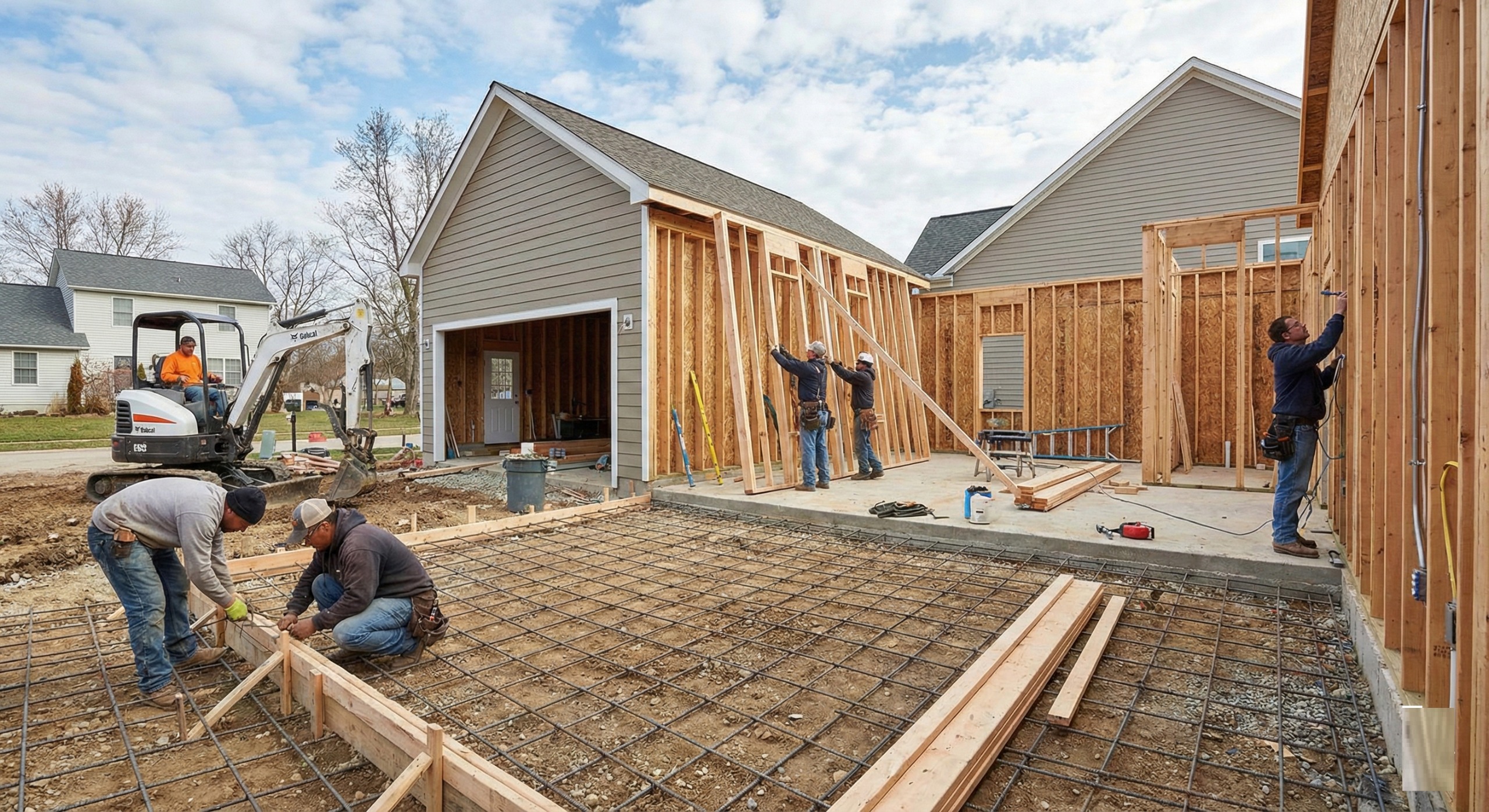
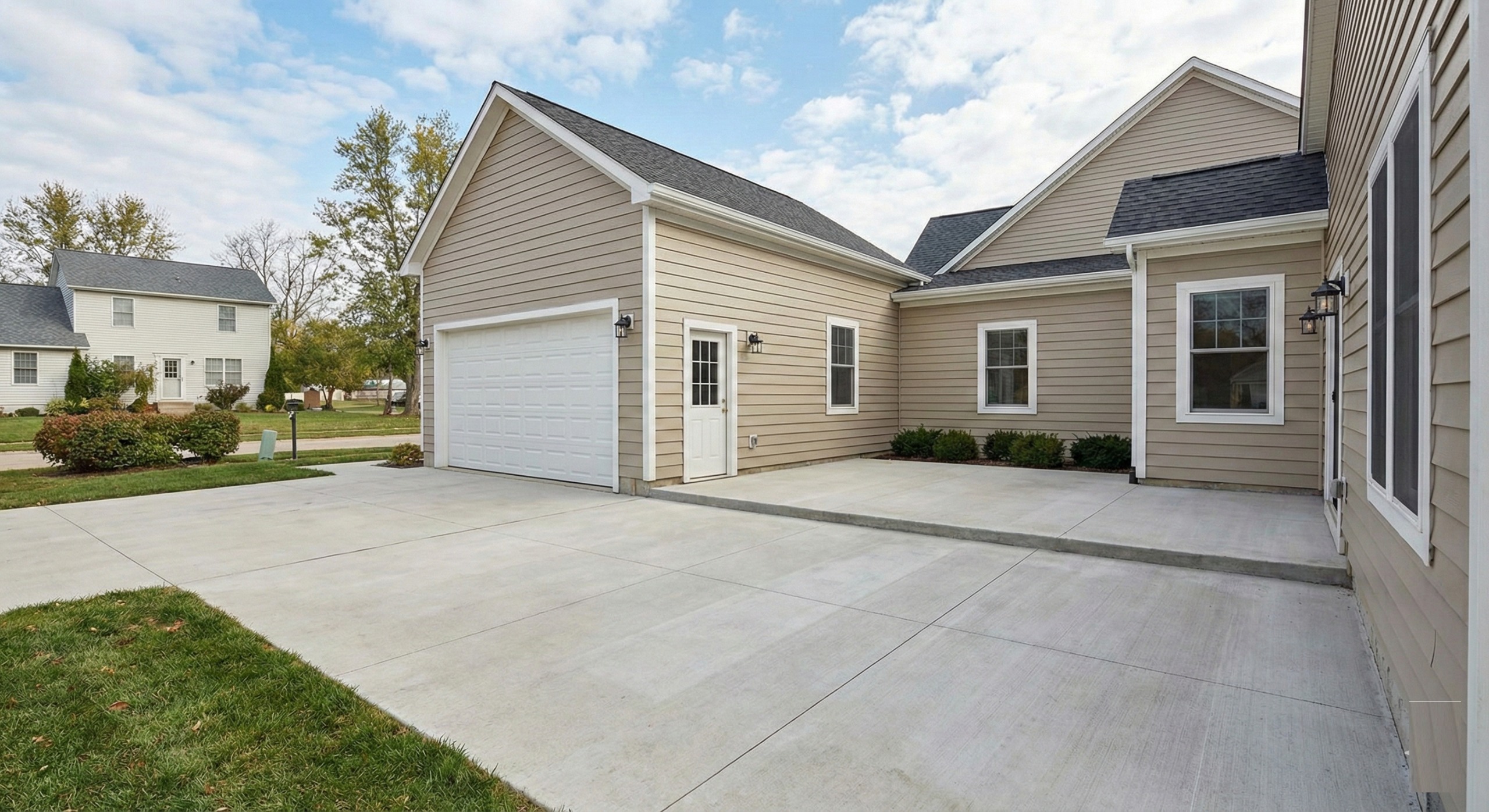
Attached garages often require more coordination at the connection point. Roofline integration, transitions, and how the addition interfaces with the existing home can change both labor and materials.
Slab or foundation scope
Foundation type and site conditions can influence cost and schedule. Access for equipment and staging also plays a role in labor efficiency.
Door specs and openings
Garage door size, configuration, and finish options can meaningfully change the budget. If windows and service doors are included, the quantity and specifications matter as well.
Roofline and exterior integration
Roof tie-ins, exterior finish matching, and weatherproof integration can add complexity, particularly when the existing structure requires careful transitions.
Finish level and electrical planning (high level)
A basic garage shell differs from a workshop-ready space with more electrical planning and finished surfaces. The best way to keep pricing predictable is to define the finish level early. If you are deciding whether a garage addition is part of a larger expansion plan, it can help to compare it with a broader addition scope:
Need assistance?
Timeline drivers and scheduling realities
Garage additions often have a clear build path, but scheduling can shift based on a few common factors:
Permitting and inspections
If the scope requires permits, the permit path and inspection cadence become schedule anchors. Planning around these checkpoints reduces downtime.
Garage door lead times
Garage doors can be a critical path item. If you are selecting a specific size, style, or finish, lead times may affect scheduling. Confirming door specs early helps stabilize the timeline.
Site access and staging
Tight access or limited staging space can affect sequencing and labor efficiency. This is one reason a site visit matters before schedule commitments are made.
Finish-level changes midstream
Timeline issues often come from scope changes, such as adding more finish work, changing openings, or expanding the electrical plan after construction is underway. Clear scope at the start reduces this risk.
Proof: garage addition examples
Project example 1
Attached garage addition with clean roof integration
-
1
What we did
Coordinated framing and roof tie-in planning for a clean transition -
2
Confirmed garage door openings and scheduling around delivery timing -
3
Closed out with a walkthrough and documented punch list
Project example 2
Detached garage addition with workshop-ready planning
-
1
What we did
Defined the interior finish level and space planning early -
2
Coordinated electrical rough-in at a high level for workbench and storage zones -
3
Completed closeout with a focus on clean details and usability
Project example 3
Garage addition coordinated with related structural scope
-
1
What we did
Confirmed existing conditions at the tie-in area before finishes began -
2
Sequenced structural and framing steps to prevent rework -
3
Closed out with finish restoration where applicable
Related services
Deck building often overlaps with these services, depending on how the deck connects to the home and what is being expanded.
Areas we serve
Garage additions are available across our core service area. Start with your local page for planning notes and common project types.
What you can expect from HomeFREA
A good garage addition is built on fundamentals that stay consistent from start to finish.
- Scope clarity up front
We document inclusions, exclusions, and assumptions so pricing is easier to compare and the plan is easier to manage. - Trade coordination and sequencing
We plan the work in the right order and manage dependencies between structure, inspections, and finishes. - Jobsite protection and cleanup
We keep the site organized and protect adjacent areas as needed, especially when the home is occupied. - Communication cadence
You will know what is happening next, what decisions are needed, and what could affect timeline.
Frequently asked questions
Attached additions often have more tie-in complexity, especially at the roofline and connection points. Detached additions can offer placement flexibility, but site access and foundation scope can shift pricing. The best way to compare is to define the use, finish level, and placement first, then confirm constraints during a site visit.
Some garage addition scopes require permits and inspections, and requirements vary based on the project. During scoping, we flag whether permitting is likely and plan around inspection checkpoints when required so schedule expectations remain realistic.
Timeline depends on permitting and inspections, garage door lead times, and the overall finish level. Delays often come from late decisions on door specs, changes to openings, or expanding finish scope after work is underway. Confirming key decisions early is the best way to keep the schedule stable.
Start with how you want to use the space. If it is a true workshop, plan for lighting and outlet needs early, define wall finish expectations, and map storage zones so the layout supports workflow. Those decisions affect both pricing and sequencing, and they are easier to handle before framing closes.
Ready to plan your garage addition?
Send a short description of what you want to build, include photos of the area, and share your rough timeline. We will confirm the right scope, identify key decisions that affect schedule, and outline the next step for an estimate.