
Flooring Installation
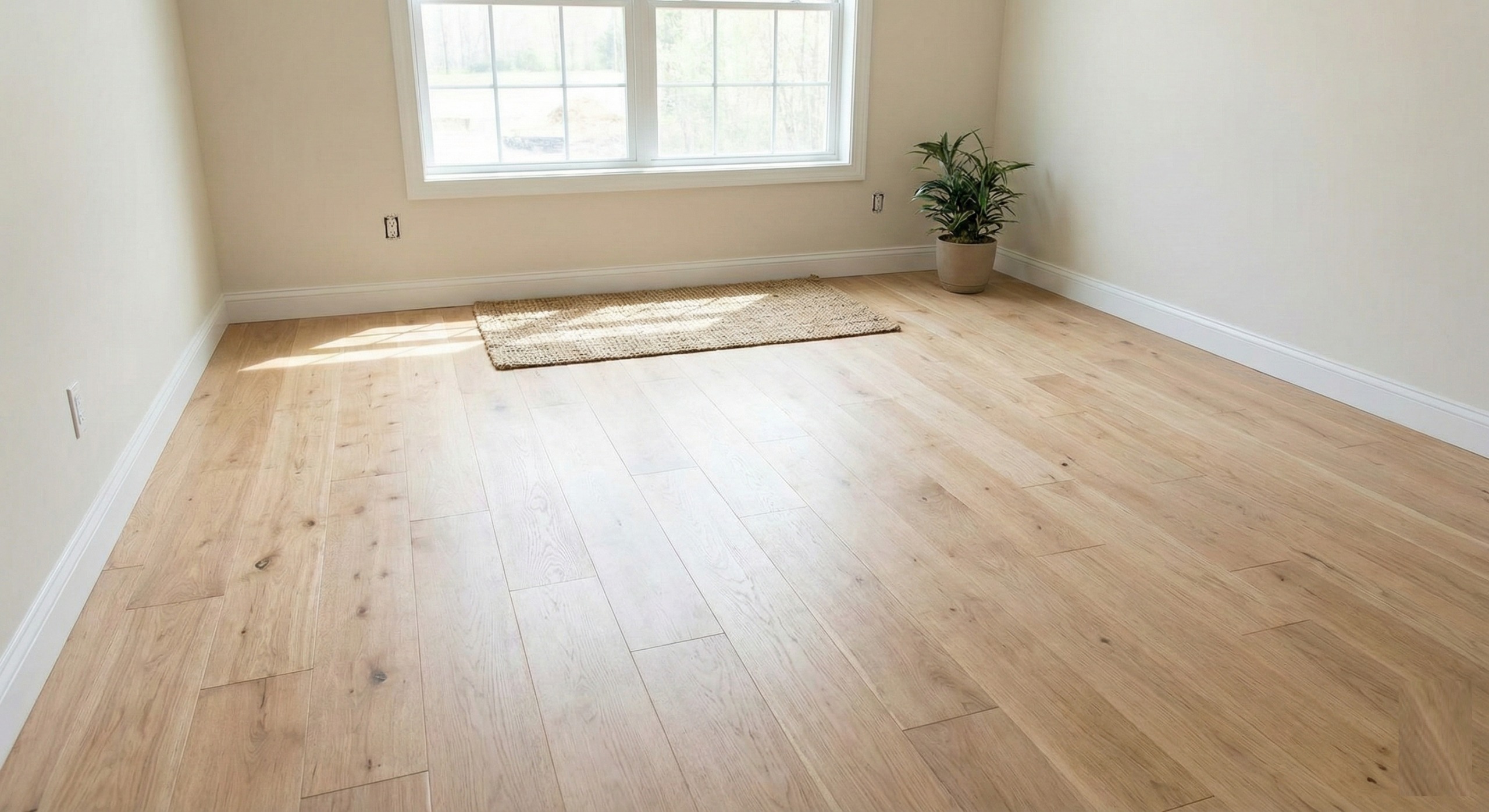
New floors change how a home feels immediately, but the result depends on what happens before the first plank or tile goes down. Subfloor condition, moisture, leveling, and clean transitions at doorways are the difference between a floor that looks great for years and one that starts showing issues early. HomeFREA installs flooring with an emphasis on prep quality, clear scope, and scheduling that fits around other trades when needed. If you want flooring as part of a remodel, we coordinate sequencing so you do not pay for rework.
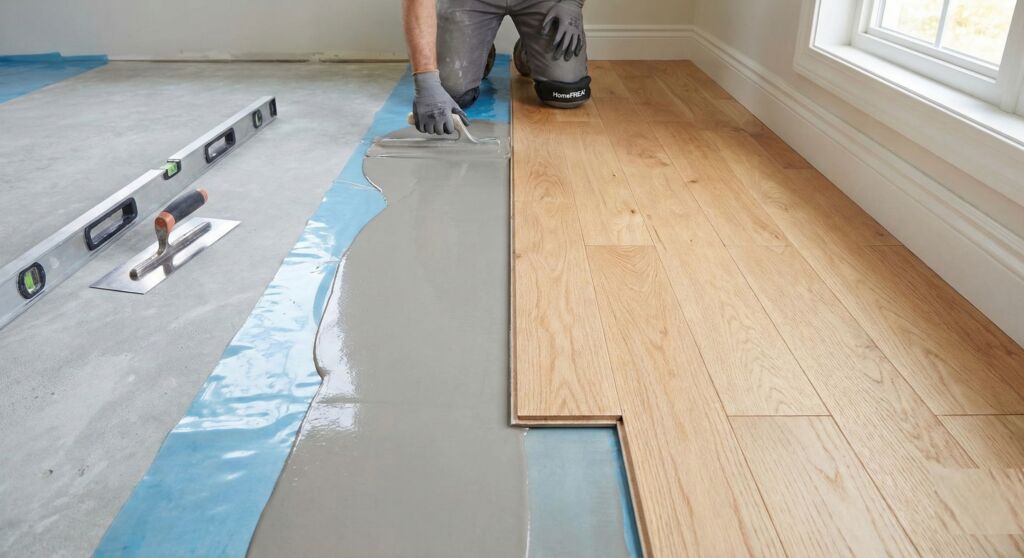
When flooring installation is the right fit
Flooring replacement is usually the right call when the existing floor is worn, damaged, outdated, or no longer fits the way the home is used. Common scenarios include:
If flooring changes are tied to water intrusion or a leak, make sure drying and repair steps are handled in the right order.
If floors are part of a larger multi-room plan, whole-home coordination can reduce disruption and keep sequencing clean.
- Uneven wear, scratches, stains, or movement in the existing flooring
- Water-related swelling, cupping, or delamination
- A flooring type that is difficult to maintain or inconsistent across rooms
- Remodeling a kitchen, bath, or main living area and wanting a cohesive finish
- A whole-home refresh where floors set the tone for everything else
What’s typically included
Every project is scoped to your home and the flooring type, but a typical flooring installation scope includes the items below.
- Removal of existing flooring as needed for the scope
- Subfloor inspection and basic prep planning
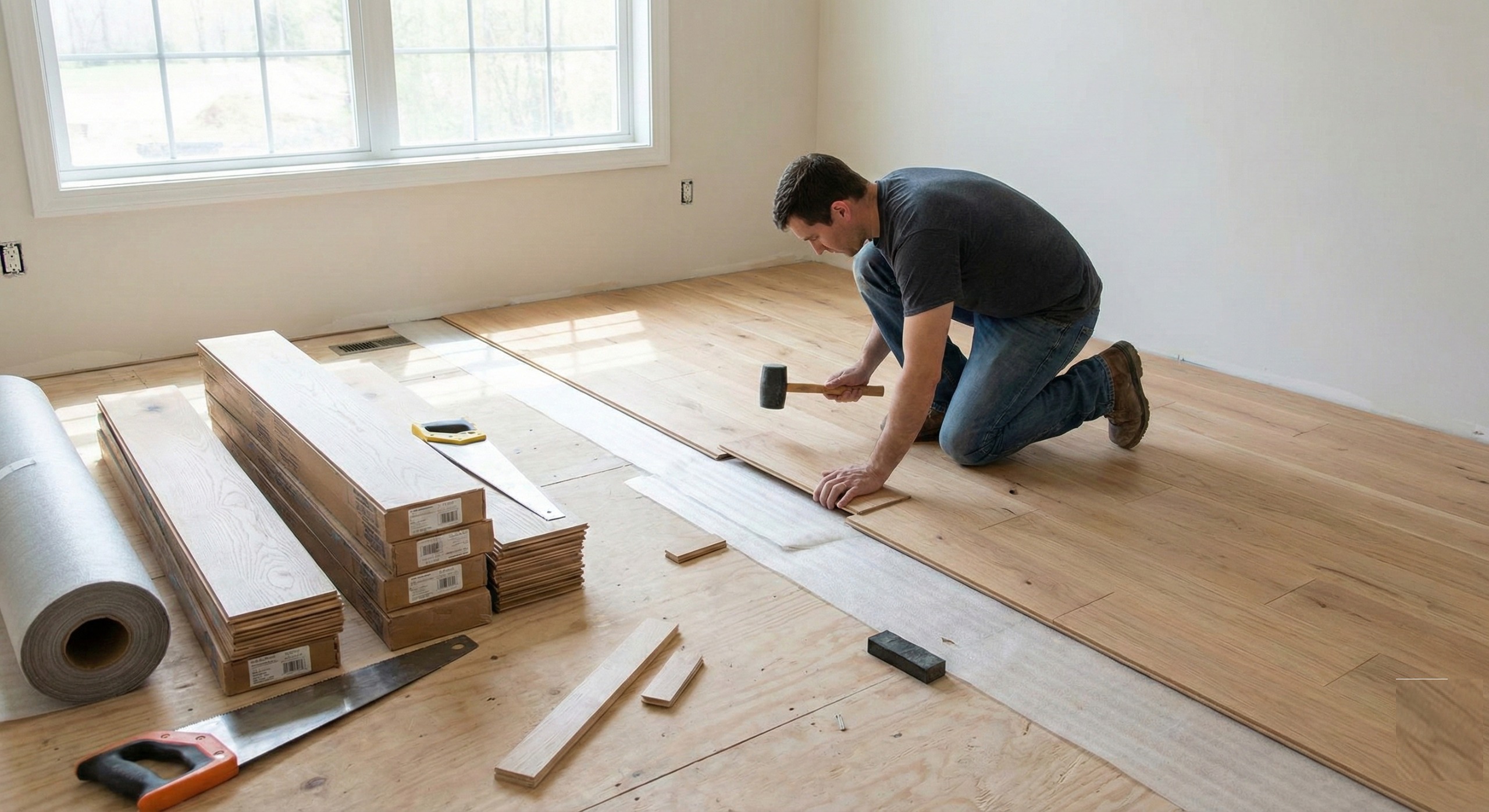
- Installation of the selected flooring material
- Transitions between rooms and at doorways
- Baseboard and trim handling as scoped (remove and reinstall, replace, or touch-up plan)
- Jobsite cleanup and punch list closeout
- Site visit and scope confirmation
- Scheduling aligned to other work when flooring is part of a remodel
- Material timing and lead-time awareness
- Final walkthrough and punch list closeout
Related services that often intersect with flooring, especially at transitions and finish details:
The right flooring depends on lifestyle, maintenance expectations, and where the flooring will be installed. During scoping, we help confirm what works best for your space and your goals.
Luxury vinyl plank (LVP) and similar resilient floors
Often chosen for durability and easier maintenance. Good results depend on flatness, expansion considerations, and clean transition planning.
Engineered hardwood and wood look floors
Chosen for warmth and a higher-end feel. These floors often require careful acclimation and substrate requirements. Planning matters.
Tile flooring (when applicable)
Tile is common in bathrooms, laundry areas, and certain kitchens. Tile performance depends on substrate prep and, in wet areas, proper waterproofing steps as required by the scope.
If you are remodeling a kitchen or bathroom, flooring is usually on the critical path with cabinets, tile, and paint.
Common exclusions to clarify early
Flooring estimates are only comparable when the boundaries are clear. Depending on your project, these items may be excluded or handled separately. The key is that they are documented.
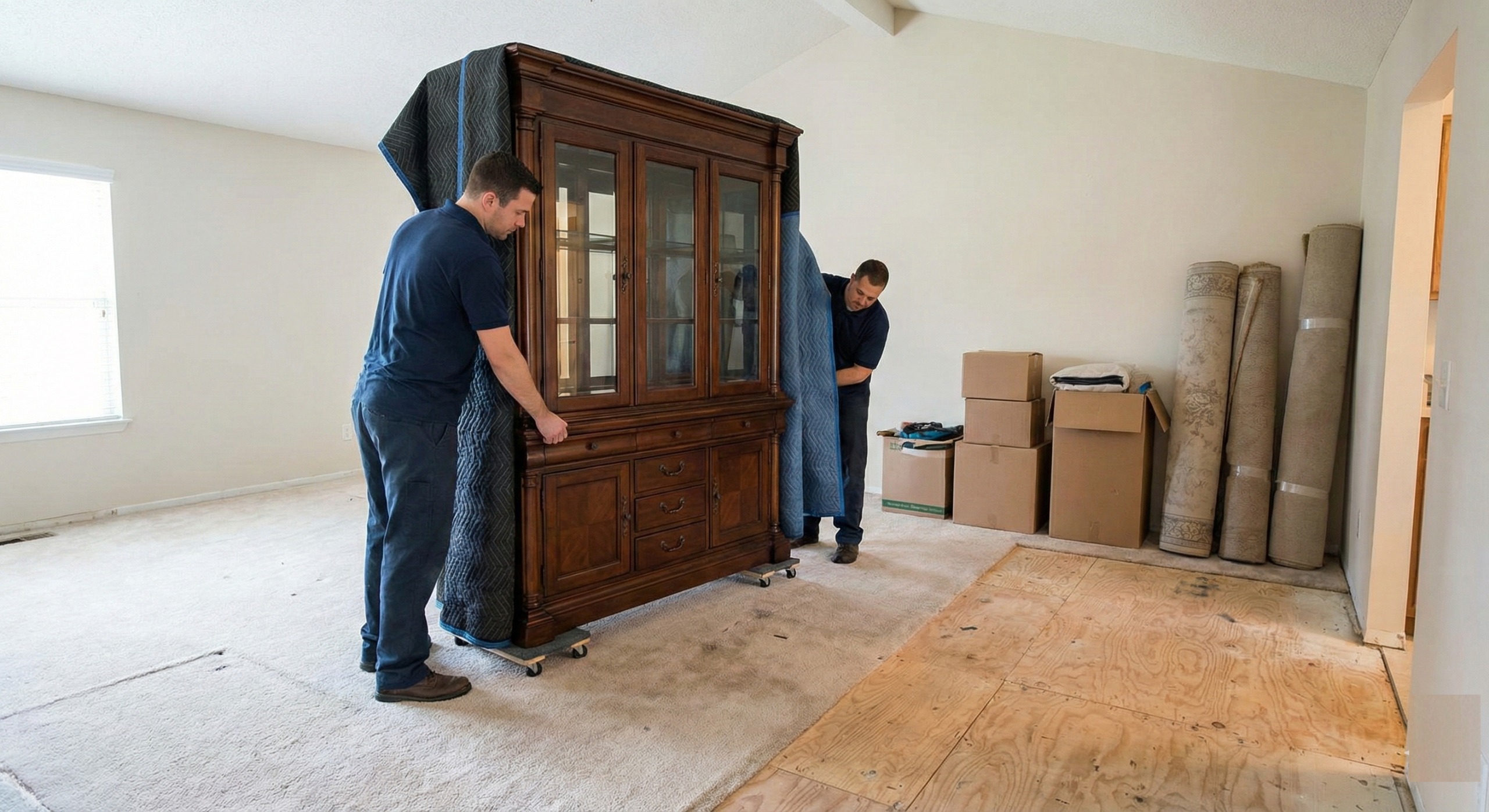
- Moving large furniture or specialty items unless included in scope
- Subfloor repairs beyond basic prep, if damage is discovered after removal
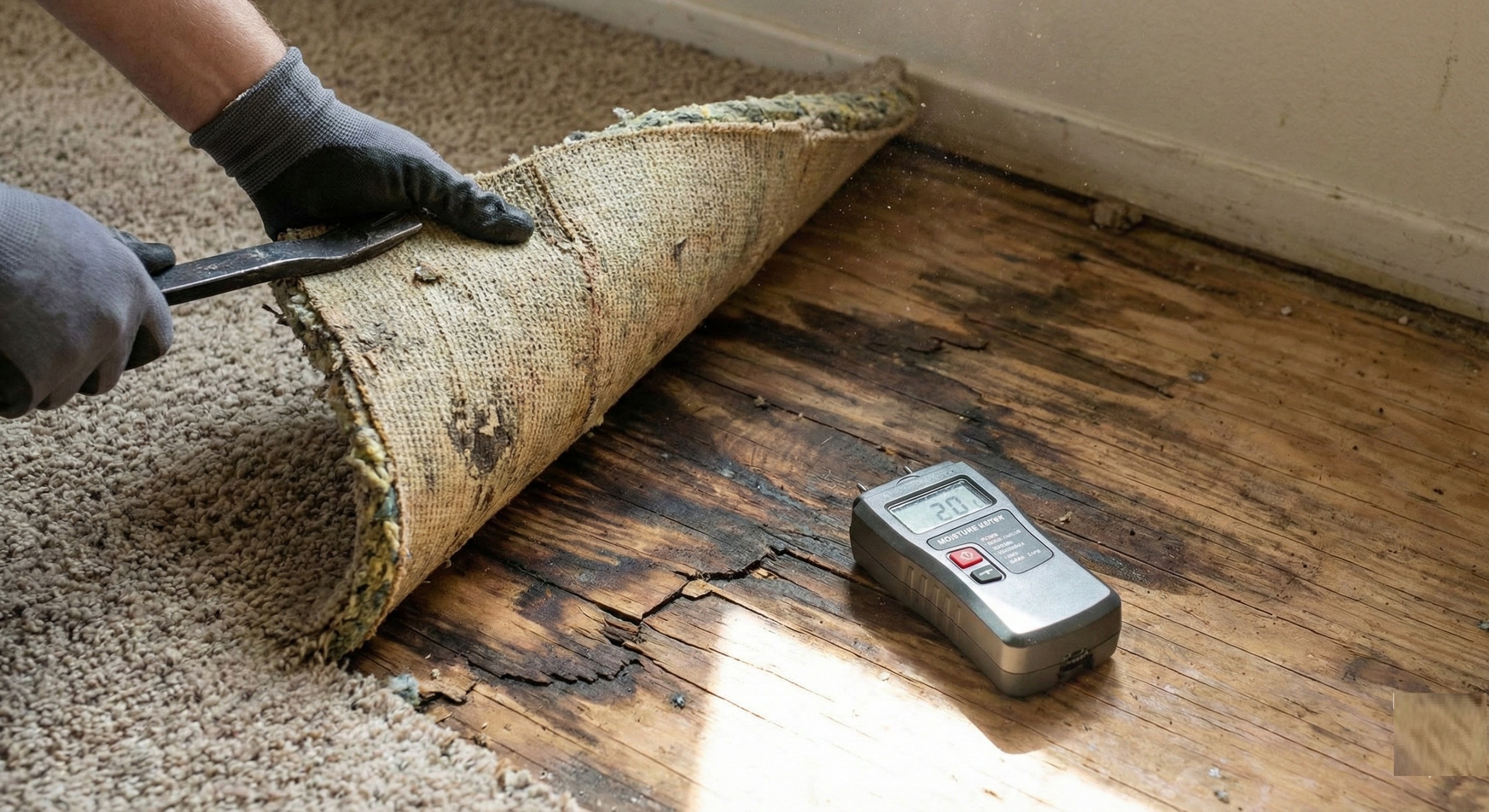
- Leveling work beyond an agreed threshold
- Specialty trim carpentry not included in the flooring scope
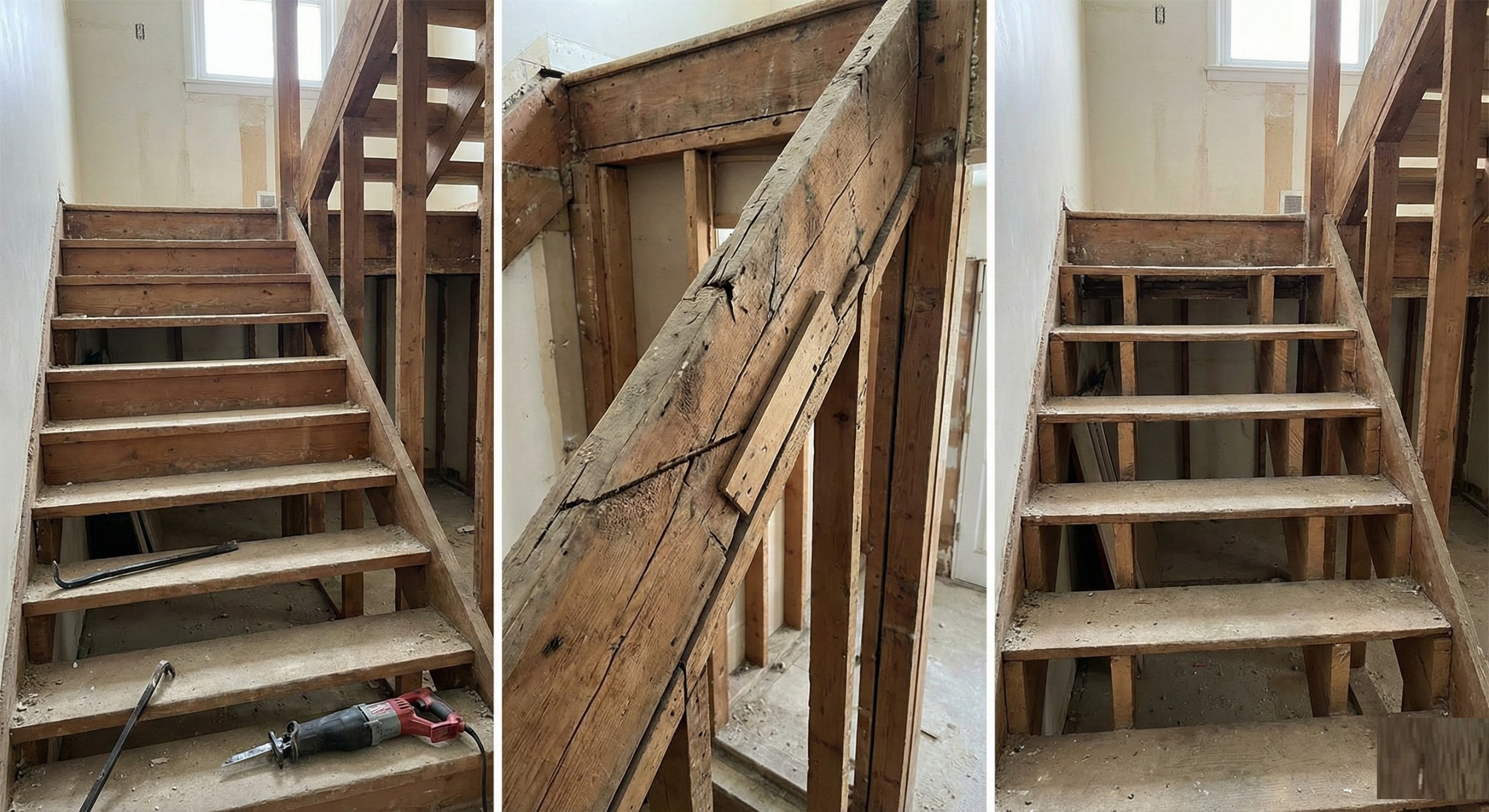
- Stair rebuilds beyond treads and nosings, if the stair system needs structural work
- Permit fees or third-party requirements, when applicable (rare for flooring alone, but scope dependent)
If the project reveals structural concerns under the floor system, those should be addressed before finish installation.
How it works
Request an estimate
Send a short description, photos, and your address or neighborhood. Include where the flooring will be installed and whether the home is occupied.
Site visit and scope confirmation
We confirm existing conditions, transitions, stairs (if included), and what needs to be removed. We also clarify what is included for baseboards and trim so there are no surprises later.
Proposal and material plan
You receive a written scope with inclusions and assumptions. If the schedule depends on acclimation time or special-order materials, we flag that early.
Scheduling and prep
We coordinate removal and prep, then plan installation timing around other trades when applicable. If you are also painting or installing cabinets, we schedule to protect finishes and avoid rework.
Installation, walkthrough, punch list closeout
We complete installation, verify transitions and finish details, then walk the space with you and close punch items.
What drives flooring installation cost
Flooring costs vary because labor is heavily influenced by prep and details, not just square footage. The biggest pricing drivers are usually:
Subfloor condition and prep needs
Prep is where quality starts. If the existing subfloor is uneven, damaged, or has adhesive residue, the prep scope increases. A clean estimate should state what prep is included and what would be treated as additional work if discovered later.
Total square footage and room complexity
Open layouts can install more efficiently than small rooms with many doorways, tight angles, or built-ins. More cutting and more transitions add labor.
Transitions, thresholds, and stairs
Doorway transitions, elevation changes, and stair runs add scope. Stair treads and nosings are detail-heavy work, and they should be clearly defined in the proposal.
Flooring type and installation method
Different materials come with different prep requirements and install steps. Tile, for example, tends to be more labor intensive than floating systems because substrate prep and layout precision matter more.
Matching and tie-ins
If you are trying to match existing flooring in adjacent spaces, the plan may require extra transition strategy or broader replacement for a consistent look. We will explain the options so you can choose what makes sense.
Need assistance?
Timeline drivers and scheduling realities
Acclimation time (when applicable)
Some flooring materials need time to acclimate to the home’s conditions. This is normal and it supports long-term stability. The schedule should account for it.
Subfloor repairs discovered after removal
Sometimes you cannot see issues until the existing flooring is removed. If repair or leveling is needed, that can add time. Clear assumptions help you plan realistically.
Material lead times and availability
Sequencing with other trades
Flooring timing matters when you are also painting, replacing trim, installing cabinets, or doing tile work. We schedule to reduce touch-ups and protect finished surfaces.
Proof: flooring project examples
Project example 1
Main level flooring replacement with clean transitions
-
1
What we did
Removed existing flooring and completed defined prep work -
2
Installed new flooring with consistent layout and clean doorway transitions -
3
Coordinated baseboard handling and final touch-ups
Project example 2
Flooring installed as part of a kitchen remodel sequence
-
1
What we did
Planned flooring timing around cabinets and paint to reduce rework -
2
Installed flooring and transitions for a clean finished look -
3
Closed out with a punch list walkthrough
Project example 3
Water-related flooring replacement with rebuild coordination
-
1
What we did
Scoped flooring replacement after drying and repair steps were complete -
2
Coordinated wall restoration and flooring timing -
3
Restored baseboards and finish details for a complete closeout
Related services
Flooring often connects to other interior work. If your project includes multiple scopes, these pages may help you plan.
Areas we serve
Flooring installation is available across our core service area. Start with your local page for planning notes and common project types.
What you can expect from HomeFREA
- Scope clarity up front so you know what prep, transitions, and trim handling are included
- Prep-first mindset because flatness and substrate quality drive long-term performance
- Sequencing that fits the rest of the project when flooring is part of a remodel
- Jobsite protection and cleanup as part of the routine
- Punch list closeout so the work is finished, not left in the last five percent
Frequently asked questions
Timeline depends on square footage, room complexity, and prep requirements. Many projects move quickly once materials are on site, but acclimation time can be required for some products. If subfloor repairs are discovered after removal, that can add time. After the site visit, we provide a realistic timeline range based on your conditions.
Prep and details. Two quotes can look similar until you compare what each contractor includes for subfloor prep, leveling, transitions, and stair work. Material choice also matters, but labor differences usually come from condition and complexity. Ask for inclusions and assumptions in writing so you can compare apples to apples.
Most scopes include basic prep, but “basic” should be defined. For example, minor scraping and standard underlayment steps may be included, while major leveling, subfloor replacement, or extensive adhesive removal may be treated as additional work if discovered after removal. We document prep assumptions so expectations are clear before work starts.
Sometimes, but it depends on availability, age, and batch variation of the existing product. Even when the product is known, dye lot and wear can make a direct match difficult. We will discuss options such as transition strategies, blending lines, or broader replacement so the result looks intentional.
Sequencing depends on the scope. In many kitchens, cabinets drive countertop timing, and flooring must be planned so it does not create rework or visible gaps. Paint and trim work should be scheduled to protect finished floors and minimize touch-ups. We coordinate the order of work based on your project plan.
Not always. It depends on how much of the home is affected, whether the work crosses main pathways, and whether drying or cure times limit access. If the home is occupied, we plan practical staging and sequencing so disruption is manageable. During scoping, we will talk through access, furniture handling, and a realistic day-to-day plan.
Flooring should be installed after drying and repair steps are complete. Installing too early risks repeat problems. If water impacted subflooring or framing, that repair must be handled first, then the finish work follows. We coordinate the rebuild sequence so the restored space is stable before final flooring goes in.
Ready to replace your floors?
Send a short description of the rooms involved, your preferred flooring type (if you know it), and a few photos that show thresholds, stairs, and any damaged areas. Include your address or neighborhood and your rough timeline, and we will outline next steps for an estimate.