
Drywall Repair & Painting
Drywall repair and painting seems simple until the patch flashes through the finish or the new paint highlights every wall ripple. The difference is prep, protection, and pacing. HomeFREA handles drywall repair and interior painting with clear scope, careful surface finishing, and a schedule that accounts for drying times and multi-coat work. Whether you are fixing water stains, repairing holes, or repainting a room after a remodel, we focus on clean results and a tidy closeout across the Raleigh and Cary area.
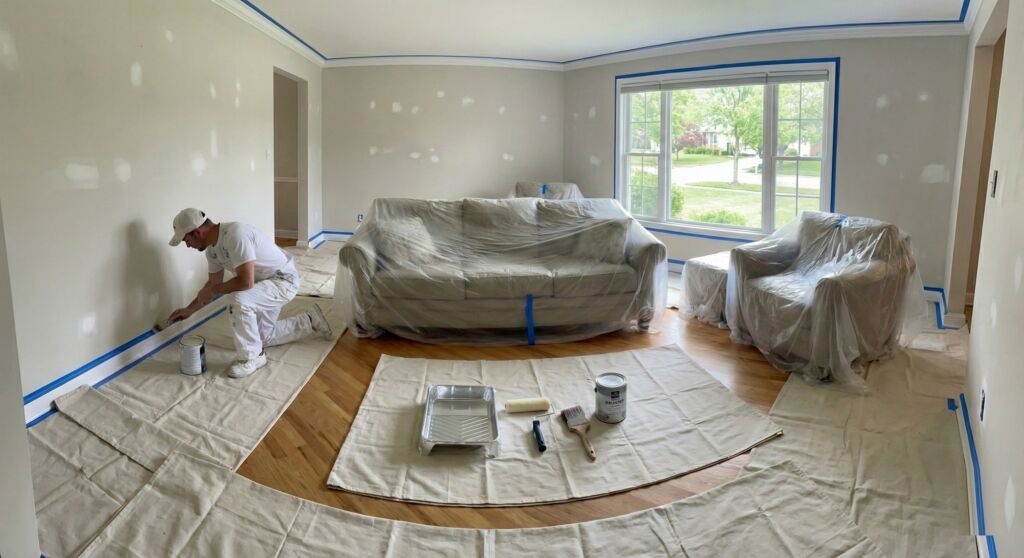
When drywall repair and painting is the right fit
This service is a strong fit when you want the space to look finished again, not “patched.” Common situations include:
If the damage is tied to a recent leak or moisture event, start with repair sequencing so finishes are not installed too early.
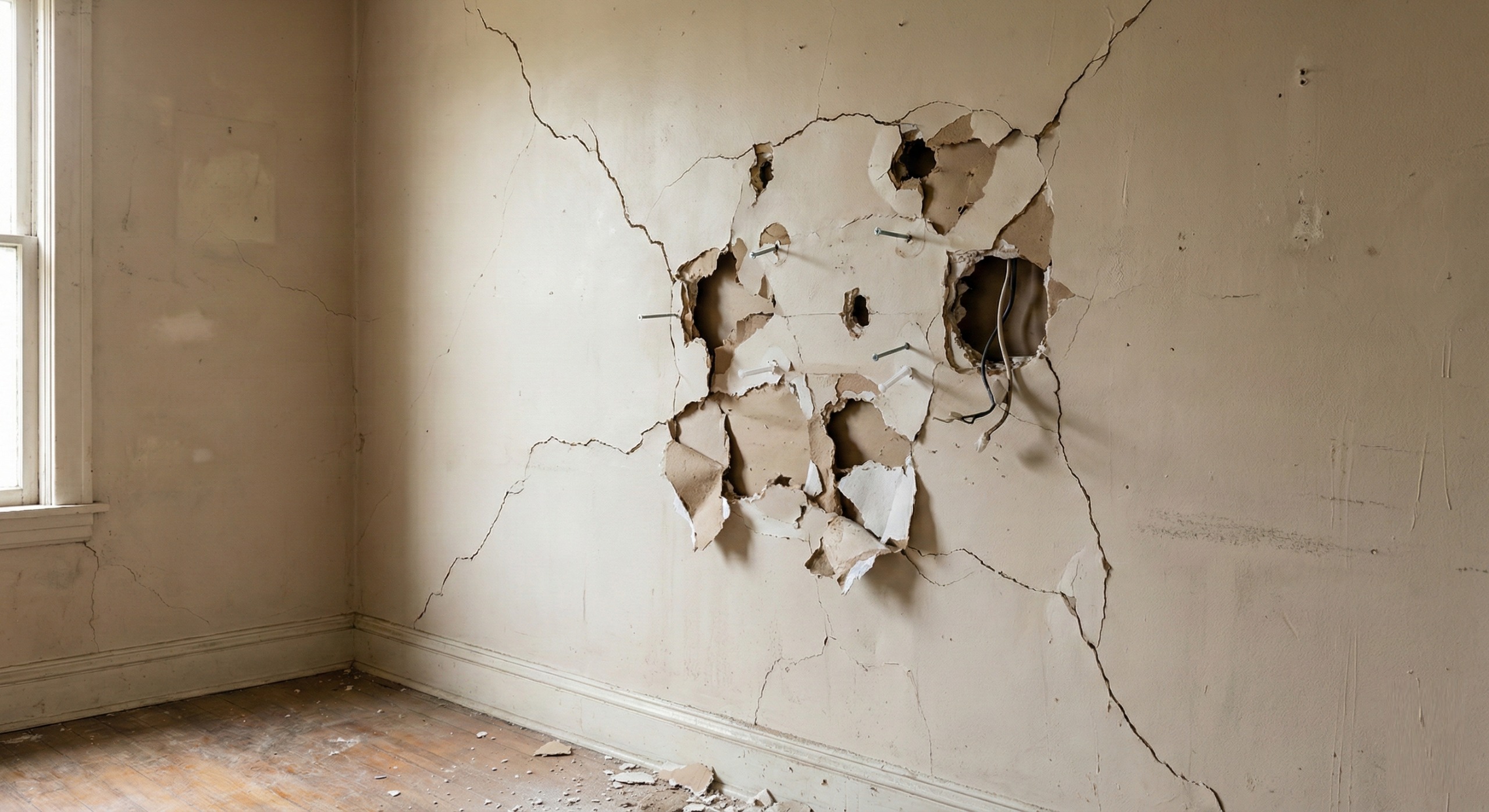
- Holes from anchors, TV mounts, or previous fixtures
- Cracks, corner bead damage, or popped fasteners
- Ceiling stains or wall damage after a leak (once drying is complete)
- Post-remodel touch-ups where multiple trades left minor wall damage
- Full-room or multi-room interior repainting
- Trim, doors, and casing refresh as part of a larger finish update
What’s typically included
Every scope is different, but most drywall and painting projects follow the same core components.
- Protection of floors, furniture, and adjacent surfaces
- Cutting out compromised drywall where needed
- Patching and taping repairs (small holes through larger sections)
- Skim coat work where required for a flat finish
- Texture matching where applicable (light texture, orange peel, knockdown, or smooth finish, based on existing conditions)
- Sanding and cleanup planning to reduce dust travel
- Surface prep (cleaning, patch sanding, caulking where needed, light deglossing in problem areas)
- Primer where required for repairs, stain blocking, or adhesion
- Interior painting for walls and ceilings as scoped
- Trim, doors, and casing painting as scoped
- Final touch-ups and punch list closeout
If drywall and paint are part of a bigger renovation, we coordinate sequencing to protect finished floors, tile, and cabinetry.
ADU builds are easiest to manage when boundaries and assumptions are explicit. Depending on your project, the following may be excluded or handled separately:
- Architectural design or stamped engineering (if required)
- Sitework beyond the defined ADU scope
- Land or surveying services outside the project scope
- Specialty systems not included in the proposal
- Unknown conditions that cannot be verified until work begins
- Permit fees or third-party requirements that vary by jurisdiction (should be documented clearly)
If the ADU scope includes tie-ins to an existing structure with known movement or damage, start by reviewing structural scope basics:
Common exclusions to clarify early
Clear boundaries make quotes comparable and prevent surprises. Depending on your project, these items may be excluded or handled separately:
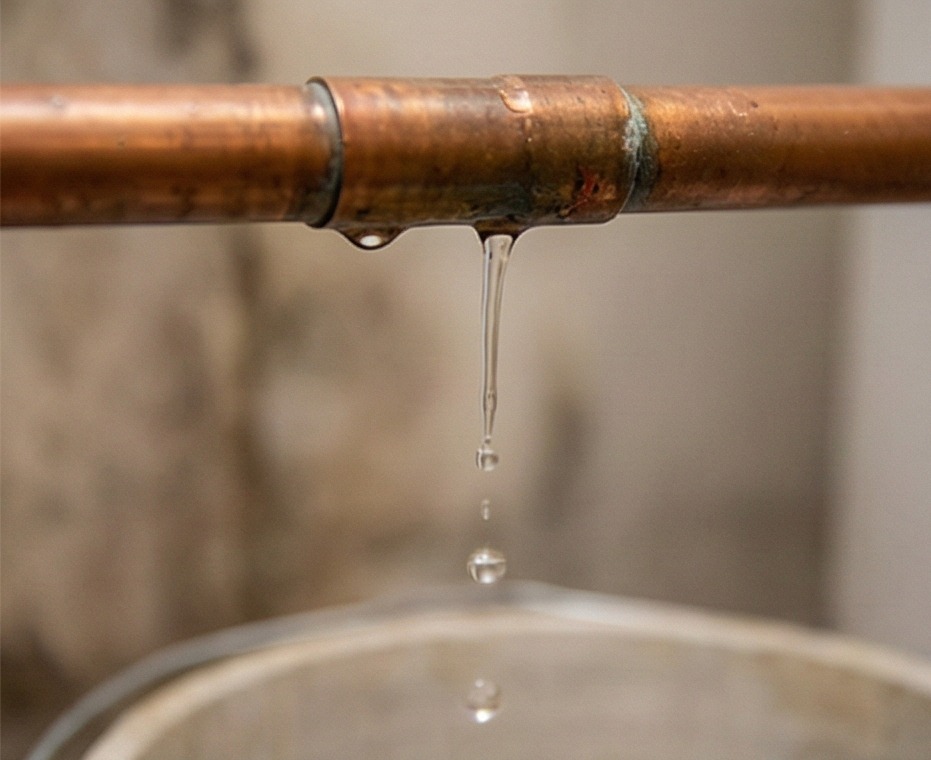
- Active leaks or unresolved moisture issues (repair should start after the source is addressed and drying is complete
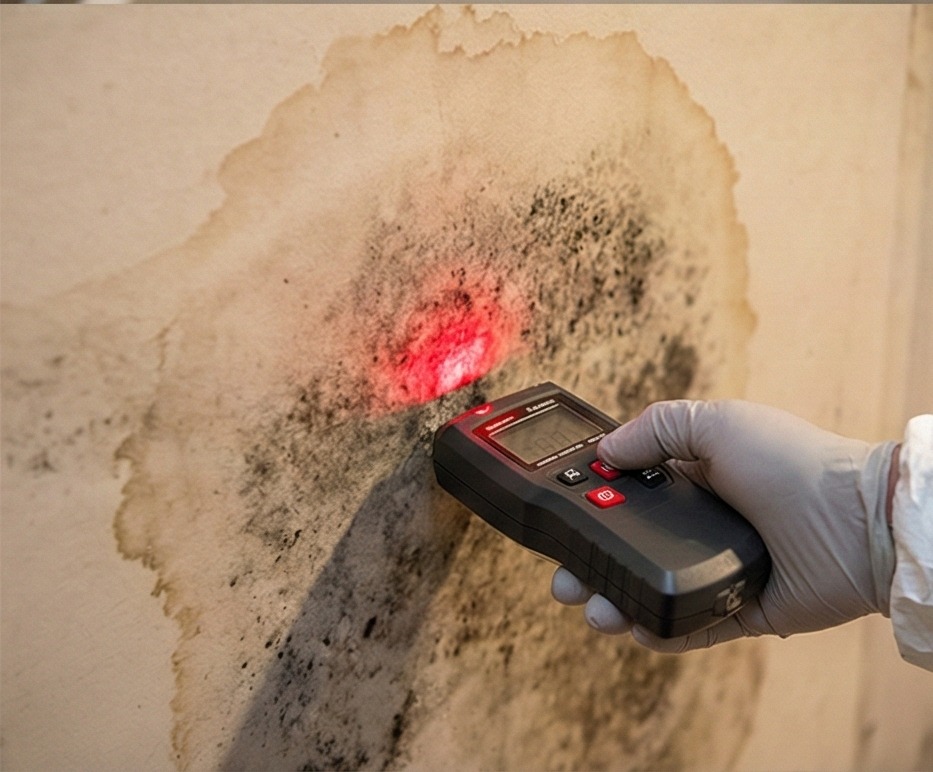
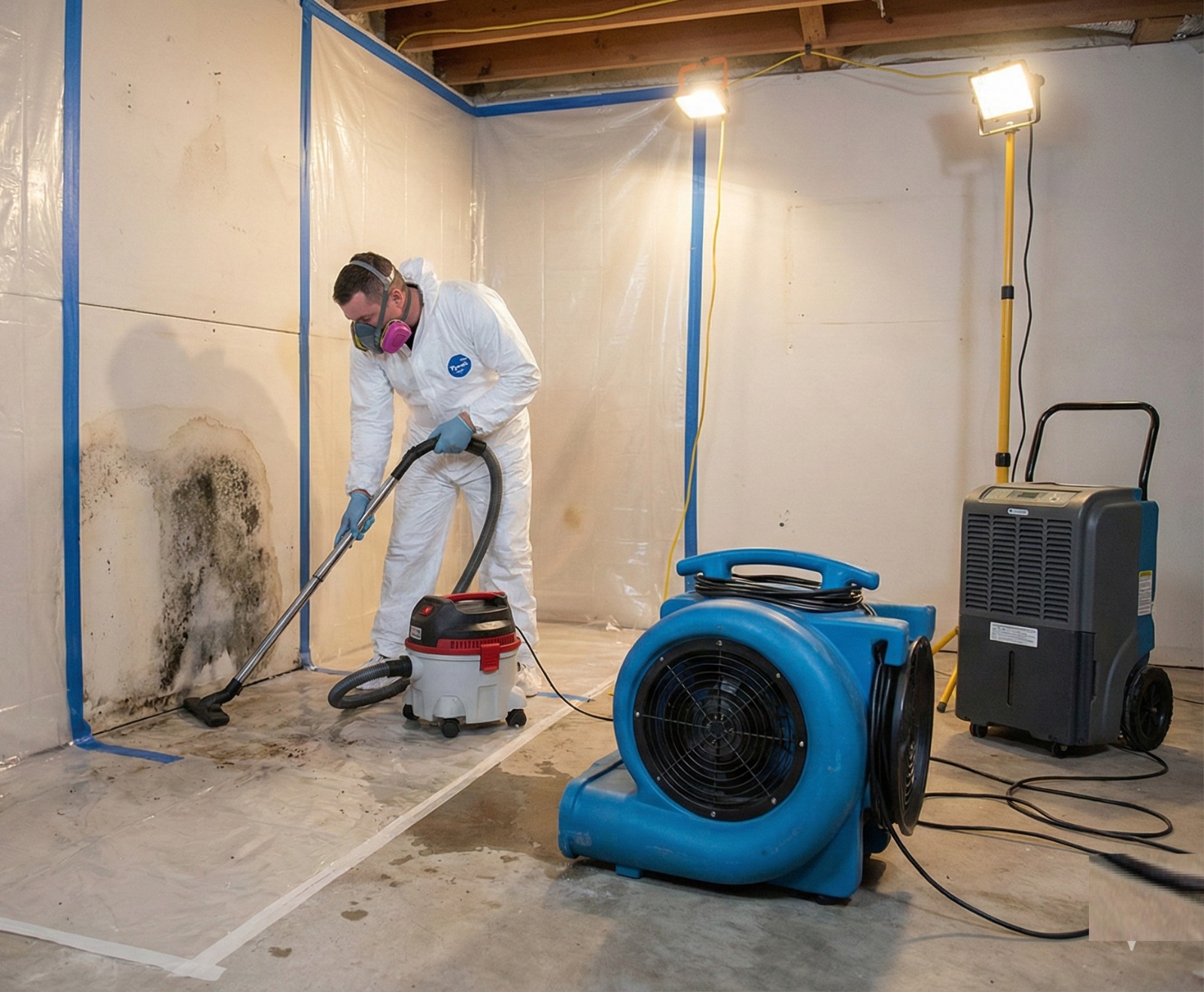
- Mold remediation protocols if a specialist is required (scope dependent)
- Lead paint testing or abatement (scope dependent, age of home dependent)
- Major framing repairs behind walls (may require a structural scope)
- Exterior painting (unless explicitly included)
- Full-house furniture moving and long-term storage unless included in scope
If the wall or ceiling damage is connected to framing movement, floor bounce, or structural shifts, address the cause first.
Finish expectations: what “good” looks like
Drywall and paint quality is mostly about consistency in lighting and angles.
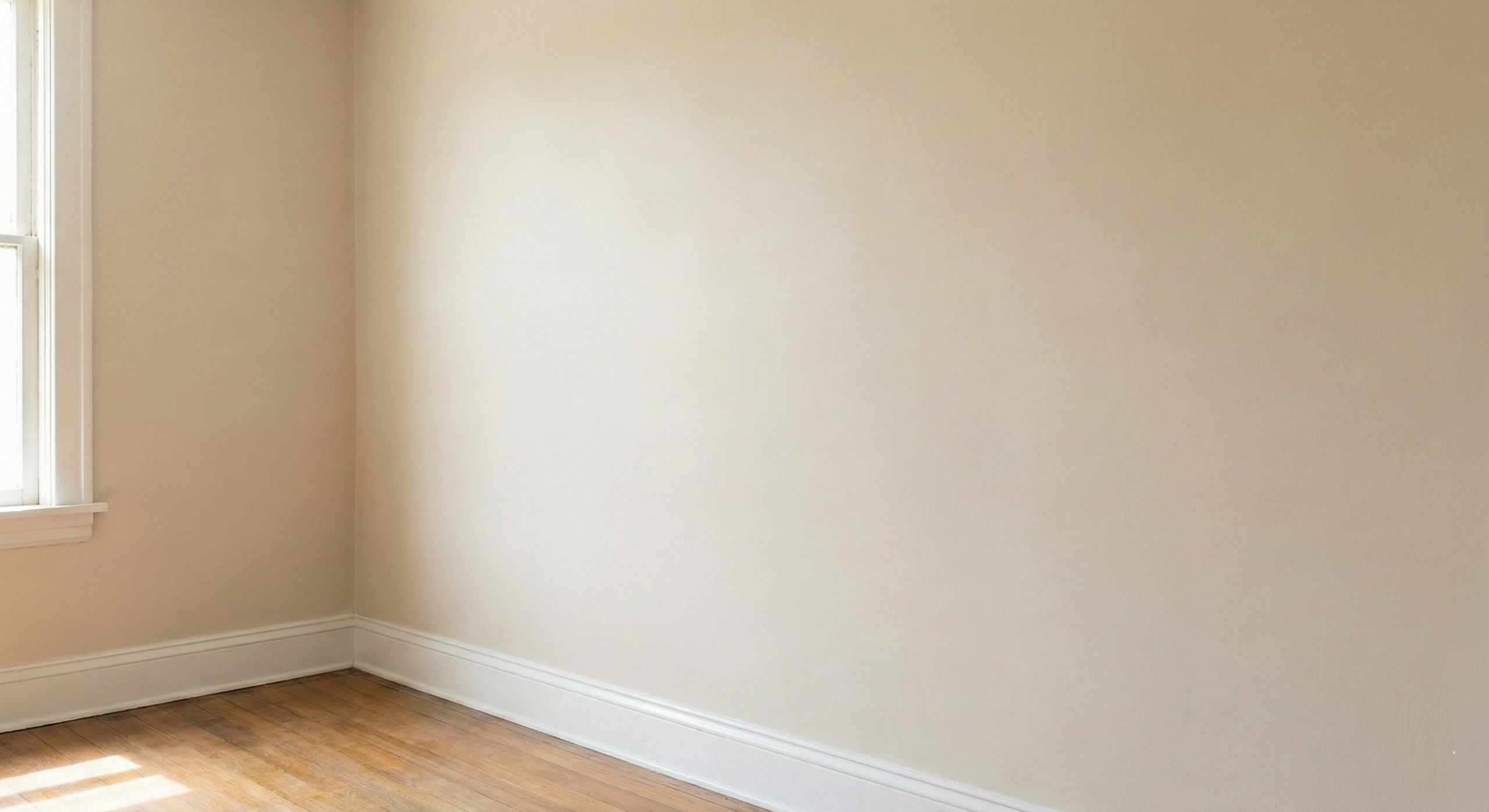
A patch can disappear head-on, but show from the side when light hits it. We plan sanding and skim work so the finish reads consistently under normal room lighting.
Texture matching is an art and it is easiest when expectations are set upfront. During scoping, we confirm what texture you have and what “match” means for your space, especially for older walls.
Sharp cut lines at ceilings, corners, and casing are a major part of the finished look. If trim is being repainted, we coordinate caulk, sanding, and coating order so it does not look rushed.
If you are pairing paint with door and trim upgrades, it helps to scope them together so sequencing is clean.
How it works
Request an estimate
Send a brief description, photos of the damage or rooms, and your address or neighborhood. Include notes about ceiling height and whether the home is occupied.
Site visit and scope definition
We confirm repair areas, texture type, and paint scope. We also identify any access constraints, like stairwells, vaulted ceilings, or built-ins.
Proposal and finish plan
You receive a written scope with inclusions, exclusions, and assumptions. We confirm what is being painted (walls, ceilings, trim, doors) and what prep is included.
Protection, prep, and execution
We protect surfaces, complete repairs, then sequence primer and paint coats. Drying times are respected so the finish cures properly.
Walkthrough and punch list closeout
We review the work with you, address final touch-ups, and close out cleanup so the room is ready to use.
What drives the cost of drywall repair and painting
Pricing varies most based on prep and access, not the paint itself.
Repair extent and complexity
A few nail holes is different from a ceiling patch, corner bead replacement, or widespread cracking. Larger repairs often require multiple visits for drying and finishing.
Texture matching and blending area
Texture work and feathering often extends beyond the visible damage so the repair disappears. The more blending required, the more labor is involved.
Height, access, and room conditions
Vaulted ceilings, stairwells, and tight access increase setup time and safety requirements. Occupied homes with heavy furniture can also add labor for protection and staging.
Prep needs
Surface prep is where quality comes from. Existing glossy paint, smoke staining, water staining, or uneven walls can require more primer and prep steps.
Coats and color changes
Dramatic color changes, higher sheen, or moving from dark to light often requires additional coats and primer decisions to avoid coverage issues.
Need assistance?
Timeline drivers and scheduling realities
Drying and cure windows
Drywall compound and certain primers need drying time. Multi-coat paint schedules also need adequate time between coats for a consistent finish.
Multi-step repair sequencing
Large patches, stain blocking, and texture work can require more than one visit. A fast timeline is possible for small work, but a quality finish often needs the right pacing.
Access constraints and occupied homes
If rooms must stay partially functional, we may phase work to keep pathways usable. That can extend duration, but it reduces disruption.
Proof: drywall and painting project examples
Project example 1
Water-stain ceiling repair and repaint
-
1
What we did
Repaired damaged ceiling drywall after drying was confirmed -
2
Used stain-blocking primer as needed, then repainted for a consistent finish -
3
Closed out with a clean walkthrough and touch-up list
Project example 2
Post-remodel drywall touch-ups with full-room repaint
-
1
What we did
Patched and blended multiple trade impacts across walls and ceilings -
2
Repainted to unify the space and remove visible patch transitions -
3
Completed final detailing at corners and trim edges
Project example 3
Trim and door refresh with wall repaint
-
1
What we did
Prepped and repainted doors and trim as scoped -
2
Repainted walls with clean cut lines and consistent finish sheen -
3
Finished with punch list closeout and cleanup
Related services
Drywall and painting often sits inside a broader plan. These pages may be relevant:
Areas we serve
Drywall repair and painting is available across our core service area:What you can expect from HomeFREA
- Jobsite protection first: floors, furniture, and adjacent surfaces are protected before repairs start
- Scope clarity: repairs, texture approach, and paint surfaces are documented so expectations are aligned
- Finish quality focus: blending, cut lines, and touch-ups are treated as part of the job, not an afterthought
- Practical scheduling: drying times and multi-coat work are planned, not rushed
- Punch list closeout: final details get completed so the room looks finished
Frequently asked questions
Small patches and single-room painting can move quickly once scope is confirmed, but larger repairs often require multiple steps for drying, sanding, texture, primer, and coats. Vaulted ceilings, stairwells, and extensive prep add time. After a site review, we provide a realistic timeline range based on your rooms and access.
Prep and repair work usually drives cost more than the paint itself. Texture matching, skim coats, stain blocking, and access challenges add labor. Paint cost changes with the size of the area and the number of coats, but the quality of the final result depends on the prep.
Protection is planned before work starts. Floors are covered, high-traffic routes are protected, and furniture is either moved and covered or staged based on the scope. Dust control is part of the plan, especially during sanding and texture work.
We start by identifying the existing texture type and the size of the blend area needed. Some textures match closely, especially when the surrounding wall is in good condition. In older homes or heavily painted walls, matching may require a broader blend zone so the finish reads consistently in typical lighting.
Yes, after the source is addressed and drying is complete. Repairs often include removing compromised drywall, patching, then using primer strategies as needed before repainting. If the issue is part of a larger water event, it is usually best to handle the rebuild sequence under water damage repair first.
We can scope walls only, or include trim, doors, and casing. The important part is to define it clearly in the proposal so you are comparing bids properly. If trim profiles are being replaced or upgraded, coordinate that work first so paint is not redone later.
Clear small items from counters and shelves, and decide which rooms need access first. If you have specific paint colors, have them ready. If you are unsure, we can still scope the work, but final color decisions should be made before paint begins to avoid delays.
Ready to repair and repaint?
Send photos of the areas you want repaired or painted, include notes about ceilings and stairs, and share your rough timeline. We will confirm scope, outline prep needs, and walk you through next steps for an estimate.