
Doors Trim
Upgrade your interior doors, casing, and baseboards with clean reveals and tight joints. HomeFREA installs doors and trim with clear scope, coordinated scheduling, and jobsite protection across Raleigh, Cary, Apex, Holly Springs, Wake Forest, Durham, and Fuquay-Varina. Request an estimate.
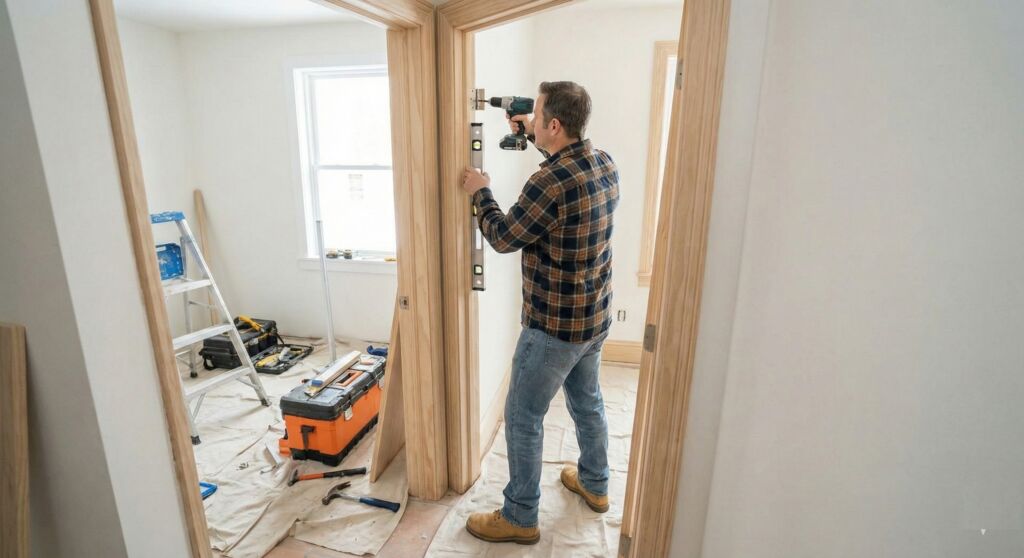
When an ADU is the right fit
Homeowners pursue ADUs for different reasons, but the goal is usually the same: create a separate space that works day to day. Common use cases include:
If you are adding space that is more directly connected to the main home, you may be better served by a traditional addition.
- A private space for family members
- Guest space that is more functional than a spare bedroom
- A dedicated home office or studio with separation from the main house
- Long-term flexibility for changing needs over time
Common exclusions to clarify early
Door and trim proposals are hard to compare when “finishing” is not defined. These items should be clearly included or excluded in writing:
- Door and trim material supply if the homeowner is purchasing materials
- Hardware supply (hinges, handles, latches, stops) unless specified
- Full-room or whole-home painting unless included
- Major drywall flattening or wall rebuild work beyond small touch-ups
- Structural corrections that require a separate repair scope
- Specialty custom millwork beyond the defined trim package
If you need door and trim as part of a larger remodeling scope, it may be simpler to bundle it under the primary project plan.
Options to consider before scoping

Attached vs. detached
- Detached ADU: Often maximizes privacy and separation from the main home. Site access and placement matter.
- Attached ADU: Can leverage existing walls and access points, but tie-ins and integration can add complexity.

Basic vs. upgraded finishes
Finish level is one of the biggest scope drivers. A basic finish package is different from an ADU with higher-end flooring, extensive tile, built-ins, and upgraded fixtures. Defining the finish level early reduces change orders and helps keep the schedule realistic.

Kitchen and bath density
The number of wet areas matters. A compact ADU with a simple bath differs from one that includes a full kitchen and additional bath features. More fixtures and more tile generally increase complexity and time.
Related service pages that often influence ADU finishes:
How it works
Request an estimate
Send a short description of what you want to replace, photos of the doors and trim, and your address or neighborhood. Include the number of doors and which rooms are involved.
Site visit and measurement confirmation
We verify sizes, swing direction, jamb conditions, and trim details. If floors are uneven or walls are not square, we flag what that means for fit and finishing.
Proposal with clear inclusions
You receive a written scope that specifies door type (slab vs prehung), trim profile approach, hardware inclusion, and any paint touch-up expectations.
Scheduling and sequencing
We schedule installation around flooring and painting when relevant so the finish work lands cleanly. Door lead times are accounted for when materials are special order.
Install, walkthrough, punch list closeout
We complete installation, verify operation and fit, and walk the work with you. Final adjustments and touch-ups are documented and closed out.
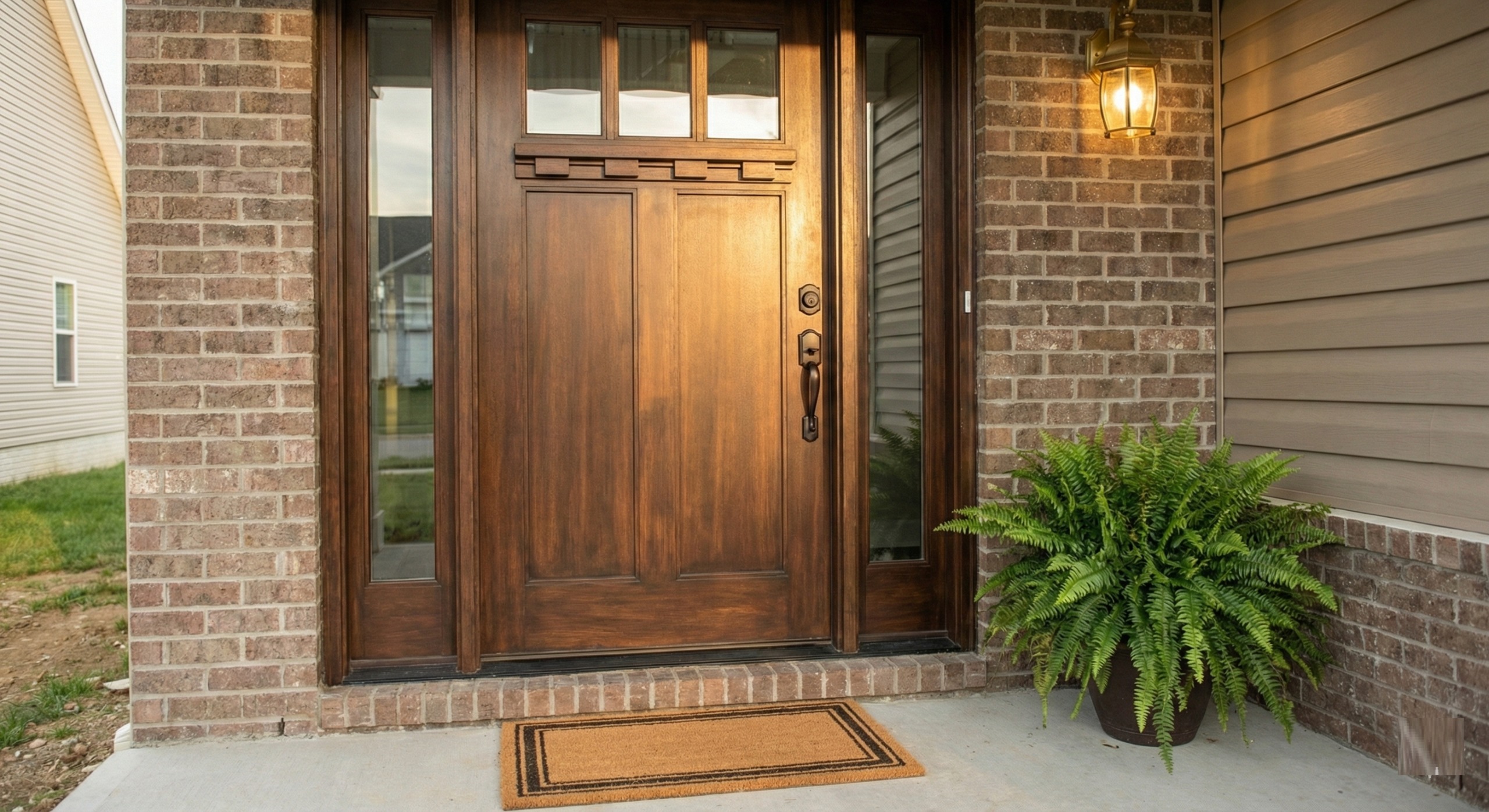
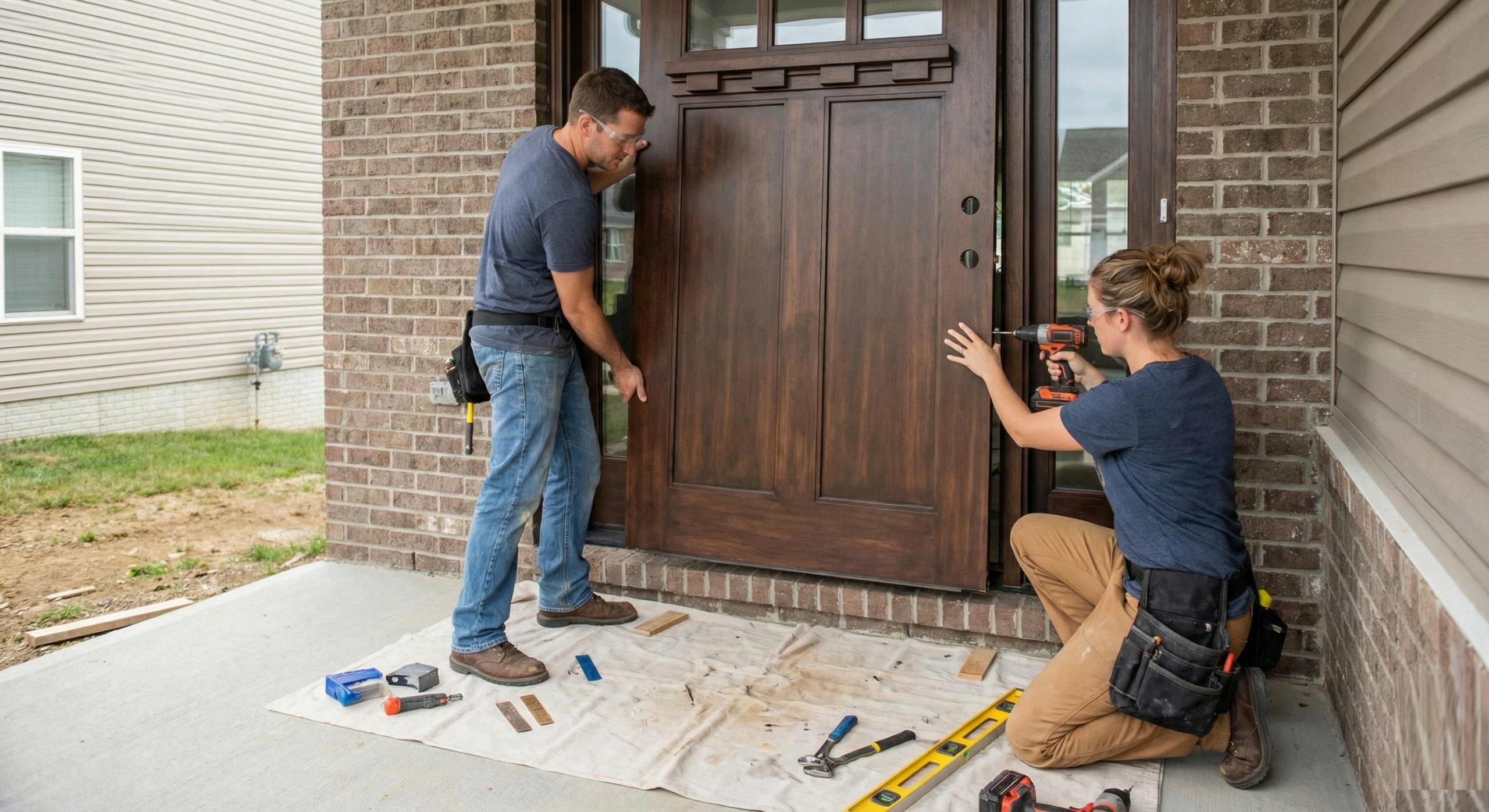
What drives door and trim installation cost
Door and trim pricing depends less on materials and more on conditions and detail work. Common cost drivers include:
Quantity and scope breadth
Replacing a few doors is a different job than a full interior package across multiple rooms, closets, and hallways.
Door type and fit complexity
Prehung door replacements can require more adjustment when existing openings are not plumb or are out of square. Slab replacements can be efficient in some conditions, but hinge placement and alignment still matter.
Trim profile complexity
Simple profiles install faster than layered casings, tall baseboards, or detailed returns. More profile detail usually means more cuts, more joints, and more finishing time.
Wall and floor conditions
Uneven floors affect door undercuts and baseboard runs. Wavy walls affect how tightly trim can sit. Good finish carpentry accounts for these realities with fit strategies, but they add labor.
Hardware grade and inclusion
If hardware installation is included, the number of locksets, privacy sets, hinges, and any specialty features affects labor time.
Need assistance?
Timeline drivers and scheduling realities
Door and hardware lead times
Special-order sizes, styles, or matching hardware can extend the schedule. Confirming selections early reduces delays.
Sequencing with paint and flooring
Trim install before paint is typical when painting is included. Flooring thickness can affect baseboard placement and door clearances, so flooring timing matters when both scopes are involved.
Condition surprises
Once old trim is removed, you may see gaps, damaged drywall edges, or inconsistent jamb conditions that require additional prep. Clear scope assumptions keep this manageable.
Proof: doors and trim project examples
Project example 1
Multi-door replacement with consistent fit and hardware alignment
-
1
What we did
Verified openings and corrected fit issues during install -
2
Set hinges and strike plates for smooth close and consistent gaps -
3
Completed final adjustments and walkthrough closeout
Project example 2
Trim refresh tied to new flooring
-
1
What we did
Coordinated baseboard scope and transitions with the flooring plan -
2
Installed baseboards and casing with clean joints and consistent lines -
3
Planned touch-ups to leave a finished look
Project example 3
Doors and casing completed after drywall repairs and repaint
-
1
What we did
Sequenced trim install after wall repairs so edges stayed clean -
2
Coordinated paint touch-ups per the defined scope -
3
Closed out with a punch list process
Related services
Doors and trim often connect to other interior scopes. These pages may help you plan sequencing:
Areas we serve
Doors and trim installation is available across our core service area:
What you can expect from HomeFREA
- Clear scope per door or per room so you know exactly what is included
- Finish-detail focus on consistent reveals, clean joints, and doors that operate properly
- Jobsite protection to keep floors, walls, and adjacent finishes safe during install
- Coordination with paint and flooring when those scopes are part of the project
- Punch list closeout so the last details are handled, not left behind
Frequently asked questions
Most variation comes from scope definition and existing conditions. One quote may include hardware installation, jamb adjustments, and paint touch-ups, while another excludes them. Wall flatness and floor level also affect labor. Ask for a written list of inclusions, exclusions, and assumptions so you can compare bids accurately.
Timeline depends on door type, quantity, and opening conditions. Prehung replacements can take longer if openings are out of square or if jamb work is required. Slab replacements can be efficient when frames are in good shape. Once scope and materials are confirmed, we provide a realistic schedule and sequencing plan.
Hardware may be included when specified, including hinges, handles, and strike alignment. Painting varies widely. Some projects include only caulk and limited touch-ups, while others include full trim and door painting as a separate scope. If you want a finished, uniform look, plan door and trim painting intentionally.
Uneven floors can affect door clearance and baseboard lines. Uneven walls can create gaps behind trim. We plan fit strategies during the site visit, which may include scribing, adjusting reveals, or setting realistic expectations for older homes. If the underlying issue is structural movement, address that first so finishes do not repeat-fail.
It depends on the scope, but in many cases flooring affects baseboard height and door clearances. If you are replacing floors, it is often cleaner to plan flooring first, then install baseboards and finalize door undercuts. We coordinate sequencing to reduce rework and protect new finishes.
Both are possible. Some homeowners replace only problem doors first, while others upgrade doors and trim across multiple rooms for consistency. The important part is defining the scope clearly so hardware, casing, and paint expectations match the budget and timeline.
Clear access around doorways, remove wall hangings near trim areas, and decide on hardware and trim profiles if they are changing. If you are coordinating paint, confirm colors and sheen decisions ahead of time. Photos of the existing trim and a count of doors helps speed up quoting.
Yes. Doors and trim often come near the end of a remodel and need to align with flooring, tile edges, cabinets, and paint. If your project spans multiple scopes, we coordinate sequencing so the finish work lands cleanly and closeout is smoother.
Ready to replace doors or upgrade trim?
Send the number of doors, photos of the openings and existing trim, and the rooms involved. If you already know the door style and trim profile you want, include that too. We will confirm scope, flag any condition constraints, and outline next steps for an estimate.