
Deck Building
A deck should feel solid underfoot, safe at the rails, and clean at the details. The best-looking boards do not matter much if the structure is questionable or the scope was not clear from day one. HomeFREA builds decks with a focus on safety, sound structure, and finish details that hold up. We define what is included, confirm site conditions, and coordinate the work so you get a deck that fits your home and how you use the space.
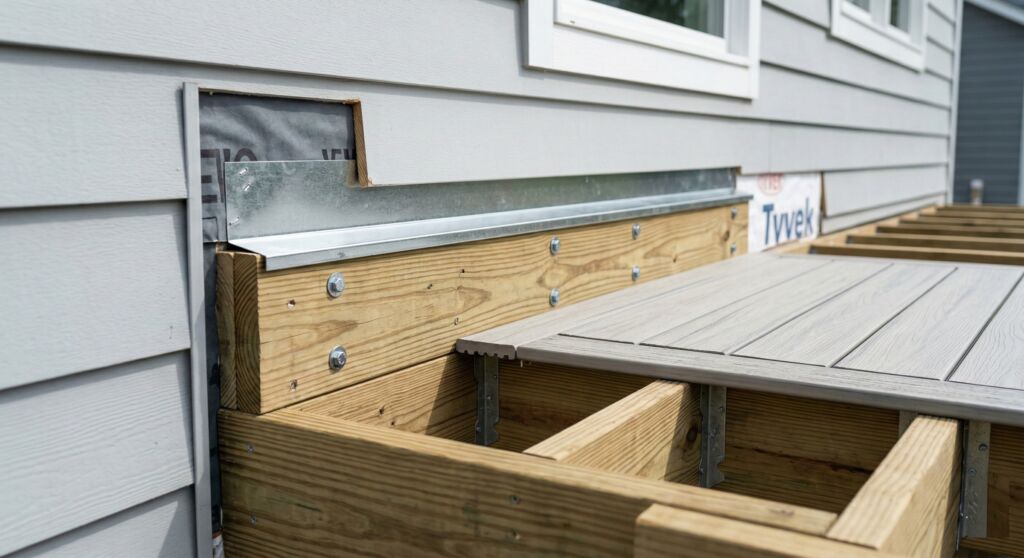
About renovation
When deck building is the right fit
A new deck or rebuild is a good fit when:
If you are expanding living space and want a larger footprint tied into the home, you may also want to consider an addition.
- Your current deck feels soft, bouncy, or uneven
- Railings feel loose or outdated and you want better safety and usability
- The layout does not work for how you use the yard or back door access
- You want to upgrade materials for lower maintenance
- You need stairs or landings that are more comfortable and consistent
What’s typically included
Every project is scoped to the home and goals, but deck building commonly includes the items below.
- Framing and structural components
- Decking installation
- Railings and guard details
- Stairs and landings as needed
- Footings or supports as applicable to the project
- Jobsite cleanup and closeout
- Site visit and scope confirmation
- Layout planning based on access, height, and use
- Material coordination and lead-time awareness
- Final walkthrough and punch list closeout
If your deck project involves exterior door transitions, trim alignment, or finish details at the entry point, these services can overlap:
Clear exclusions help you compare estimates and avoid surprises mid-project. Depending on your scope, the following may be excluded or handled separately:
- Landscaping, grading, or drainage work outside the defined deck scope
- Extensive demolition beyond what is specified
- Repairs to unrelated structural issues discovered away from the deck area
- Specialty electrical or lighting packages that are not included in the scope
- Permit fees or third-party requirements (these vary and should be documented clearly)
If the deck ties into areas with existing movement or damage, the right first step may be structural repair planning.
Options that affect design, cost, and maintenance
Deck choices are not only about looks. They shape maintenance expectations, comfort, and the total scope.
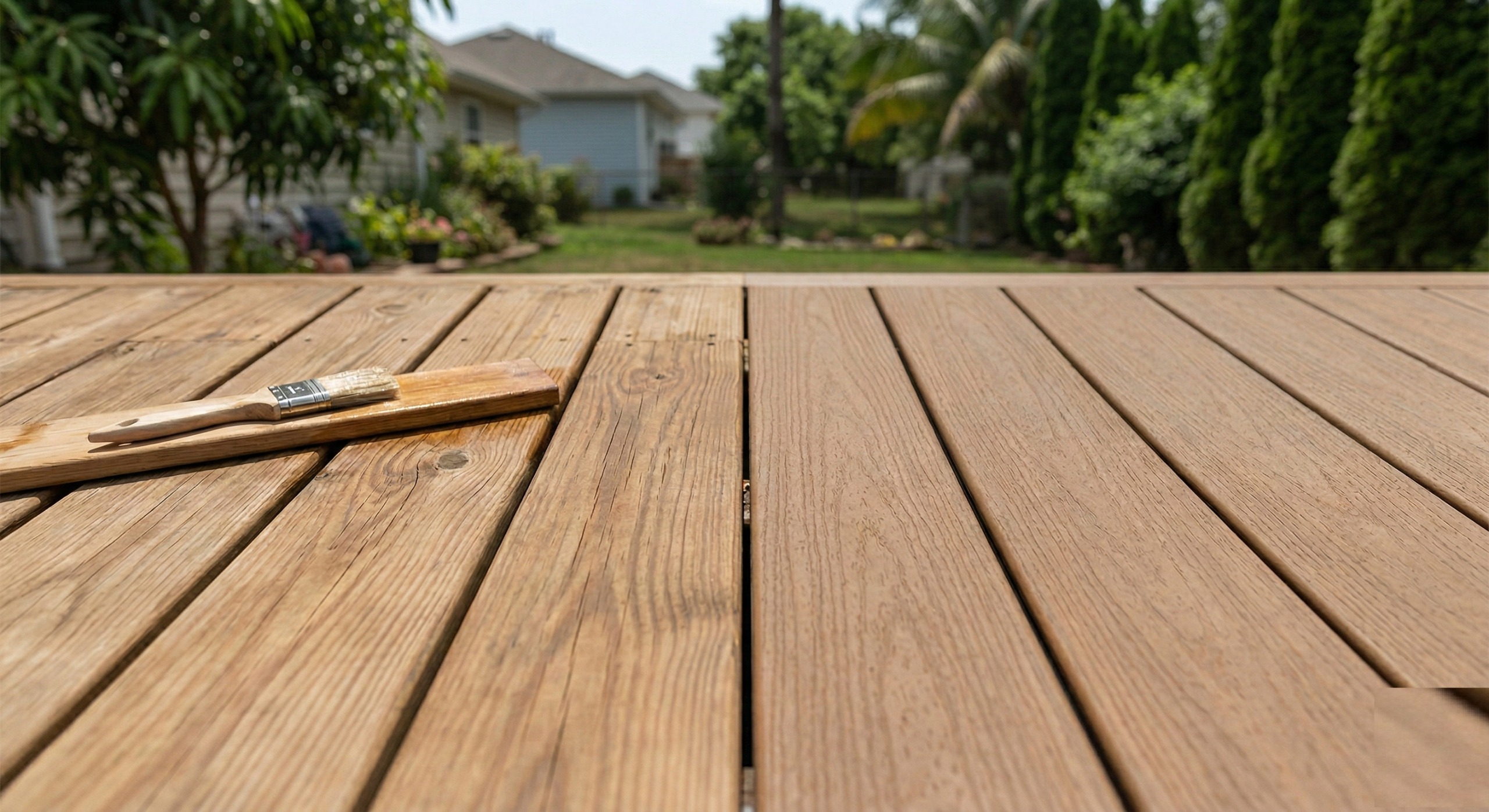
Wood vs. composite (high level)
- Wood can be cost-effective upfront, with maintenance requirements that vary by product and exposure.
- Composite is often chosen for lower ongoing maintenance and long-term consistency, but material cost is typically higher.
The best fit depends on budget, sun exposure, and how you plan to maintain the space.
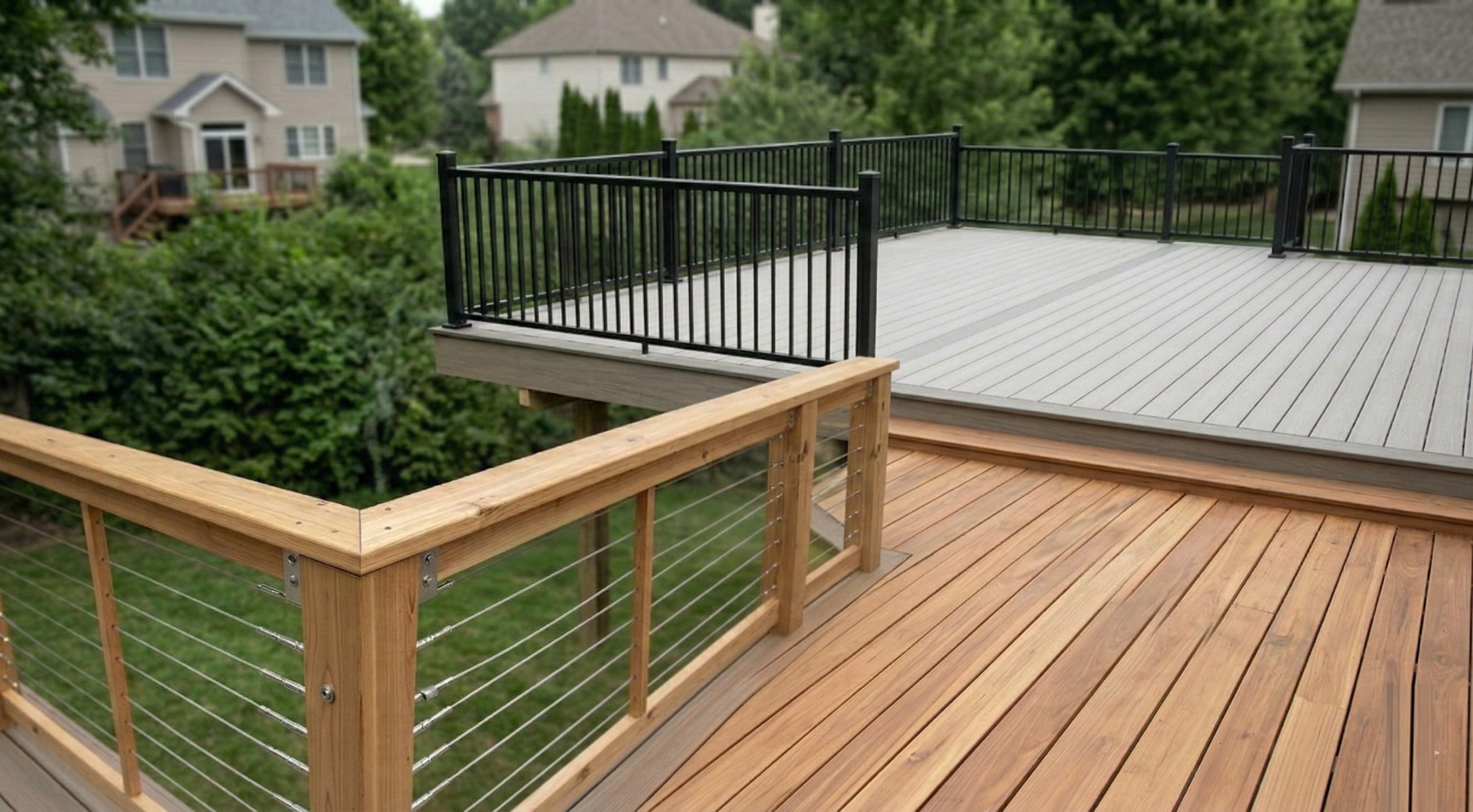
Railing types
Railings affect both safety and cost. Common variables include:
- Simple, straightforward rail layouts versus multi-section layouts
- Corner details and transitions
- The number of stair runs and landing connections
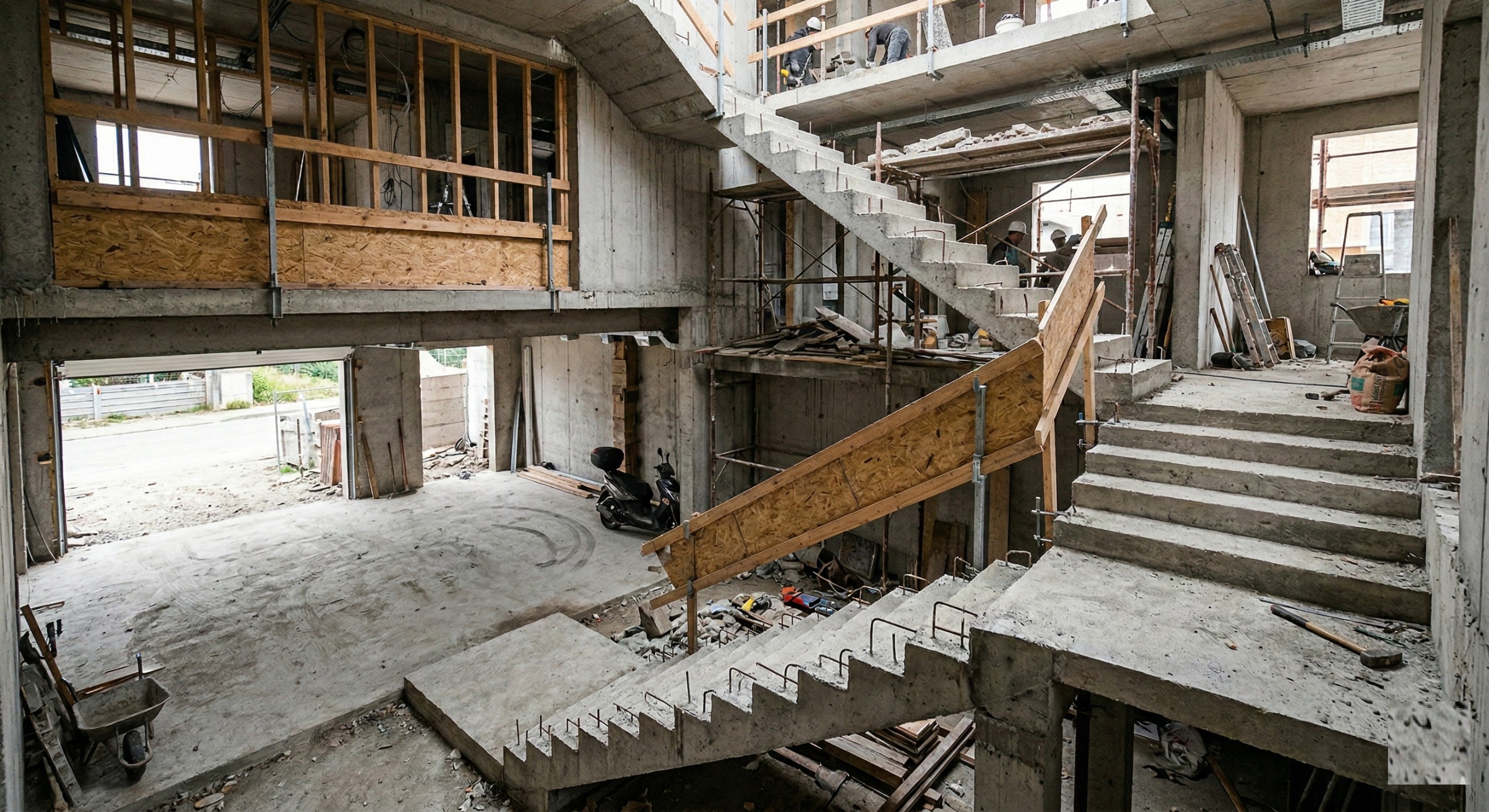
Stairs and landings
Stairs become a major driver when the deck is elevated, access is tight, or the layout needs multiple landings. Good stair geometry and consistent alignment matter for comfort and safety.
How it works
Deck projects move faster when scope is defined early and materials are selected with lead times in mind.
Request an estimate
Send a short description, photos of the existing deck area, and your rough timeline.
Site visit and scope confirmation
We confirm existing conditions, deck height, access constraints, and any tie-in considerations. This is where we lock down the scope so pricing is accurate.
Proposal and material plan
You receive a written scope with clear inclusions. If material lead times affect schedule, we call that out before you commit.
Scheduling and build sequencing
We schedule the work around material delivery and weather windows. If inspections are required, we plan for those checkpoints.
Build, walkthrough, punch list closeout
We complete the build, review details with you, and finish punch items so the project ends cleanly.
What drives deck building cost
Deck pricing is heavily influenced by structural and access realities, not just the surface area.
Size and height
Larger decks require more materials and labor. Height also matters because elevated decks typically require more structure, more railing, and longer stair runs.
Railing complexity
Railings are often one of the biggest variables after framing and decking. More linear feet, more corners, and more transitions add time and material.
Stairs and landings
Stair count, stair height, and landing complexity can increase cost quickly. Comfort and safety depend on consistent build quality here, so it is not an area to cut corners.
Access and site conditions
Tight access, steep grades, or difficult staging conditions can change labor efficiency and sequencing.
Material choice
Material selection affects both upfront cost and ongoing maintenance expectations. A clear material decision early also helps keep timelines predictable.
If your deck project is part of a larger expansion, you may want to review addition planning and scheduling drivers as well:
Need assistance?
Timeline drivers and scheduling realities
Deck schedules are generally straightforward, but these items commonly affect timing:
Material lead times
Some decking and railing packages have longer lead times, especially if you are selecting specific colors, profiles, or matching systems.
Weather windows
Exterior work depends on practical weather conditions. We plan sequencing to reduce exposure risk and keep work progressing when conditions are workable.
Inspection scheduling (if required)
If a permit and inspection are required for your scope, inspection timing becomes a schedule checkpoint. We build around those milestones to avoid downtime.
Scope clarity at the start
Deck projects slow down when scope changes mid-stream, such as adding stairs, changing railing types, or expanding the footprint after materials are ordered. Clear scope prevents that.
Proof: deck project examples
Publishing note: Replace placeholders with real photos and details as you build your portfolio library.
Project example 1
Deck rebuild with upgraded railings
-
1
What we did
Rebuilt framing and installed new decking with clean board alignment -
2
Installed updated railings and addressed corner transitions -
3
Completed final walkthrough and punch list closeout
Project example 2
Elevated deck with stairs and landing
-
1
What we did
Built structure and supports with attention to stiffness and alignment -
2
Installed stairs and landing for safer access and better flow -
3
Coordinated scope so railing and stair details matched consistently
Project example 3
Deck and exterior transition details
-
1
What we did
Coordinated deck height and layout with exterior entry considerations -
2
Managed finish details at the transition point for a cleaner look -
3
Closed out with a punch list focused on safety and finish quality
Related services
Deck building often overlaps with these services, depending on how the deck connects to the home and what is being expanded.
Areas we serve
Deck building is available across our core service area. Start with your local page for planning notes and common project types.
What you can expect from HomeFREA
A good deck project is built on fundamentals that stay consistent.
- Scope clarity up front
We document inclusions and exclusions so the estimate is easier to compare and the project is easier to manage. - Safety and structural focus
We prioritize structure, railings, and stairs so the deck feels stable and safe for daily use. - Clean finish details
Board alignment, transitions, and consistent railing and stair details matter, and we treat them as part of the scope. - Jobsite protection and cleanup
Exterior work still affects the home. We keep the site organized and include cleanup as part of the routine. - Communication cadence
You will know what is happening next, what decisions are needed, and what could affect timing.
Frequently asked questions
Some deck scopes require permits and inspections, especially when structure, height, or footings are involved. Requirements vary by project and jurisdiction. During scoping, we will confirm whether permitting is likely and plan around inspection checkpoints if they apply so the schedule stays realistic.
Wood can be less expensive upfront, with maintenance requirements that depend on product choice and exposure. Composite typically costs more in materials, but many homeowners choose it for lower ongoing maintenance and long-term consistency. The right option depends on budget, sun exposure, and how you want to maintain the deck over time.
Timeline depends on deck size, height, stairs and landings, and material lead times. Weather can also affect exterior work windows. Once scope and materials are confirmed, we provide a practical timeline range and explain the specific drivers that could extend it, such as inspection checkpoints or special-order railing systems.
Railings and stairs are sensitive to layout complexity. More linear feet, more corners, multiple stair runs, and higher decks typically increase scope. Comfort and safety also depend on consistent build quality, so time spent on alignment, secure connections, and clean transitions is part of what you are paying for.
We confirm access and site constraints during the site visit, including deck height, grade, staging space, and tie-in considerations. Tight access or difficult terrain can affect labor efficiency and sequencing, so we account for that early. The goal is an estimate and a plan that matches real conditions.
Ready to plan your deck?
Send a short description of what you want to build or replace, upload photos, and include your rough timeline. We will confirm scope, discuss material options, and outline next steps for an estimate.