
Bathroom Remodeling
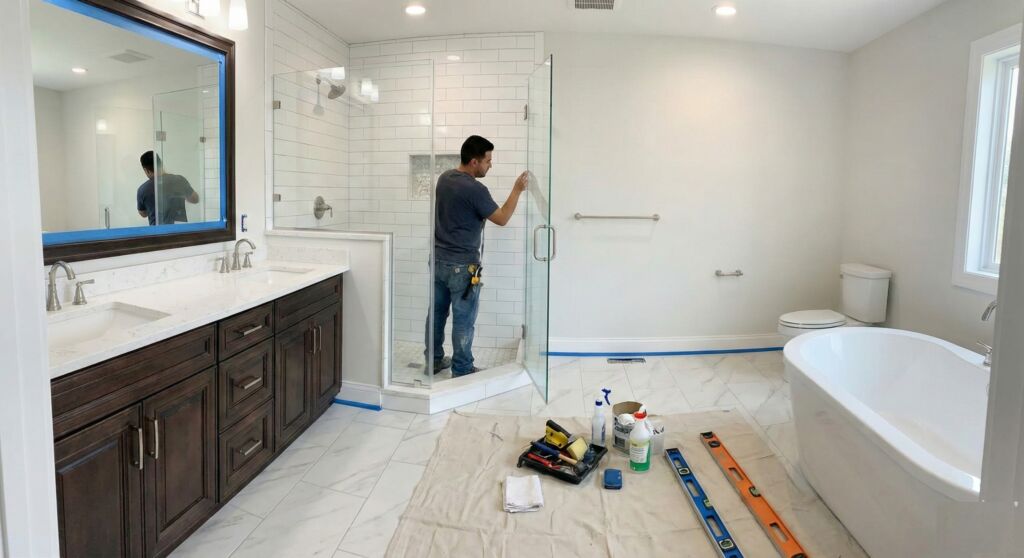
Bathroom remodeling looks simple on paper, but bathrooms are small, detail-heavy spaces with tight tolerances and real sequencing constraints. Waterproofing has to be right. Tile needs a properly prepared substrate. Fixtures and ventilation have to land cleanly at the end, not get forced in midstream. HomeFREA manages bathroom remodels with clear scope, practical scheduling, and coordinated trades so the work flows in the correct order and closes out cleanly.
When bathroom remodeling is the right fit
A bathroom remodel is usually the right move when function, comfort, or condition is no longer working for you. Common reasons homeowners remodel include:
If your bathroom remodel is part of a multi-room plan, it may be better to start at the whole-home level so sequencing across rooms is cleaner.
- Aging finishes, cracked tile, or persistent grout issues
- A shower that leaks, feels dated, or is difficult to keep clean
- Poor ventilation that leads to moisture problems
- A layout that wastes space or does not fit daily routines
- A need for more durable, lower-maintenance finishes
- A refresh that ties into a broader interior update
What’s typically included
Every bathroom is scoped to the home and goals, but these are the most common inclusions in a bathroom remodeling project.
- Site visit and scope confirmation
- Sequencing across trades and key dependencies
- Selection timing guidance for long-lead items
- Walkthrough and punch list closeout
- Selective demo and jobsite protection
- Rough-in coordination at a high level (plumbing and electrical as required by scope)
- Shower or tub build coordination, including waterproofing steps
- Tile installation coordination (walls, floors, and wet areas as scoped)
- Ventilation considerations and coordination as needed for the scope
- Vanity or cabinet installation coordination where included
- Drywall repair, finishing, and interior painting where needed
- Flooring tie-ins and transitions as scoped
- Fixture installation and final finish details as scoped
- Cleanup and closeout
Related services that commonly appear within bathroom scopes:
Bathroom bids can look similar while covering different work. Clear exclusions and assumptions make it easier to compare.
Depending on your project, these items may be excluded or handled separately:
- Architectural design or stamped engineering (only if required for structural changes)
- Specialty fixtures or materials outside the defined selections
- Unknown conditions behind walls or under floors that cannot be verified until demo
- Work outside the bathroom footprint unless explicitly included
- Permit fees or third-party requirements that vary by jurisdiction (should be documented clearly)
If your bathroom scope includes structural concerns or repair needs discovered during demo, review boundaries here:
Structural Repairs
Options that shape your scope and finish level
Bathrooms feel “high end” or “builder basic” mostly because of a few decisions made early. These are common choices that change scope, budget, and schedule.
Shower conversions
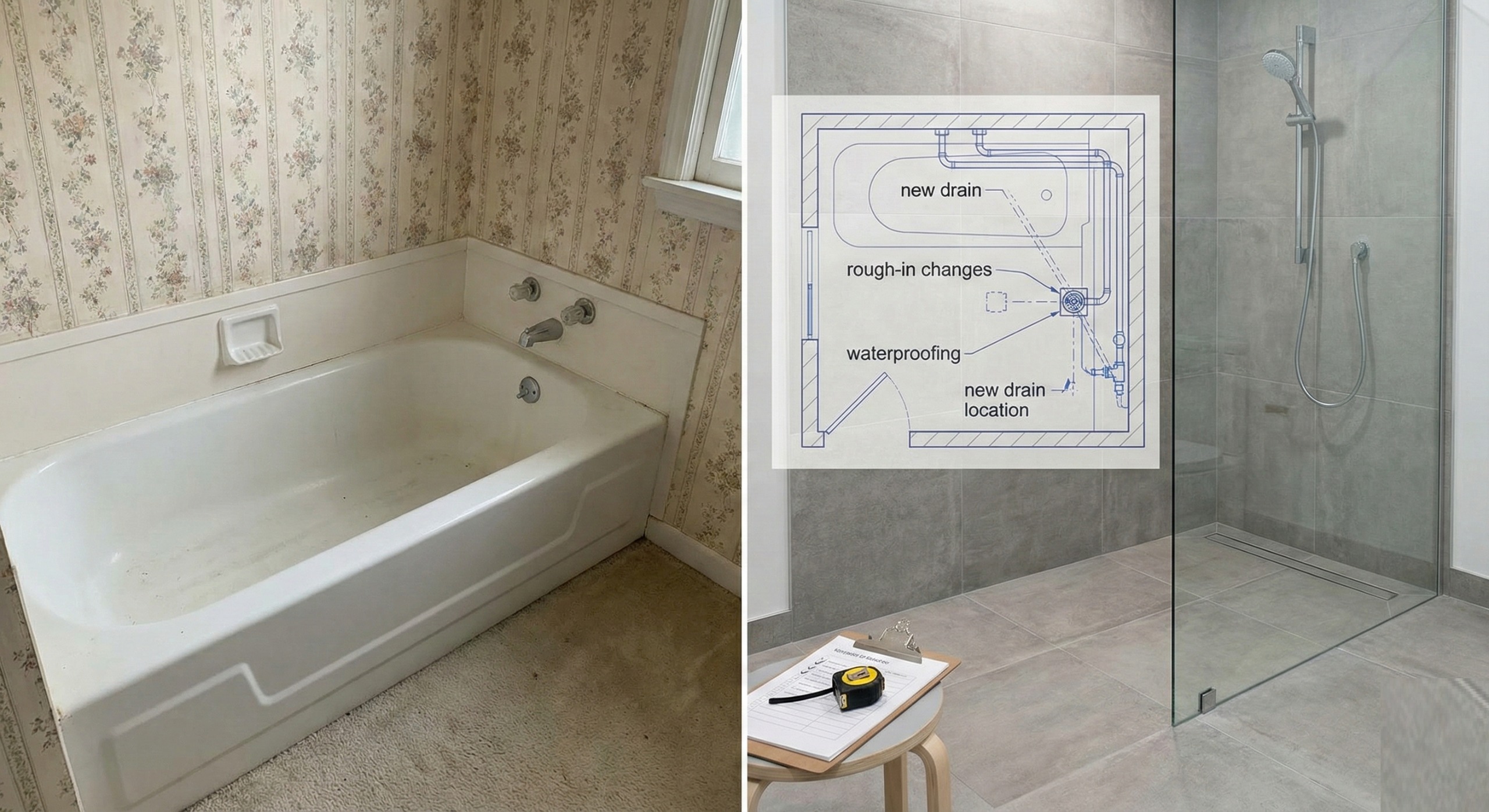
A tub-to-shower conversion can improve function and accessibility, but it can also change rough-in locations, waterproofing scope, and the tile plan. During scoping, we confirm what is staying, what is moving, and how the shower will be built and finished.

Tile vs. surround (high level)
- Tile offers more design flexibility and can elevate the room, but tile scope and layout complexity can increase labor.
- Surround systems can simplify the finish scope, depending on the product and the existing conditions.
The right choice depends on budget, maintenance goals, and the look you want.

Niche, bench, and detail add-ons
Niches, benches, shelves, and custom edges add function and a cleaner look, but they also increase waterproofing and tile detail work. If you want them, decide early so framing and waterproofing are planned from the start.
Vanity and storage upgrades
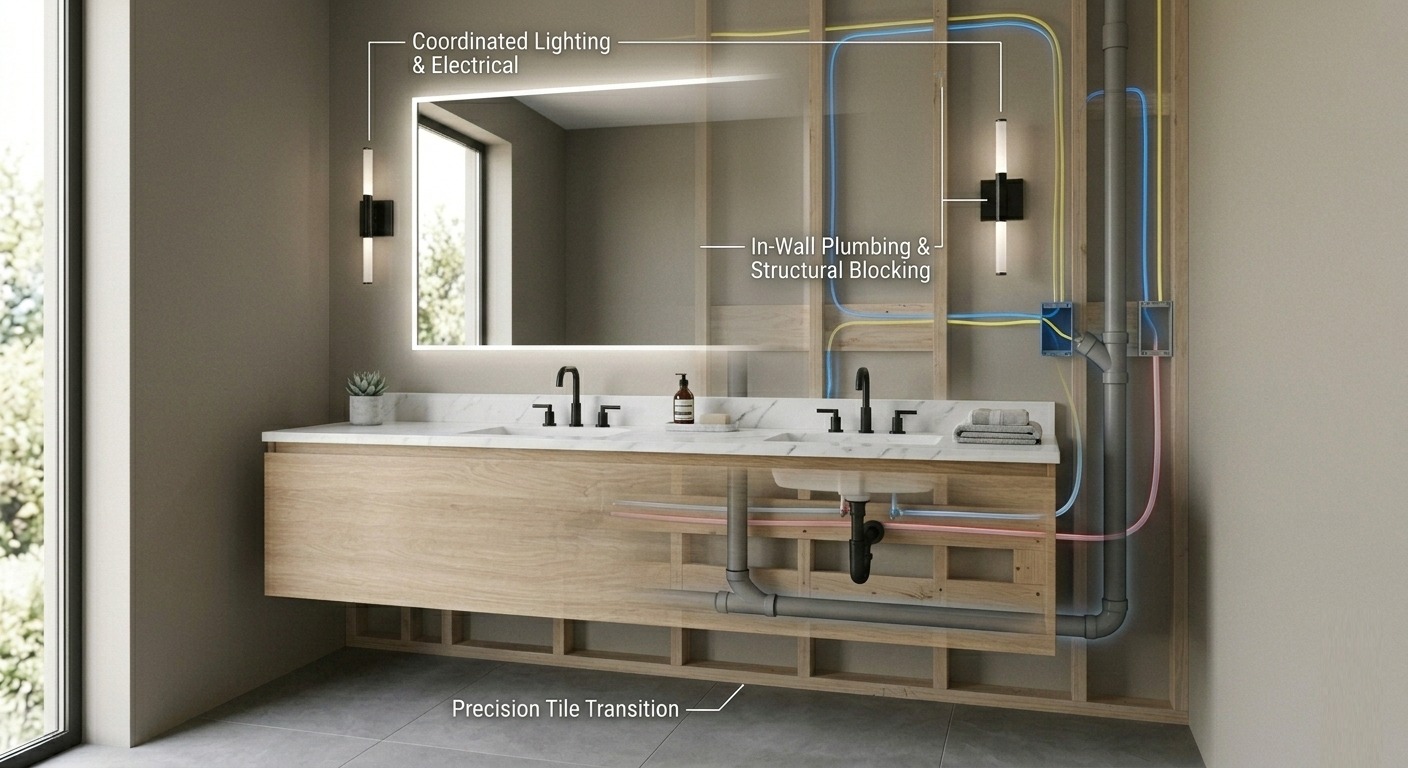
Changing the vanity affects plumbing, electrical, mirror and lighting placement, and sometimes flooring transitions. If storage is a priority, define it upfront so the layout supports daily use, not just a photo.
If tile is a major part of your plan, this page provides a deeper view of prep and layout considerations: Tile Installation
How it works
Bathrooms run best when the process is predictable and decisions are made before they become schedule blockers.
Request an estimate
Send a short description, photos, and your rough timeline. Include your address or neighborhood.
Site visit and scope definition
We confirm existing conditions, talk through layout goals, and identify constraints that affect sequencing. This is where we define what is changing, what is staying, and how finishes will be executed.
Proposal and selections plan
You receive a written scope with clear inclusions and assumptions. We flag selections that affect lead times, including tile, fixtures, and vanity components.
Scheduling and trade sequencing
We coordinate the trade flow so rough-ins, waterproofing, tile, and finishing work do not overlap incorrectly. Cure times and inspection steps are accounted for when applicable.
Build, walkthrough, punch list closeout
We complete the remodel, walk the space with you, document final items, and close them out so the bathroom is finished, not almost finished.
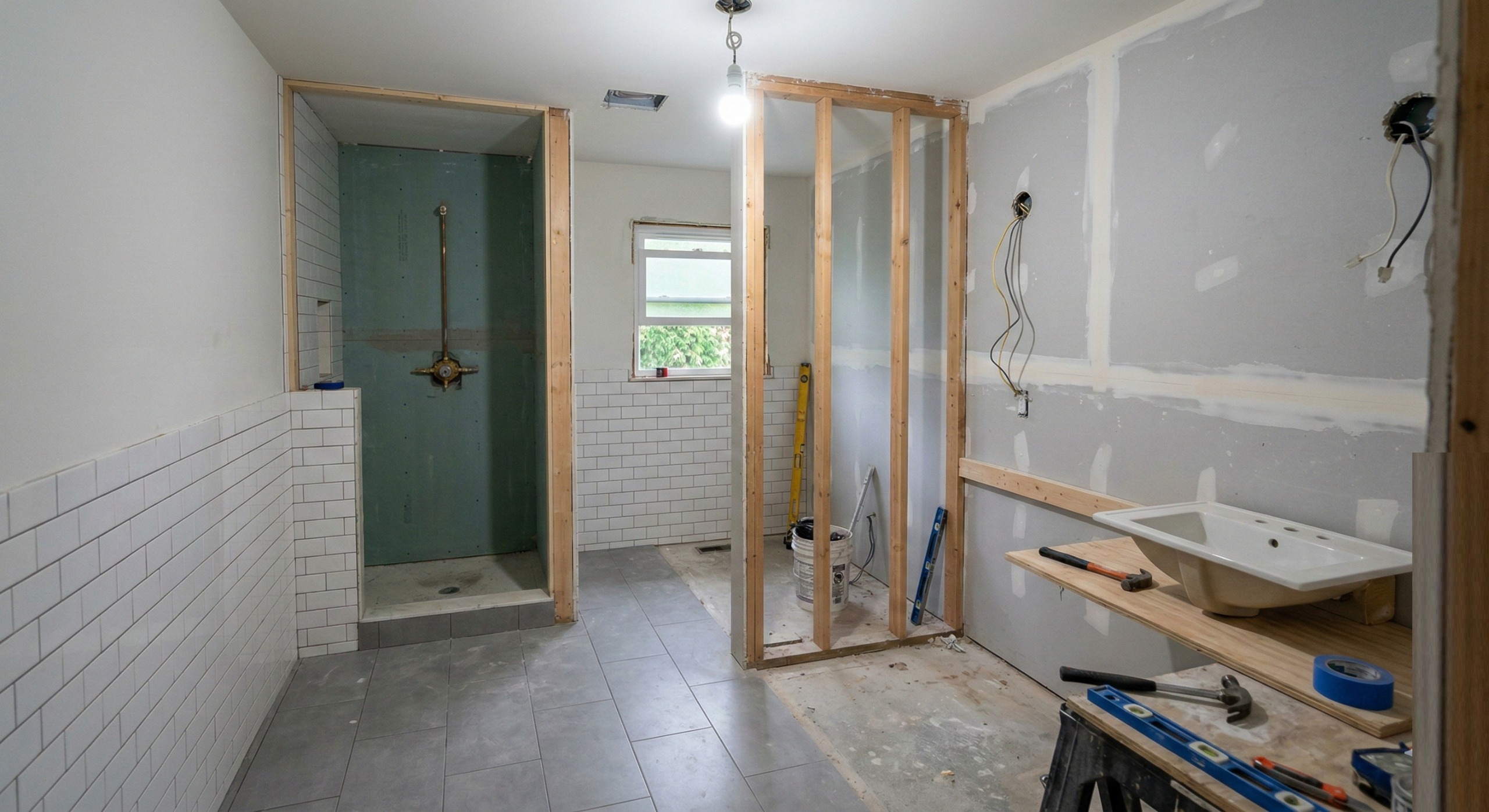
What drives bathroom remodeling cost
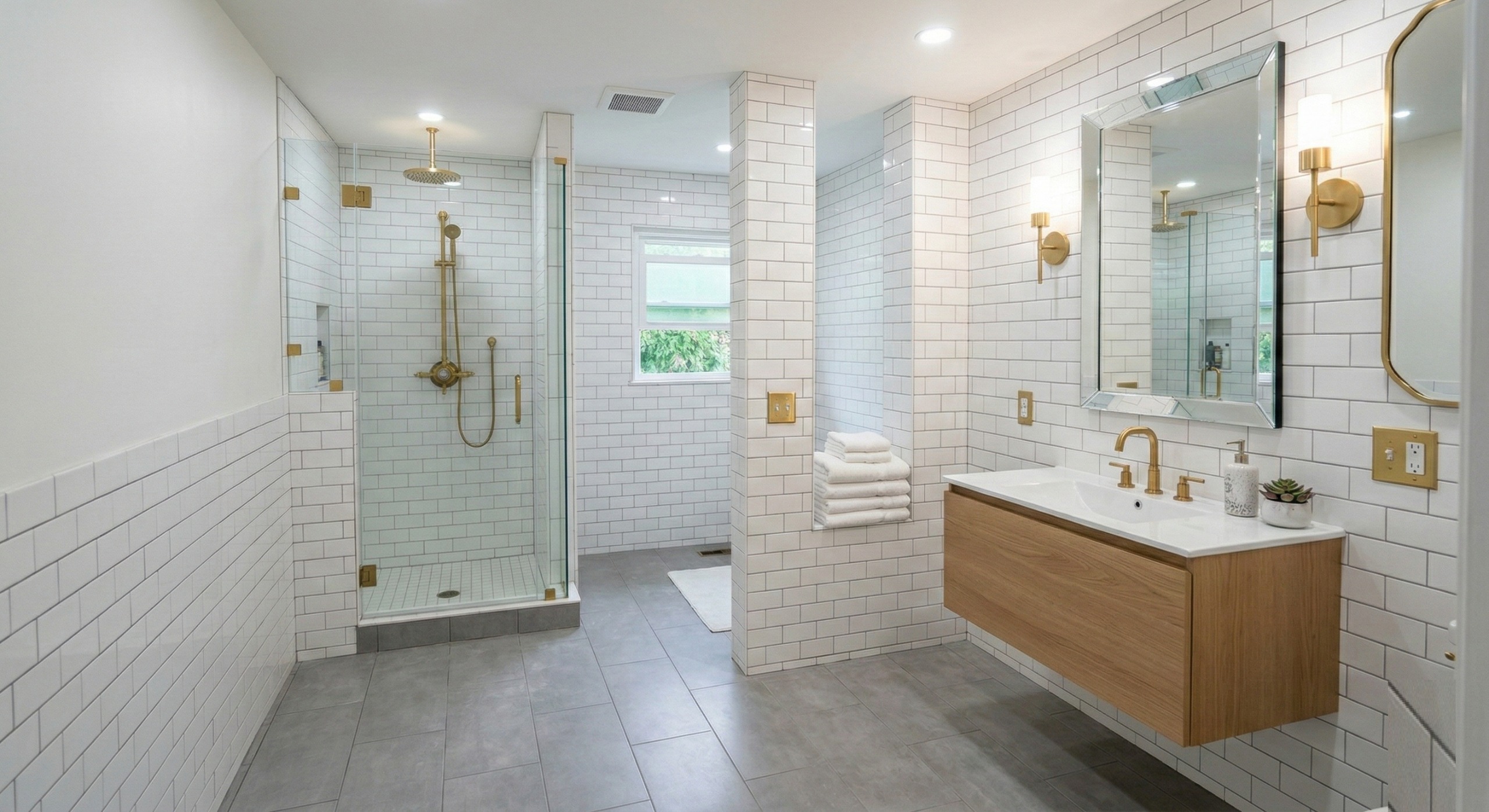
Bathroom remodel costs vary widely by scope and finish level. The biggest drivers tend to be:
Tile scope and complexity
Tile labor changes based on how much tile is used, the tile size and pattern, and the number of edges, corners, and transitions. Shower walls, floors, and feature details all add scope.
Waterproofing complexity
Waterproofing details matter most in the shower area and any wet zones. Custom features like niches and benches add detail work. The more complex the shower build, the more time is required for correct prep and execution.
Layout moves
Moving a shower, toilet, or vanity location can increase rough-in work and coordination needs. Even small layout changes can affect sequencing.
Fixture grade and finish package
Fixtures, trim kits, vanity materials, lighting, and accessories vary widely in cost. Defining your finish level early keeps the estimate more predictable and reduces mid-project changes.
Condition of the existing space
Older bathrooms can hide surprises behind walls or under floors. Once demo opens the space, the scope may need to be clarified. Clear assumptions in the proposal help keep expectations aligned. If your bathroom remodel includes significant tile, drywall repair, or flooring transitions, these pages help explain the scope drivers:
Need assistance?
Timeline drivers and scheduling realities
Bathroom remodel timelines are often defined by decisions, lead times, and cure windows, not just on-site labor.
Tile and fixture lead times
Some tile, fixtures, and specialty trim kits take time to arrive. Late selections can pause the job, especially when the shower build depends on specific components.
Inspection timing (if required)
Cure times and sequencing
Waterproofing systems, tile setting, grout, and certain finishes require proper cure windows. Rushing these steps risks the long-term performance of the bathroom. We plan sequencing so cure times are respected.
Scope changes midstream
Bathrooms slow down when scope changes after rough-in or after tile starts. Deciding early on shower type, niche and bench details, and fixture selections is the simplest way to protect timeline.
Proof: bathroom project examples
Project example 1
Shower rebuild with waterproofing-focused sequencing
-
1
What we did
Coordinated demo and rough-in steps before waterproofing began -
2
Executed waterproofing and tile with attention to edges and transitions -
3
Closed out with a punch list focused on finish details
Project example 2
Vanity and lighting upgrade with tile refresh
-
1
What we did
Confirmed layout and fixture selections early to avoid delays -
2
Coordinated vanity install, lighting placement, and finish work sequencing -
3
Completed final touch-ups and walkthrough closeout
Project example 3
Bathroom remodel coordinated with drywall, paint, and flooring transitions
-
1
What we did
Planned flooring transitions and trim details before finishes began -
2
Coordinated drywall and painting schedule around tile and fixture setting -
3
Delivered a clean closeout with documented punch items
Related services
Bathroom scopes often overlap with these services. If one category is driving your project, start there.
Areas we serve
Bathroom remodeling is available across our core service area. Start with your local page for planning notes and common project types.
What you can expect from HomeFREA
Bathrooms are small, but they demand discipline.
- Scope clarity up front: inclusions, exclusions, and assumptions are documented so bids are easier to compare.
- Sequencing that respects waterproofing and cure windows: the schedule supports long-term performance, not just speed.
- Jobsite protection and cleanliness: adjacent areas are protected and cleanup is part of the routine.
- Communication cadence: you know what is happening next and what decisions are needed to keep progress moving.
Frequently asked questions
Timeline depends on scope, tile complexity, fixture lead times, and any inspection steps required by the project. Bathrooms also have cure windows for waterproofing systems, tile, and grout that must be planned correctly. After the site visit and scope definition, we provide a realistic range and explain what is most likely to extend it.
Tile scope and complexity, waterproofing detail work, layout moves, and fixture grade are the most common cost drivers. Vanity changes and storage upgrades can also increase scope because they affect plumbing, lighting placement, and finish coordination. Clear finish-level decisions early help stabilize budget.
Waterproofing is treated as a defined step, not an afterthought. We plan the sequence so prep is correct, materials are installed per the scope, and downstream work does not start before the waterproofing phase is complete. If your project includes niches, benches, or complex edges, those details are scoped early so the build plan supports them.
At minimum, you should decide on the general layout, shower or tub approach, tile direction, and key fixture selections that affect rough-ins and lead times. The more defined your finish package is early, the fewer schedule gaps you will see mid-project.
If your bathroom scope requires permits or inspections, we coordinate the process as part of planning. Requirements depend on what is changing, such as moving plumbing or electrical work. We flag likely permit needs early so schedule expectations stay realistic.
In most cases, the bathroom will be out of service during key phases like demo, rough-ins, waterproofing, and tile installation. If the home is occupied and the bathroom count is limited, we can discuss phasing and scheduling expectations during scoping so you can plan around downtime.
If there has been water damage, the priority is to confirm that drying and mitigation have been handled before rebuild finishes begin. Once conditions are stable, we can scope the rebuild, including drywall, paint, flooring, and any needed shower work.
Water Damage Repair
Ready to plan your bathroom remodel?
Send a short description of what you want to change, upload a few photos, and share your rough timeline. We will confirm scope, flag the decisions that affect schedule, and outline the next step for an estimate.