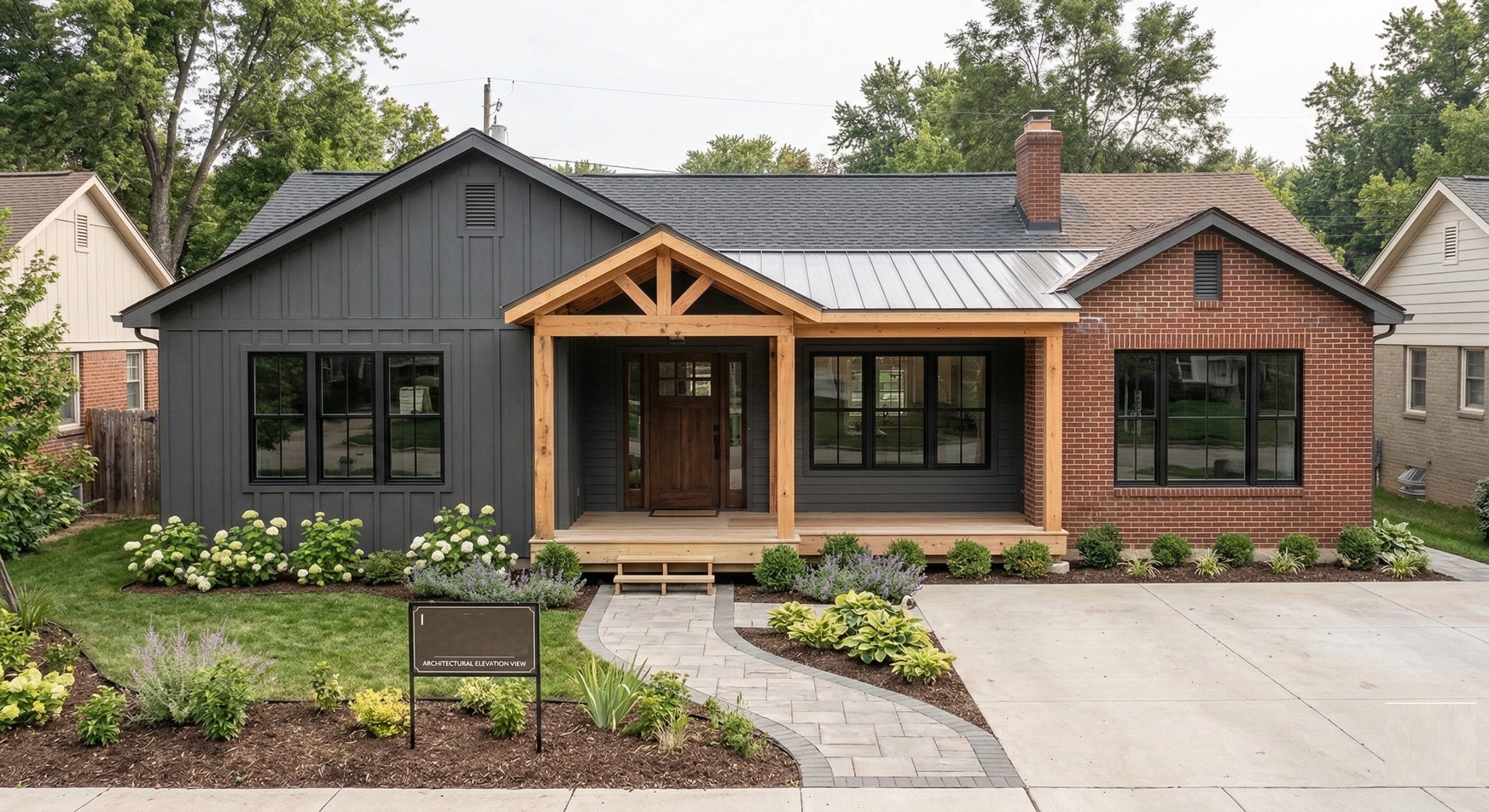
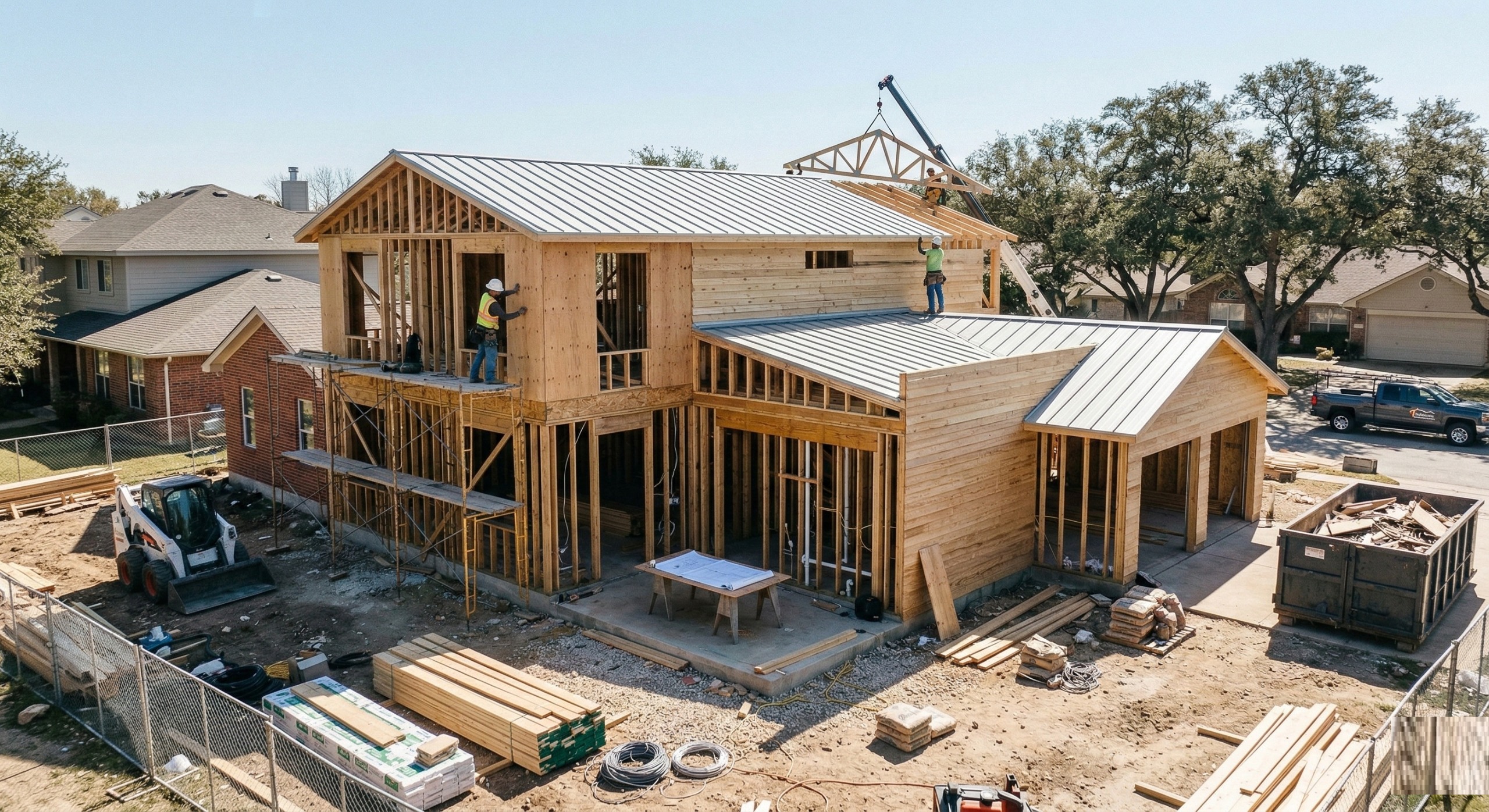
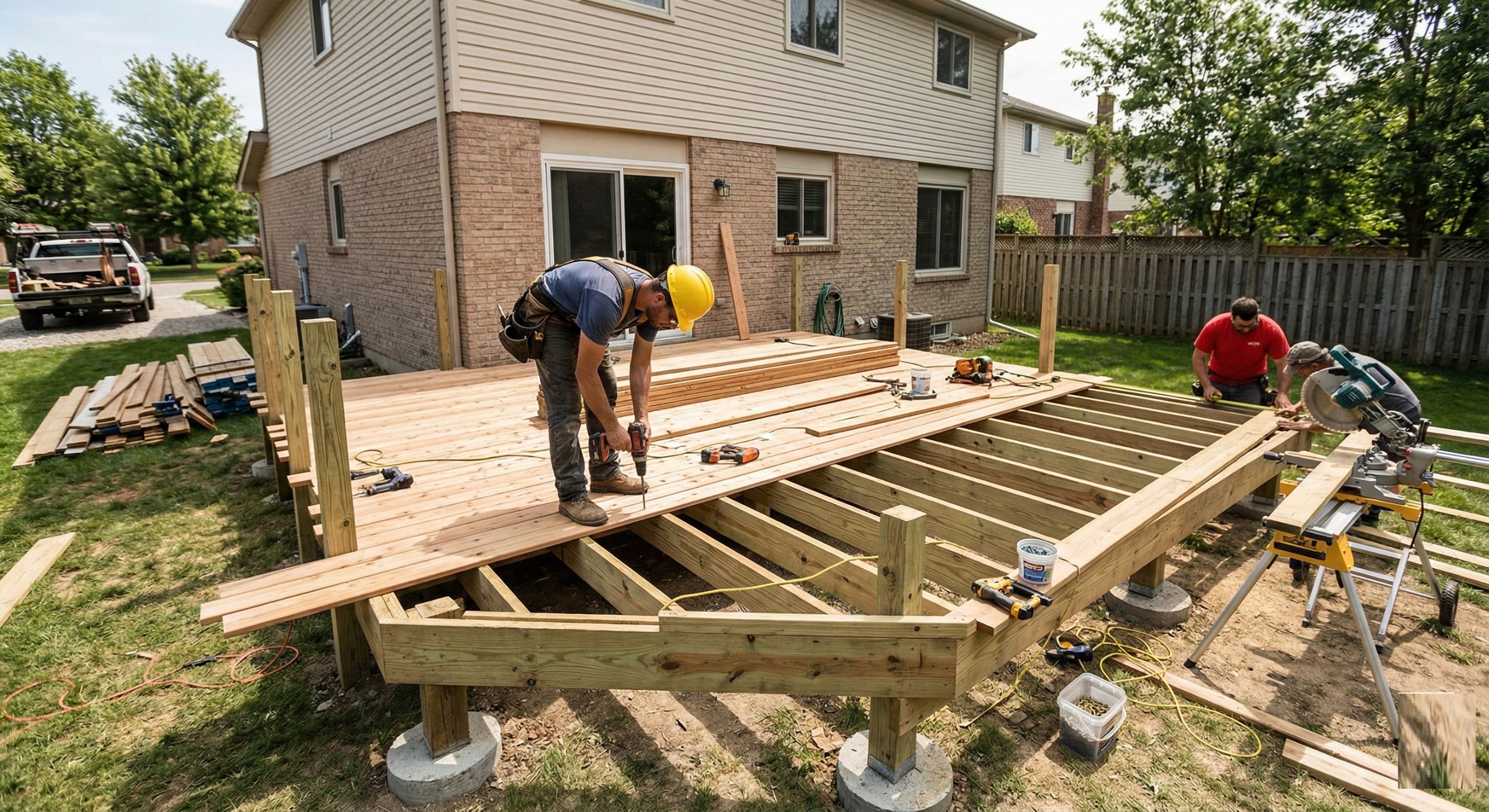
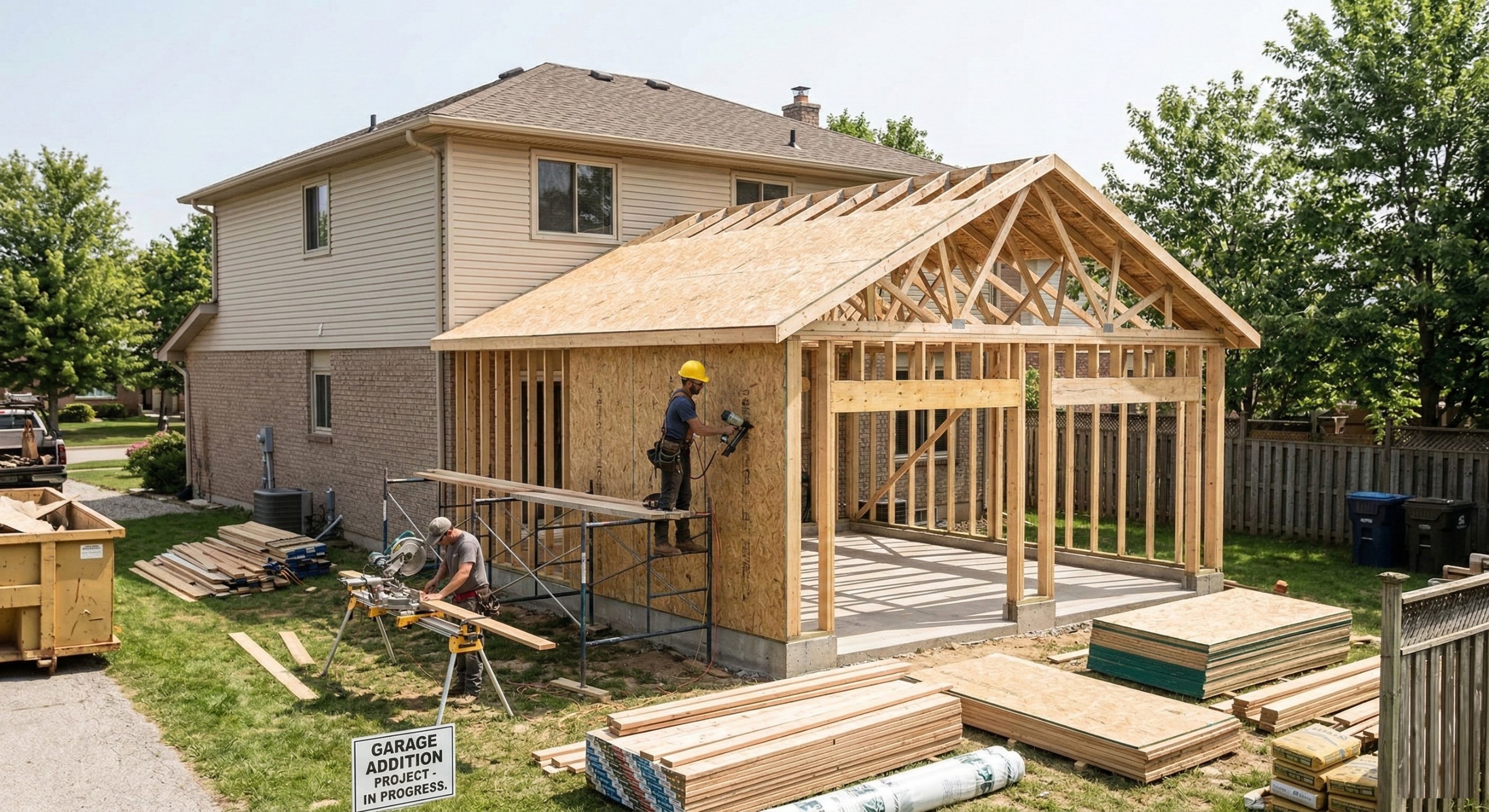
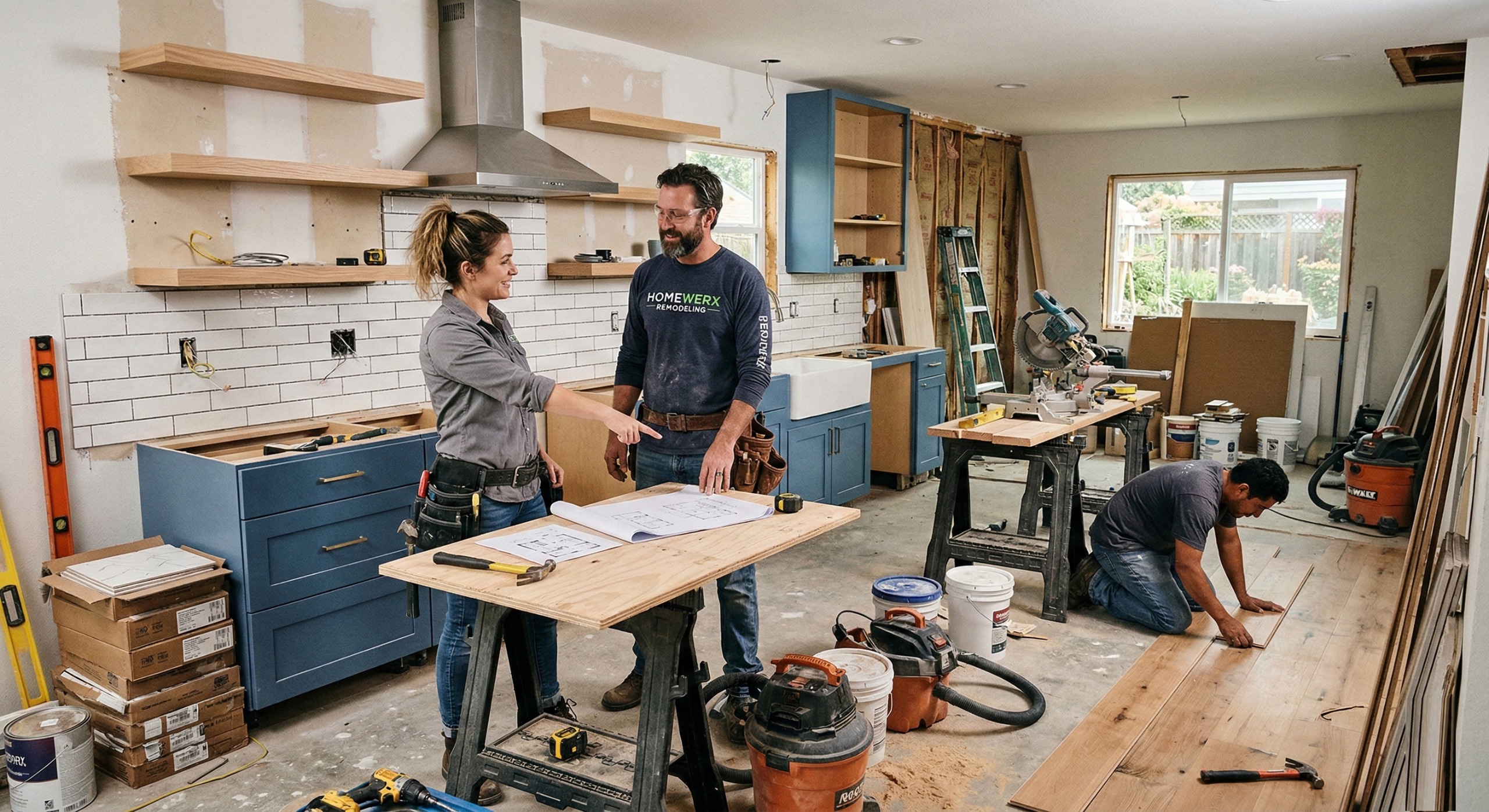
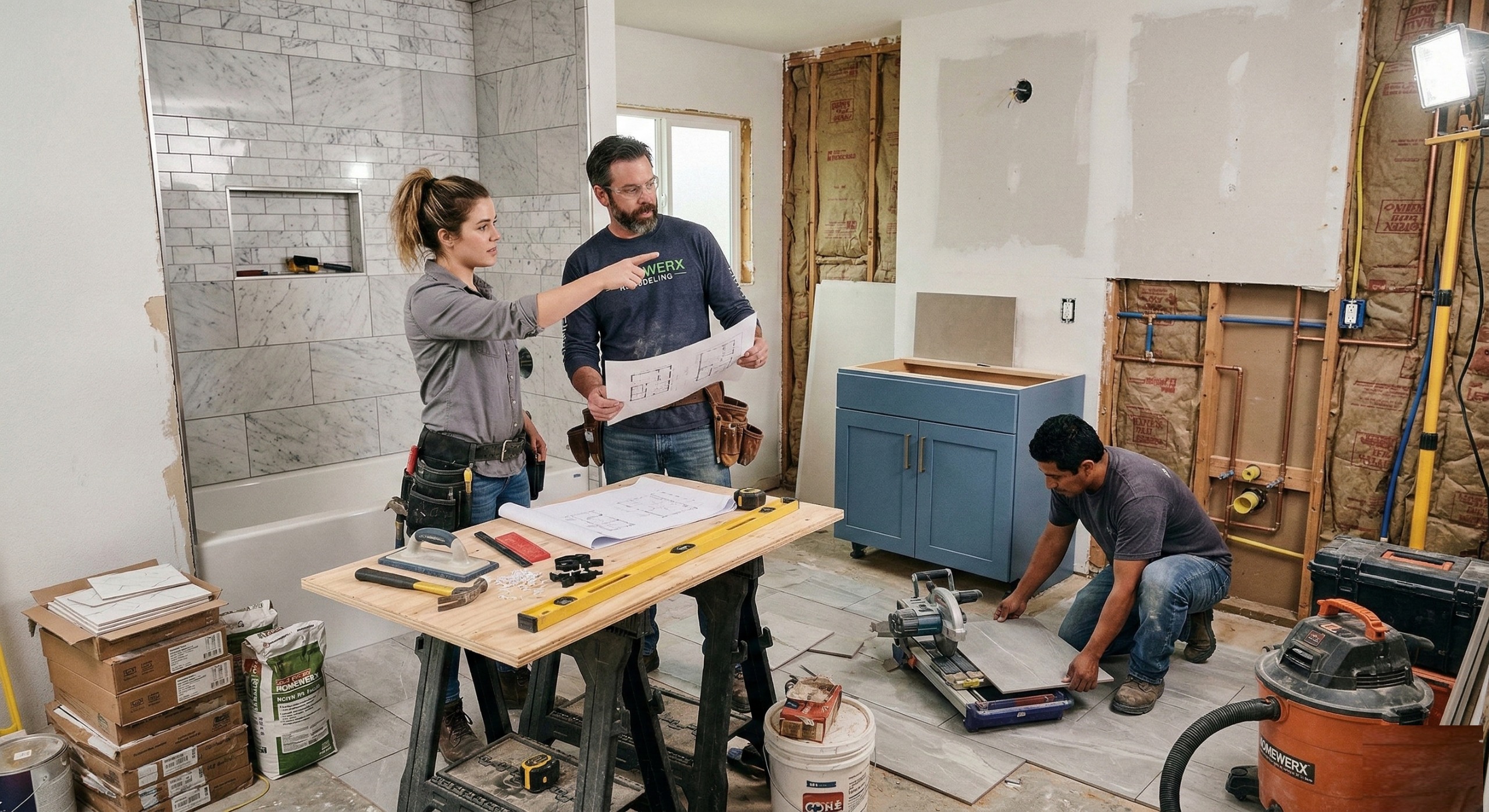
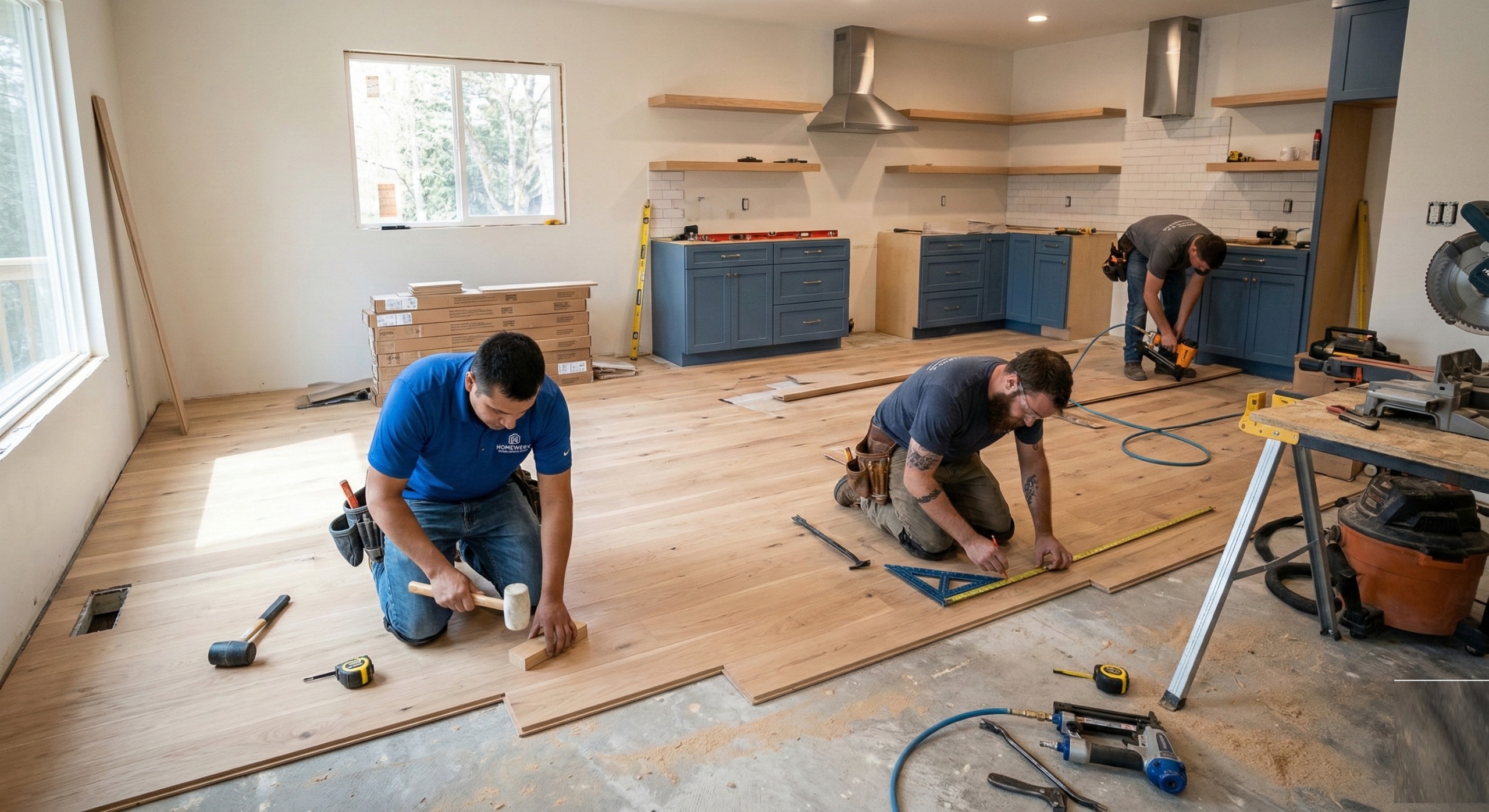
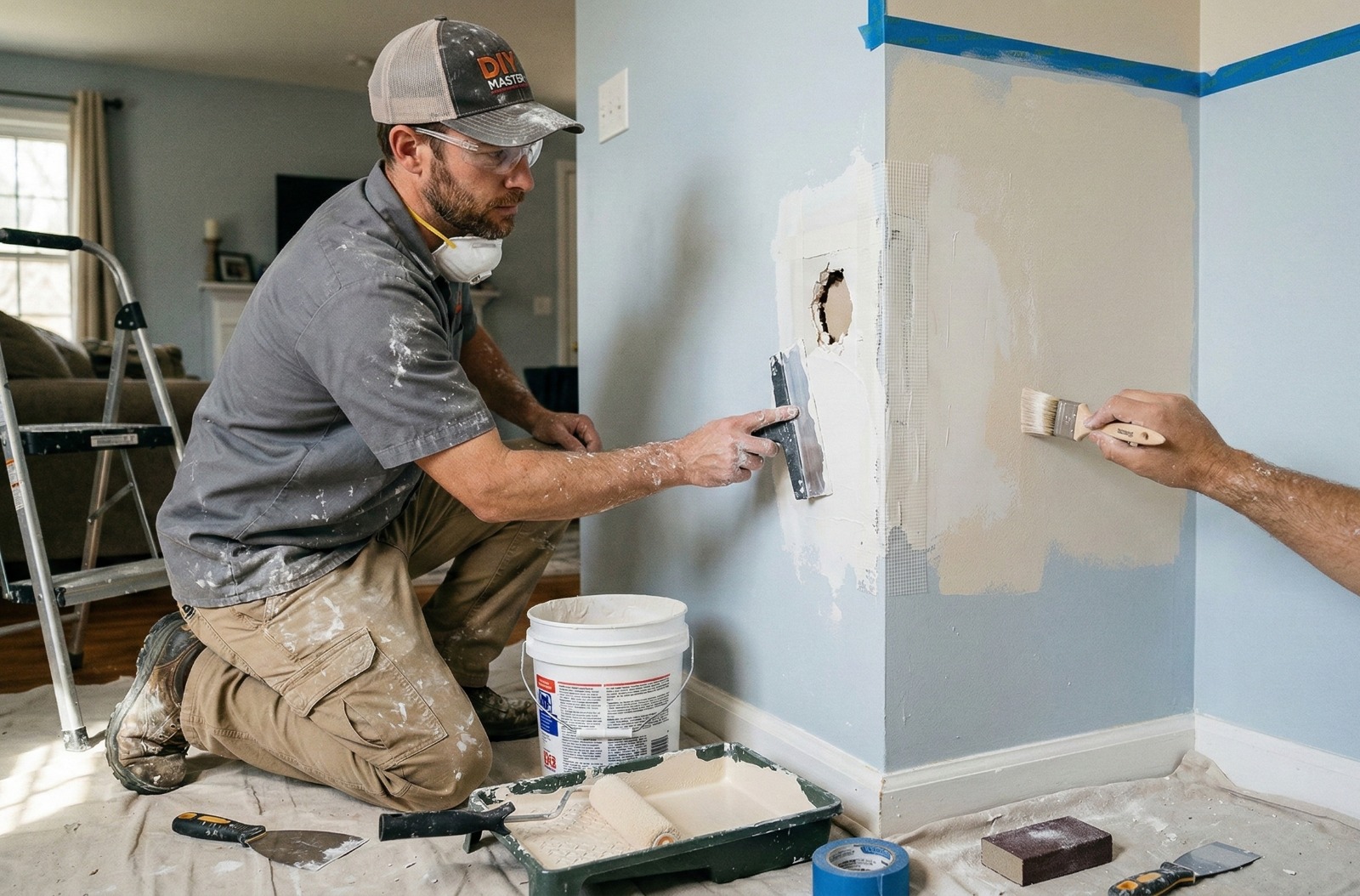
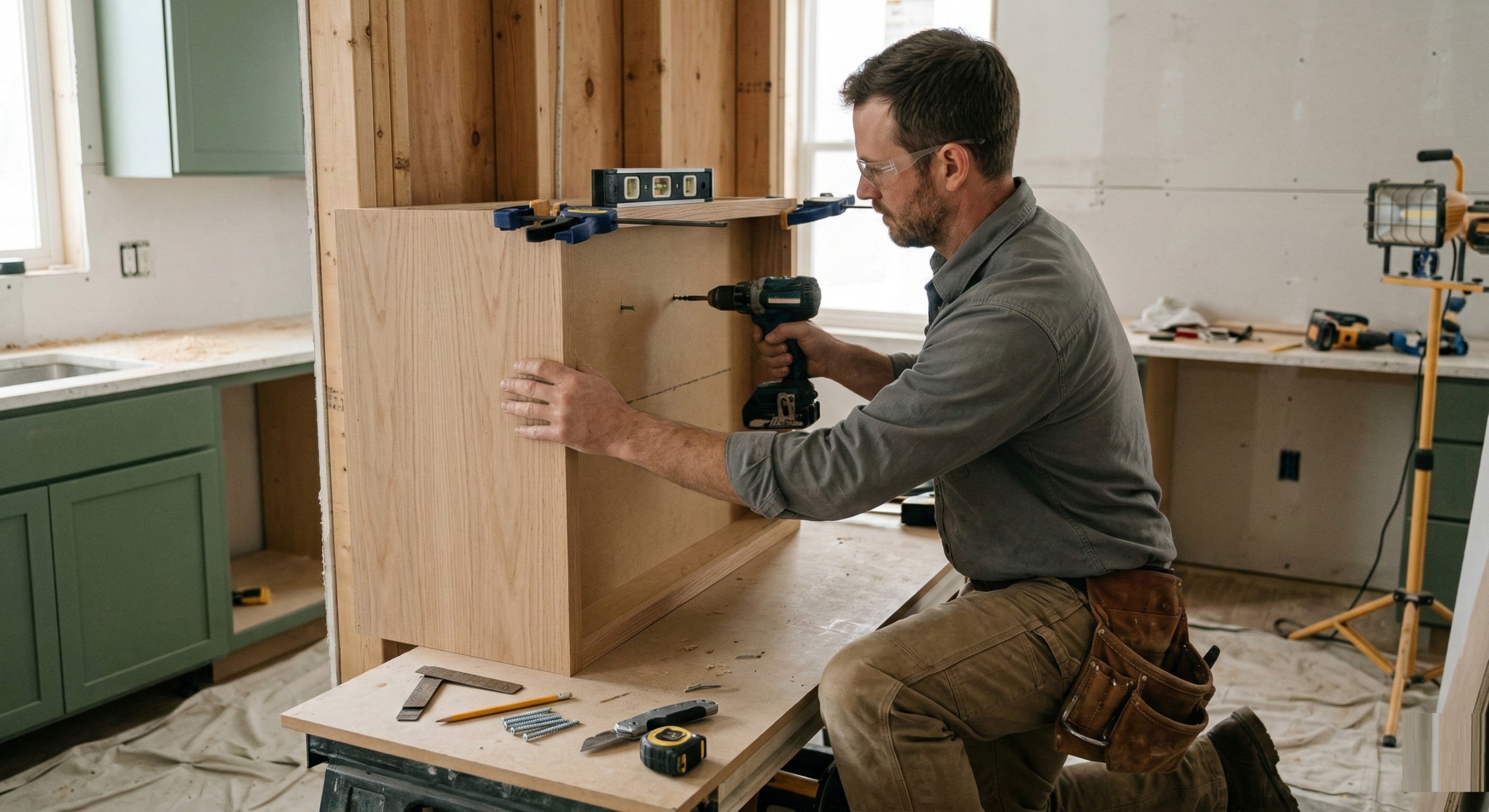
South Cary and Kildaire Farm homeowners often want upgrades that make the home work better day to day, without turning everything into an open-ended construction zone. HomeFREA provides general contracting and remodeling with a focus on clear scope, coordinated scheduling across trades, and jobsite protection that keeps disruption manageable, especially in occupied homes. Whether you are updating a kitchen, renovating a bathroom, refreshing floors and paint, rebuilding a deck, or planning an addition, we bring structure to the work so it moves forward and closes out cleanly.
These are the project types we frequently see for homeowners who want a meaningful upgrade without unnecessary complexity.
to improve layout, storage, and finishes
with shower and tile upgrades, ventilation improvements, and finish refreshes
for safety, usability, and better outdoor flow
to unify rooms after wear, repairs, or remodeling
Projects stay calmer when the boundaries are clear early. We document inclusions, exclusions, and assumptions so you are not guessing what is covered, and so bids are actually comparable.
Many homeowners stay in the home during part of the work. We plan floor protection, staging, and cleanup routines to keep pathways usable where possible and reduce disruption.
If you are not sure which service page fits your project, start with the Services hub, then request an estimate with photos.
Wide shots plus close-ups help us understand existing conditions and likely scope boundaries.
Tell us what you want to change and what matters most, like layout, storage, durability, or timeline.
If you have travel plans, an event, or a move-in date, include it. Those constraints affect sequencing decisions.
Provide your address or neighborhood, and any access constraints we should plan around.
For multi-trade remodels, a site visit is often the point where scope and assumptions get locked so pricing is realistic.
Most schedule issues come from a few predictable drivers. If you plan around them early, timelines are easier to hold.
Cabinets, certain flooring products, specialty tile, fixtures, and doors can take time to arrive. Early decisions reduce downtime and make the schedule more predictable.
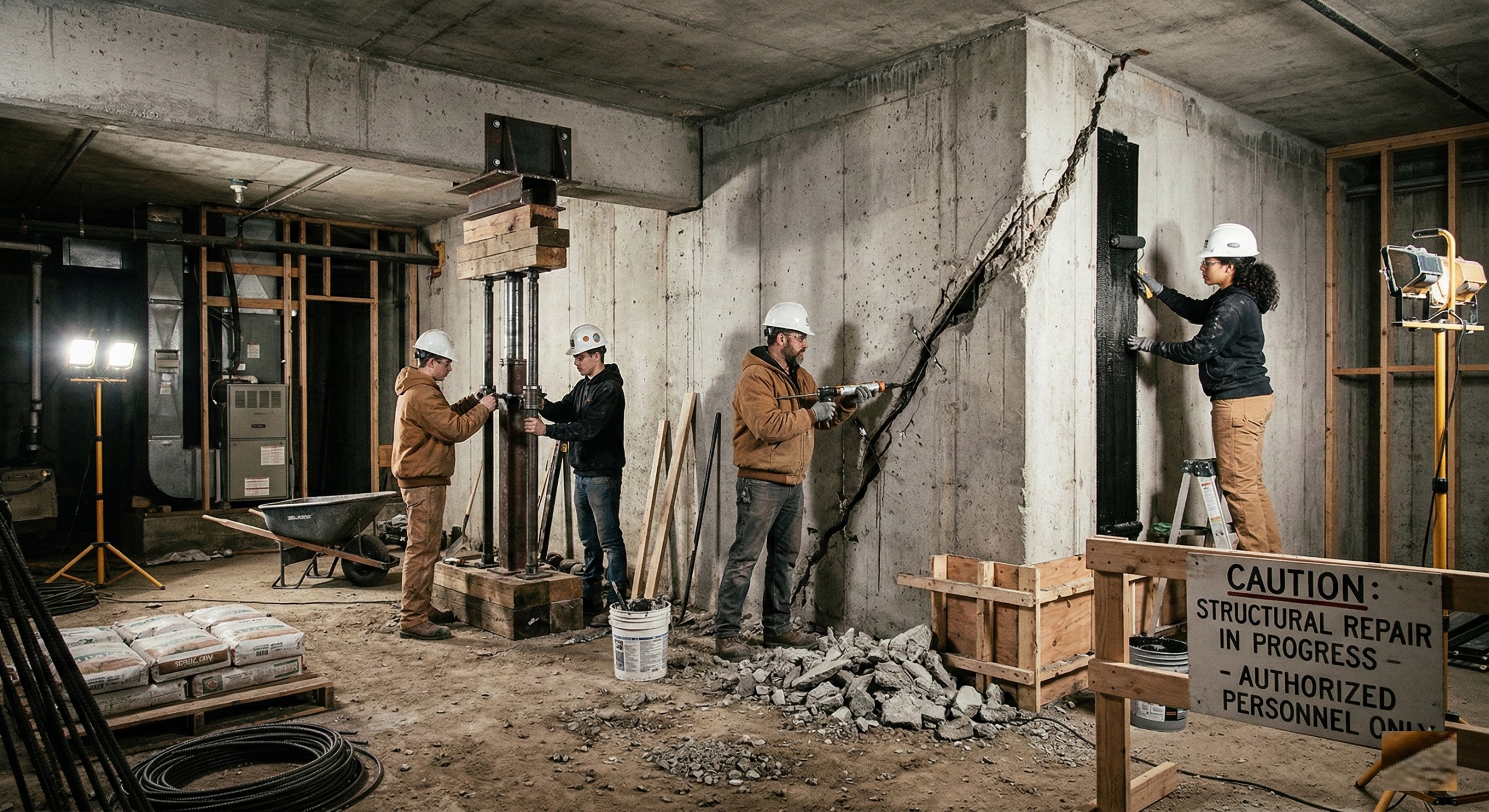
Additions, structural changes, and some plumbing or electrical moves can require permits and inspections. When applicable, inspection scheduling becomes a real timeline anchor.
Drywall finishing, paint coats, and tile systems have normal drying and cure windows. These are quality steps, not delays. A realistic plan accounts for them.
If your scope follows a leak or moisture event, rebuild should start after drying and clearance are complete. Starting too early is one of the most common reasons repairs repeat.


Documented scope boundaries so expectations stay aligned throughout the project
Trade sequencing discipline so finish work is not installed too early
Jobsite protection routines including floor coverings and controlled work zones
Communication cadence so you know what is next and what decisions keep the project moving
Walkthrough and punch list closeout so the last details get completed, not postponed
For proof of work and examples of how services connect, visit: Projects


Start by submitting the estimate form and uploading photos. We review your goals, confirm the rough scope, and identify any dependencies like long-lead materials or inspection checkpoints. For multi-trade remodels, a site visit is often the next step so inclusions and assumptions are clear before pricing is finalized.
Clear photos, a simple goal statement, your rough timeline, and your location. If you already know selections like cabinet style, flooring type, tile direction, or fixture level, include that too. The more clarity you provide upfront, the less back-and-forth is needed to define scope.
Price is usually driven by scope breadth, layout changes, finish level, and how much needs to be opened for access. Prep and existing conditions matter too, especially with uneven floors, wall repairs, or hidden damage found after demo. Clear assumptions in writing are the best way to avoid pricing surprises.
Tell us what you want to change, upload a few photos, and share your rough timeline. We will confirm scope, identify the main schedule drivers, and outline next steps for an estimate.