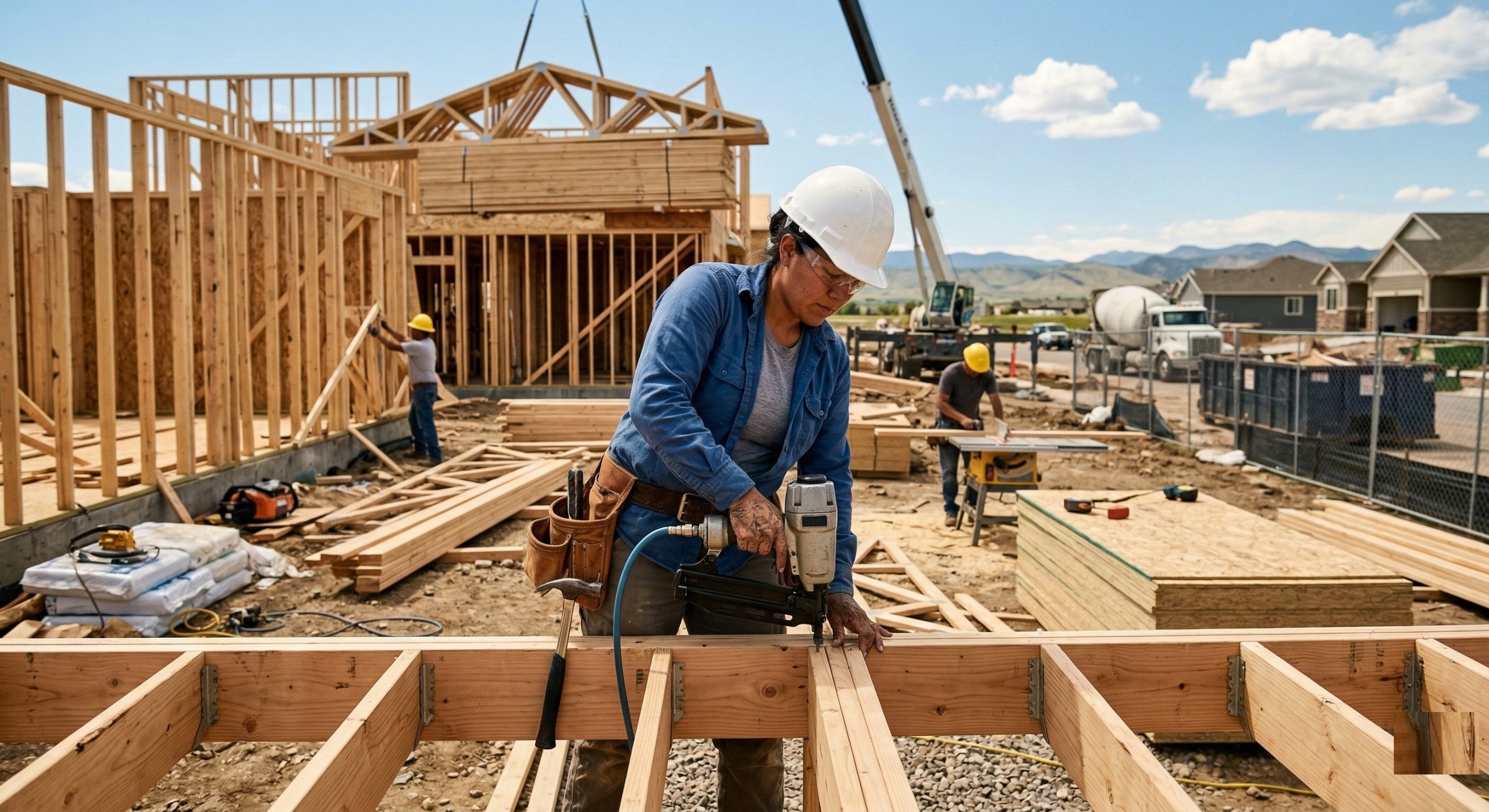
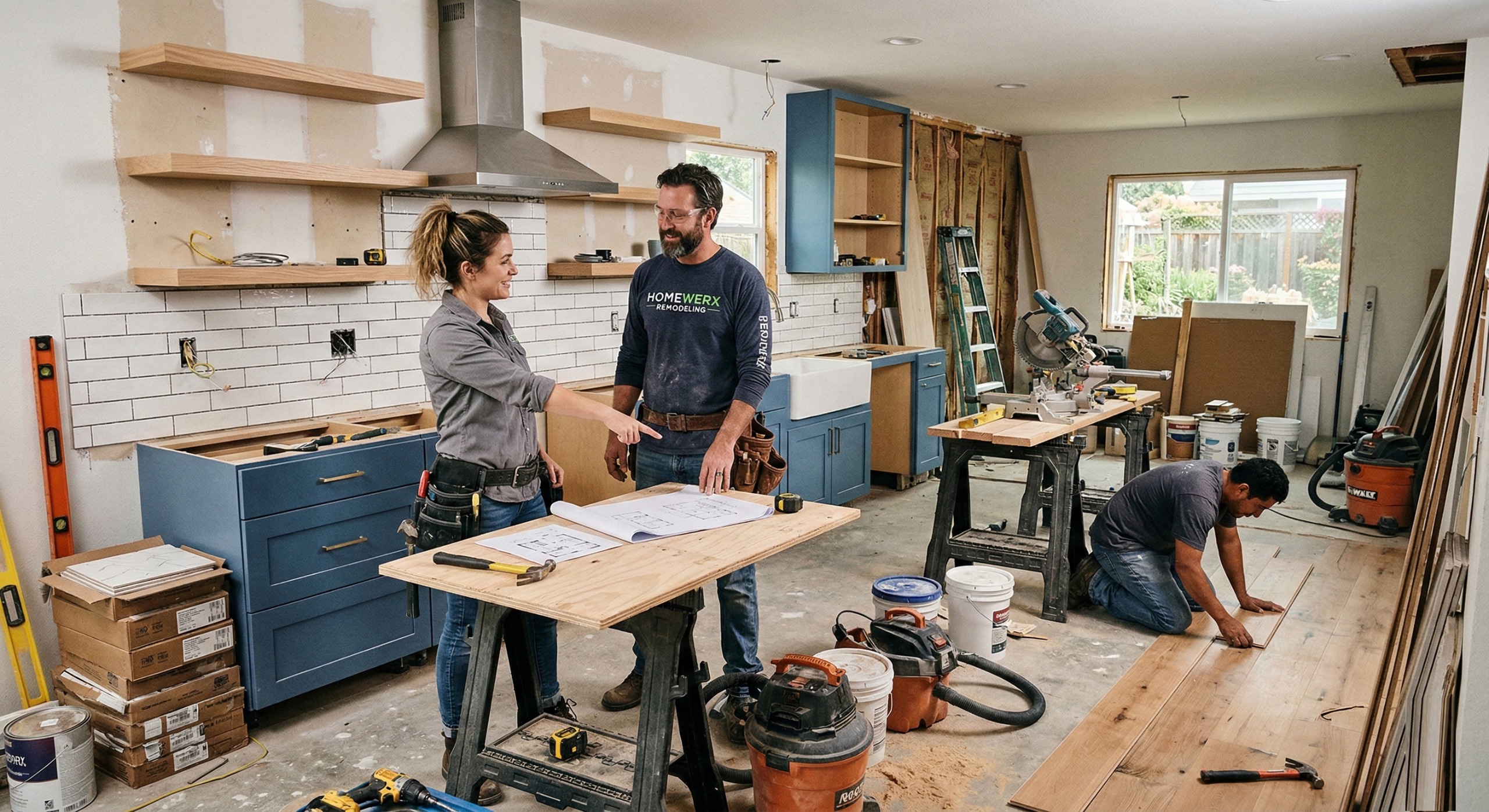
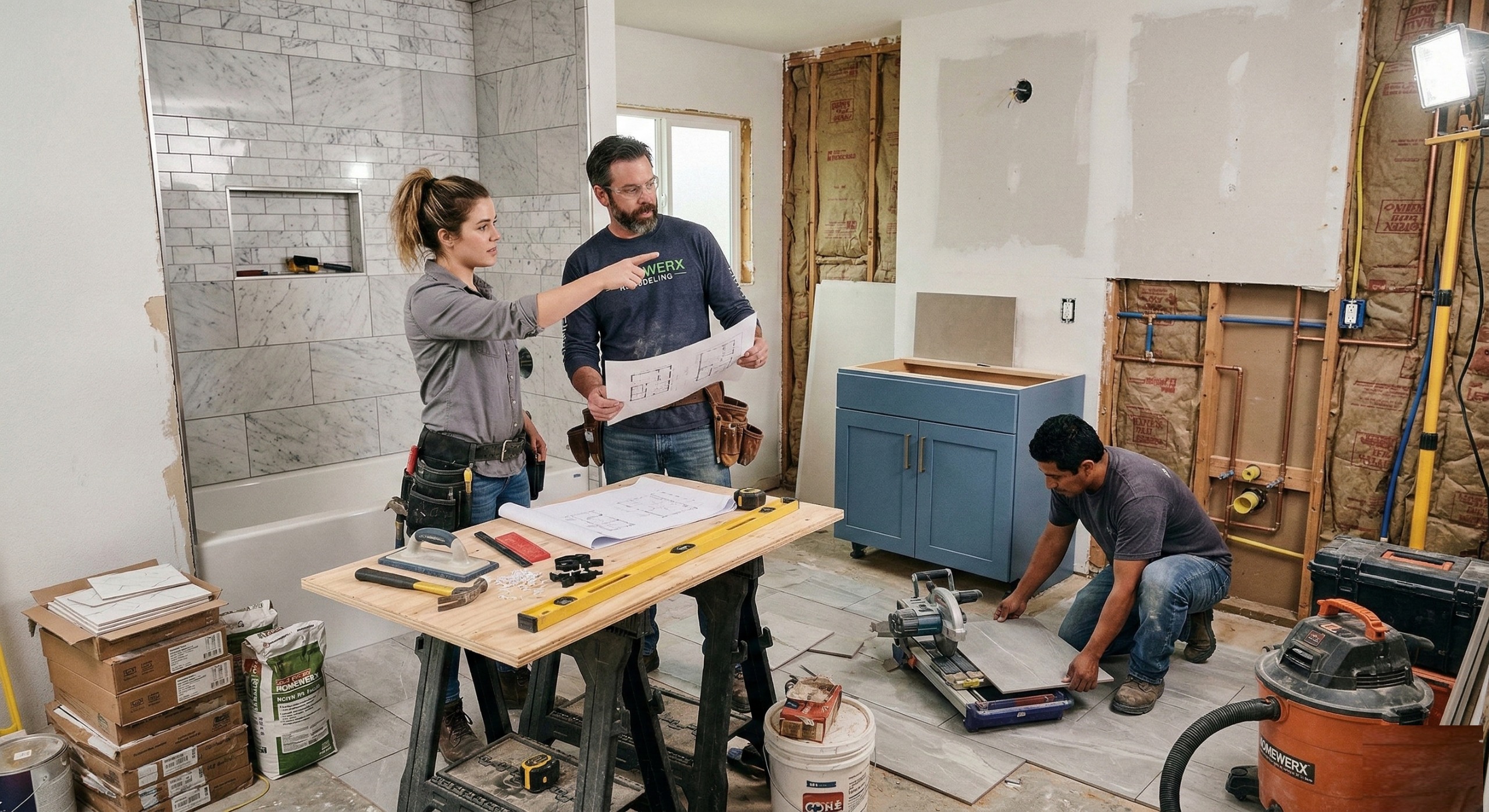
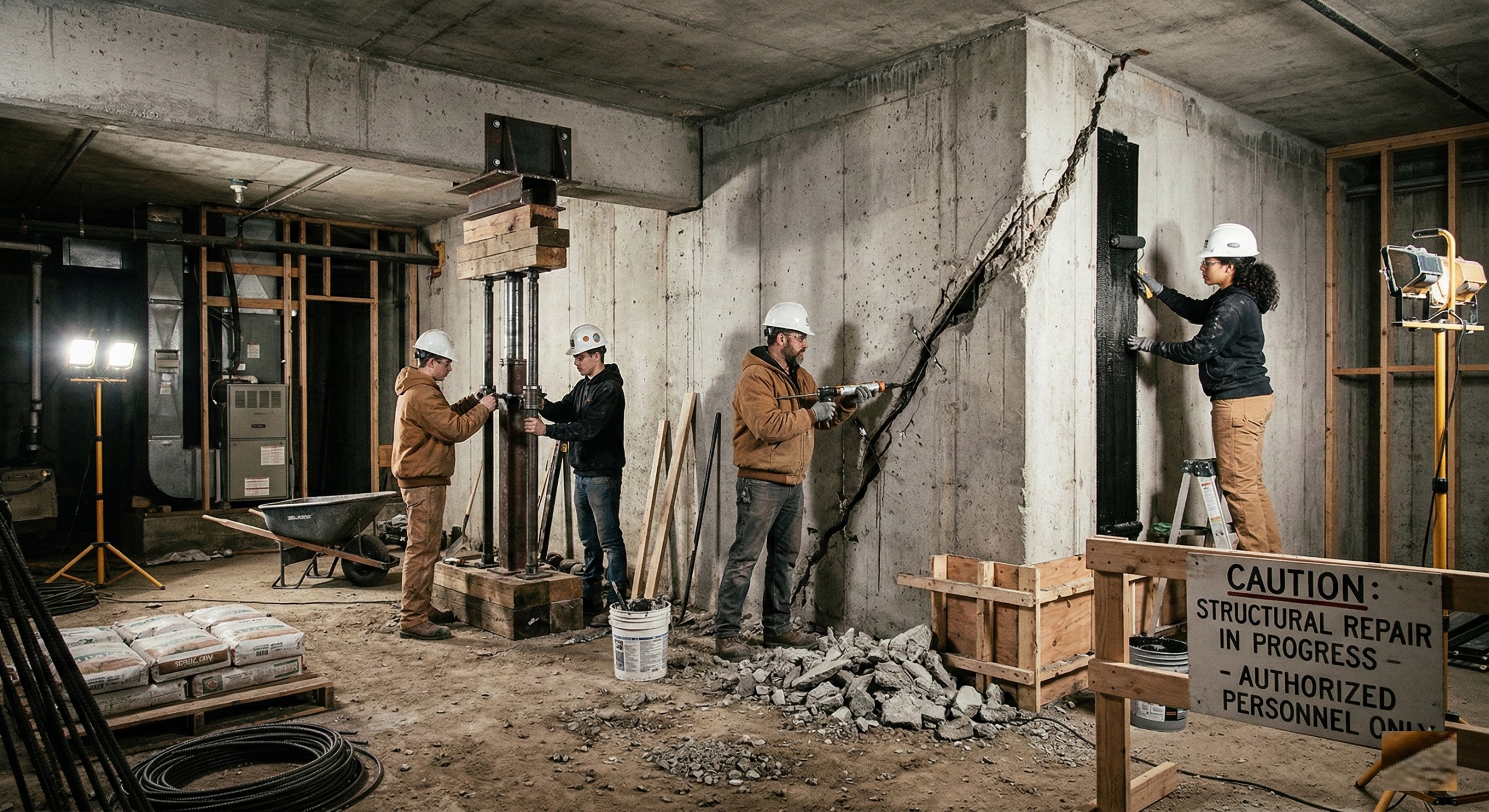
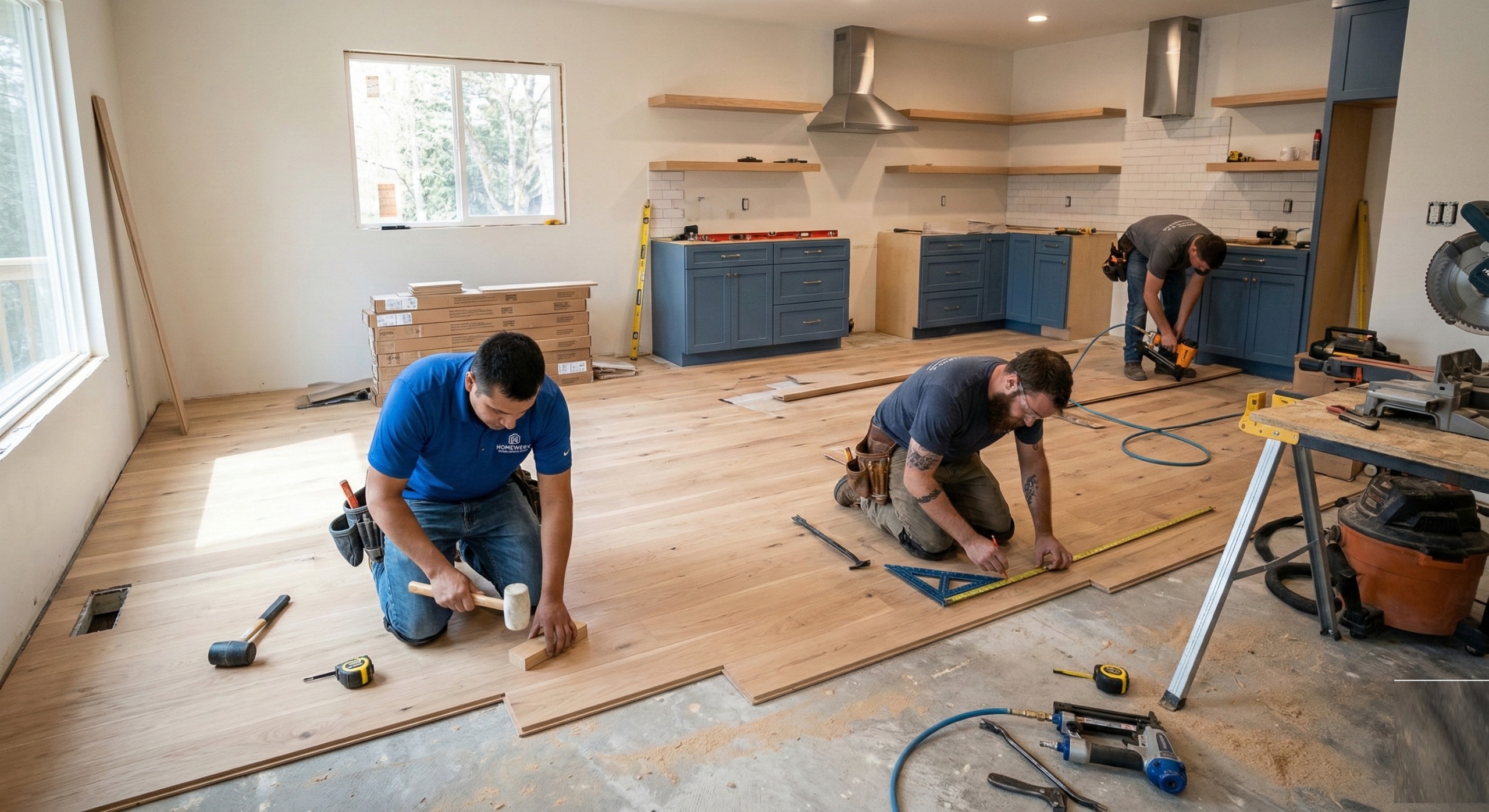
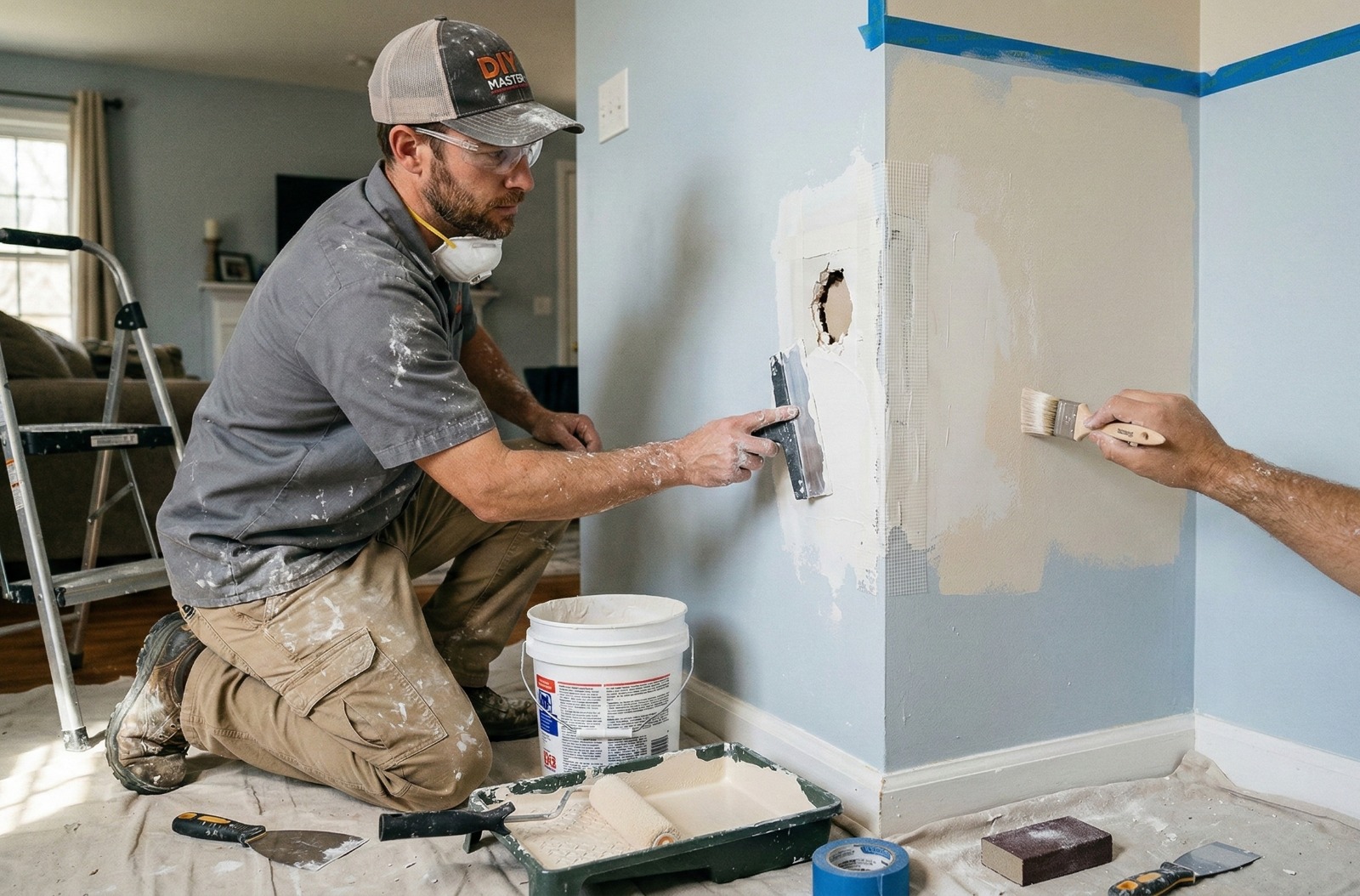
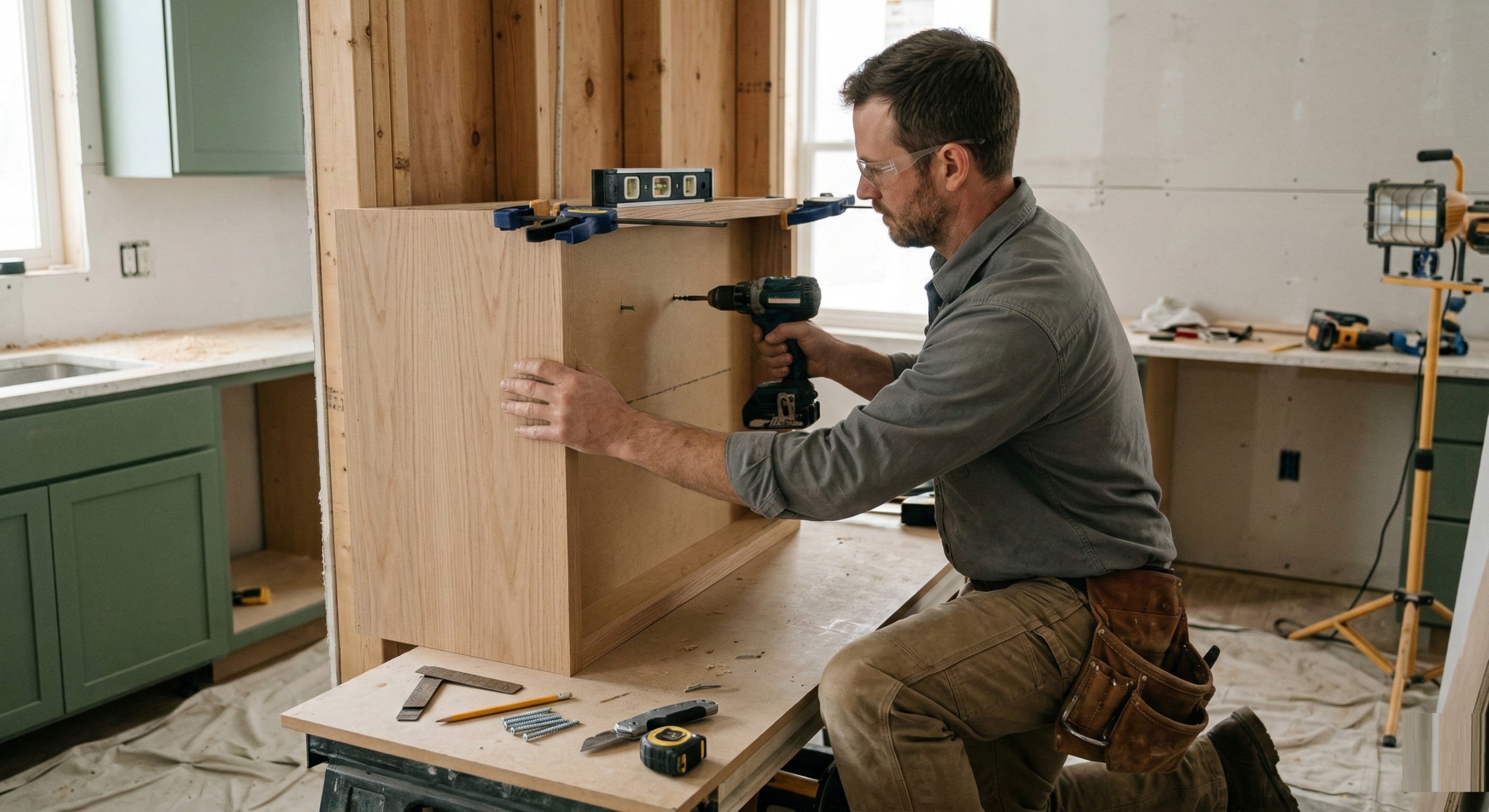
Five Points and Hayes Barton homes have a distinct character, and remodeling here often means working carefully around existing finishes, older wall and floor conditions, and lived-in spaces. HomeFREA provides general contracting and home remodeling with a focus on scope clarity, coordinated scheduling across trades, and jobsite protection that keeps day-to-day disruption manageable. Whether you are updating a kitchen, renovating a bathroom, planning an addition, or handling repairs uncovered during a remodel, we bring structure to the process so the project moves forward and closes out cleanly.
Homeowners in established Raleigh neighborhoods often prioritize practical upgrades that improve daily use while respecting the home’s existing layout and style. Common project types include:
Whole-home refreshes that coordinate floors, paint, trim, and multiple rooms
Bathroom remodels with better waterproofing, ventilation, and finishes
Finish carpentry upgrades, including interior doors, casing, and baseboards
Structural repairs discovered once walls or floors are opened
Older homes can be rewarding to remodel, but they benefit from an approach that plans for real-world conditions.
The fastest projects are not the ones that rush. They are the ones where scope boundaries are documented early. We define inclusions, exclusions, and assumptions so you can compare bids without guessing what is actually covered.
Kitchens and baths involve multiple trades and dependencies. Cabinet installation drives countertop templating. Countertops drive backsplash timing. Paint and flooring sequencing affects trim finish quality. We coordinate the order of work so you do not pay twice for touch-ups.
Many homeowners stay in the home during portions of the work. We plan protection, staging, and cleanup routines so pathways, adjacent rooms, and finishes are treated responsibly.
Below is a full service list. If you are not sure which service fits your scope, start with the Services hub and the estimate form so we can route you correctly.
Include a few photos of the space, the problem area, or inspiration. Photos reduce back-and-forth and help confirm likely scope.
Tell us what you want to change and when you are aiming to start. If you have selection ideas, include them.
Provide your address or neighborhood and any access constraints we should plan around.
We confirm existing conditions and define boundaries so you know what is included and excluded.
If the scope and timing are a fit, we outline sequencing considerations and the next step toward a start date.
Project timelines in this area are usually shaped by coordination, selections, and inspection cadence, not just on-site labor.
Cabinets, certain flooring products, specialty tile, doors, and fixtures can extend schedules if they are selected late. The simplest way to protect timeline is early decisions on the items that sit on the critical path.
Some scopes require permits and inspections, especially for additions, structural changes, and certain plumbing or electrical moves. Planning around those checkpoints reduces downtime and keeps trade sequencing predictable.
Even with careful scoping, some conditions are only visible once finishes are opened. When that happens, we clarify the finding, document the scope change, and sequence the fix before moving forward with finishes.

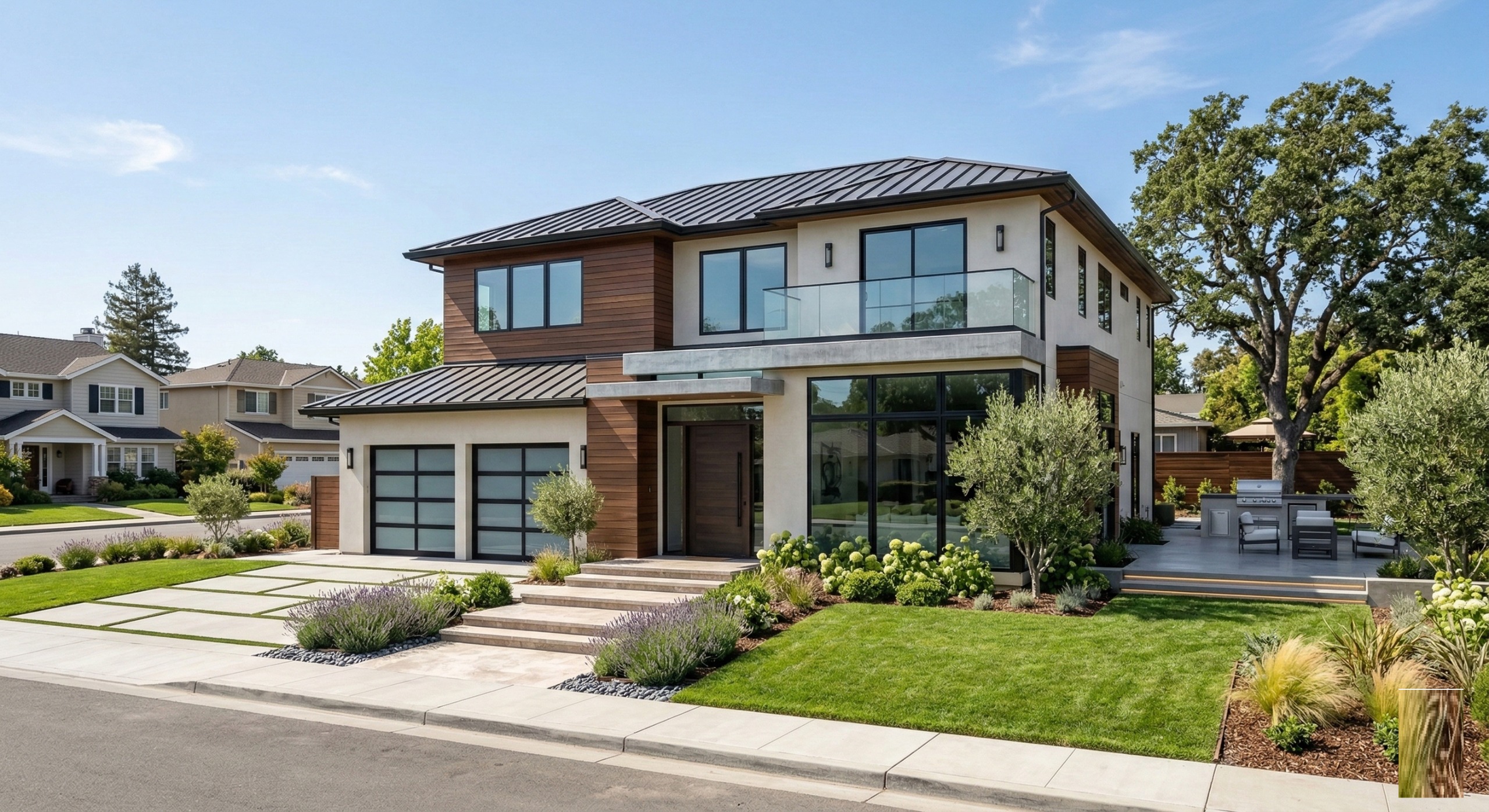
Small misses in construction tend to show up at the end. We use quality controls that support both finish and schedule.
Jobsite protection plan: floor coverings, dust control planning, and protection of adjacent rooms
Sequencing discipline: dry-in steps, finish steps, and cure windows respected where applicable
Communication cadence: you know what is happening next and what decisions are needed
Walkthrough and punch list closeout: final details are documented and completed so the home feels finished
For examples of finished work and scope notes, visit: Projects
Cost is usually driven by scope breadth, layout changes, finish level, and how much needs to be opened for access. Older homes can also require additional prep for flatness, alignment, or finish blending. The best way to keep pricing predictable is a written scope with clear inclusions, exclusions, and assumptions.
Timeline depends on selection timing, inspection checkpoints, and trade sequencing. Kitchens often hinge on cabinets and countertops. Bathrooms hinge on waterproofing, tile, and fixture lead times. Additions hinge on the permit path, inspections, and tie-in complexity. After scope is confirmed, we provide a realistic range and the drivers.
Many projects require permits or inspections depending on what is changing. We plan around the likely checkpoints and coordinate scheduling so inspections do not become last-minute delays. The exact requirements depend on scope and jurisdiction, so we clarify this during scoping.
Protection starts with staging and containment. Floors are covered, high-traffic pathways are protected, and cleanup is part of the routine. If the home is occupied, we also plan sequencing to keep key areas usable when possible and reduce dust travel and disruption.
Ask for scope boundaries in writing. Confirm what is included for demo, prep, finish restoration, and cleanup. Clarify assumptions about hidden conditions, and confirm what is excluded such as engineering, specialty systems, or materials. Comparable bids are the result of comparable scopes, not just similar totals.
Photos, a clear goal statement, and your rough timeline make a big difference. Include the rooms involved, whether you want layout changes, and any selections you already know (cabinet style, flooring type, tile direction, fixture level). Also include your address or neighborhood so we can plan a site visit if needed.
Often yes, depending on the scope and which rooms are affected. Kitchens and single-bath homes require more planning, and some phases can limit access due to dust, noise, or cure times. During scoping, we talk through a realistic day-to-day plan so you can make an informed decision.
Changes should be documented before work proceeds. That includes what is changing, what it costs, and how it affects schedule. Clear change documentation protects sequencing across trades and prevents misalignment late in the project.
Send a short description of your project, upload a few photos, and share your rough timeline. We will confirm scope, outline the next steps for an estimate, and route you to the right service plan.