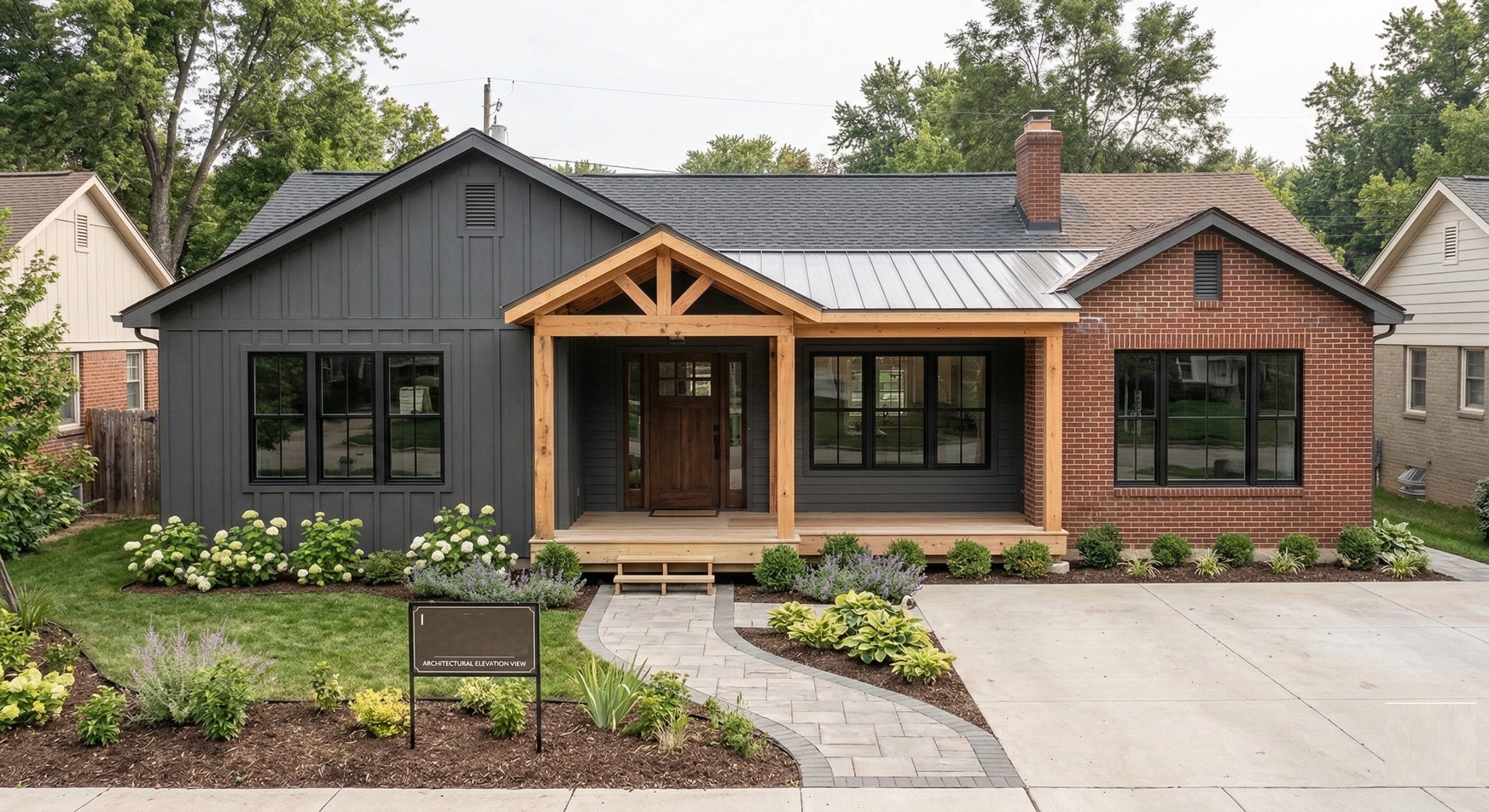
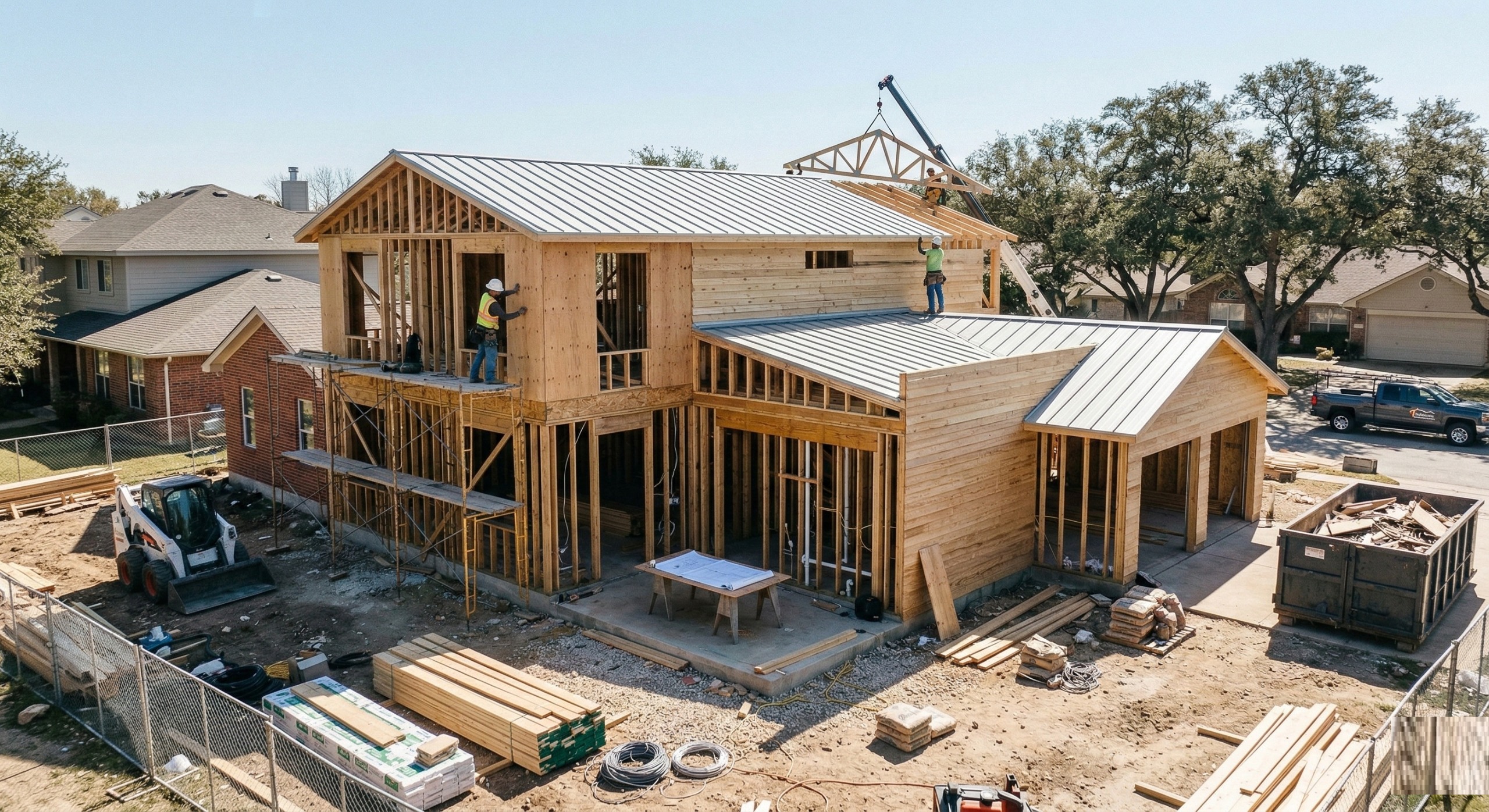
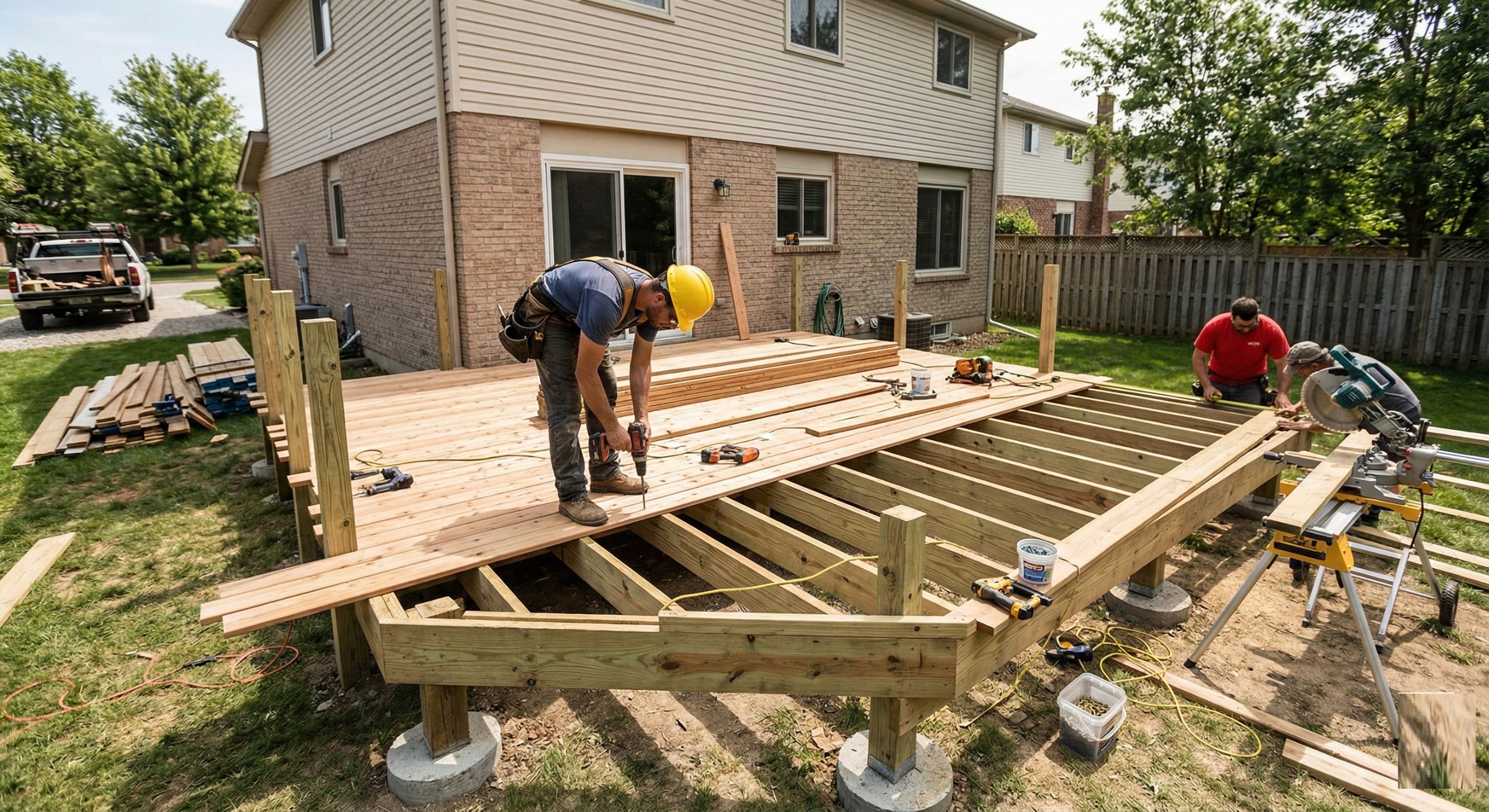
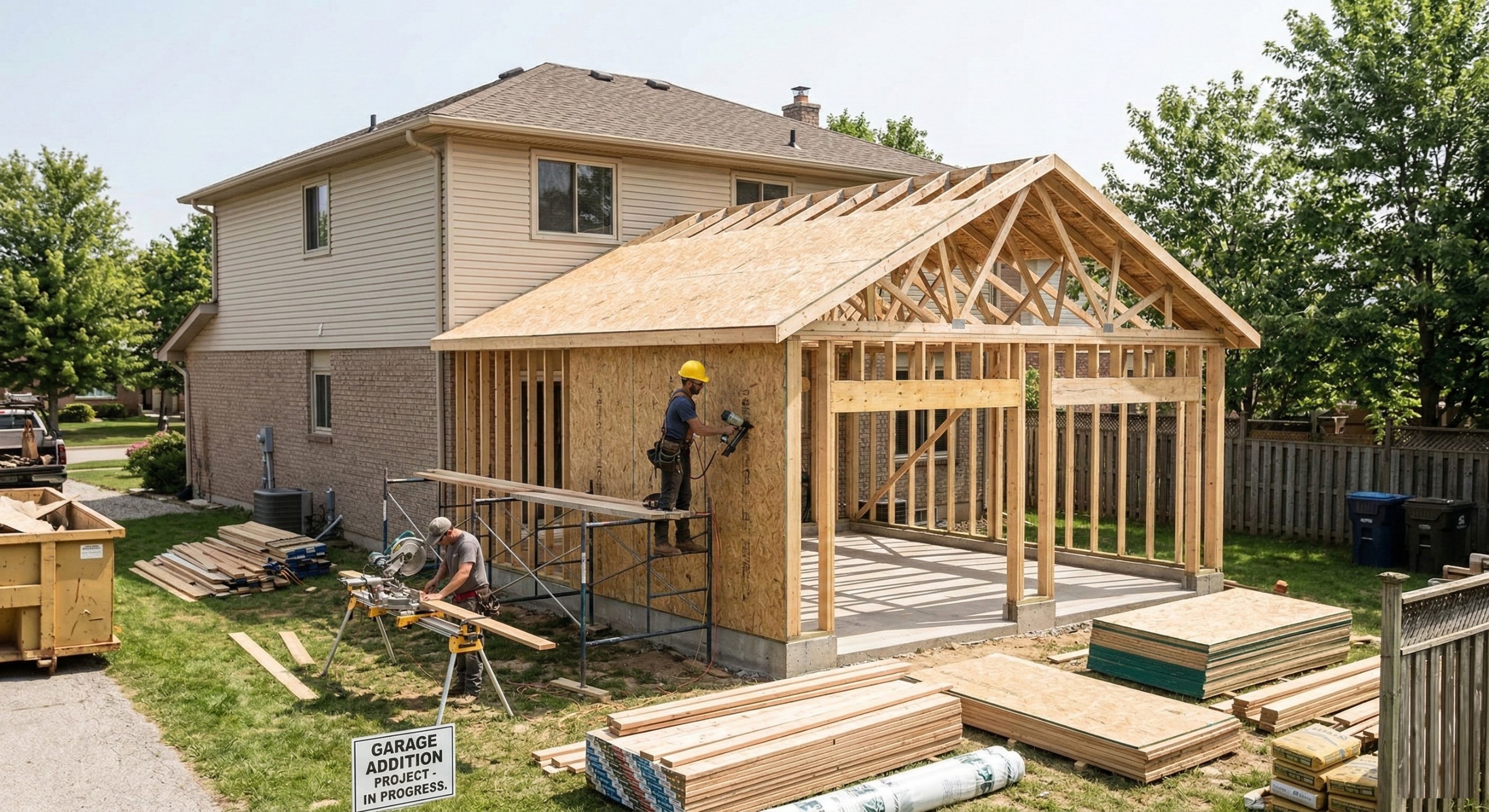
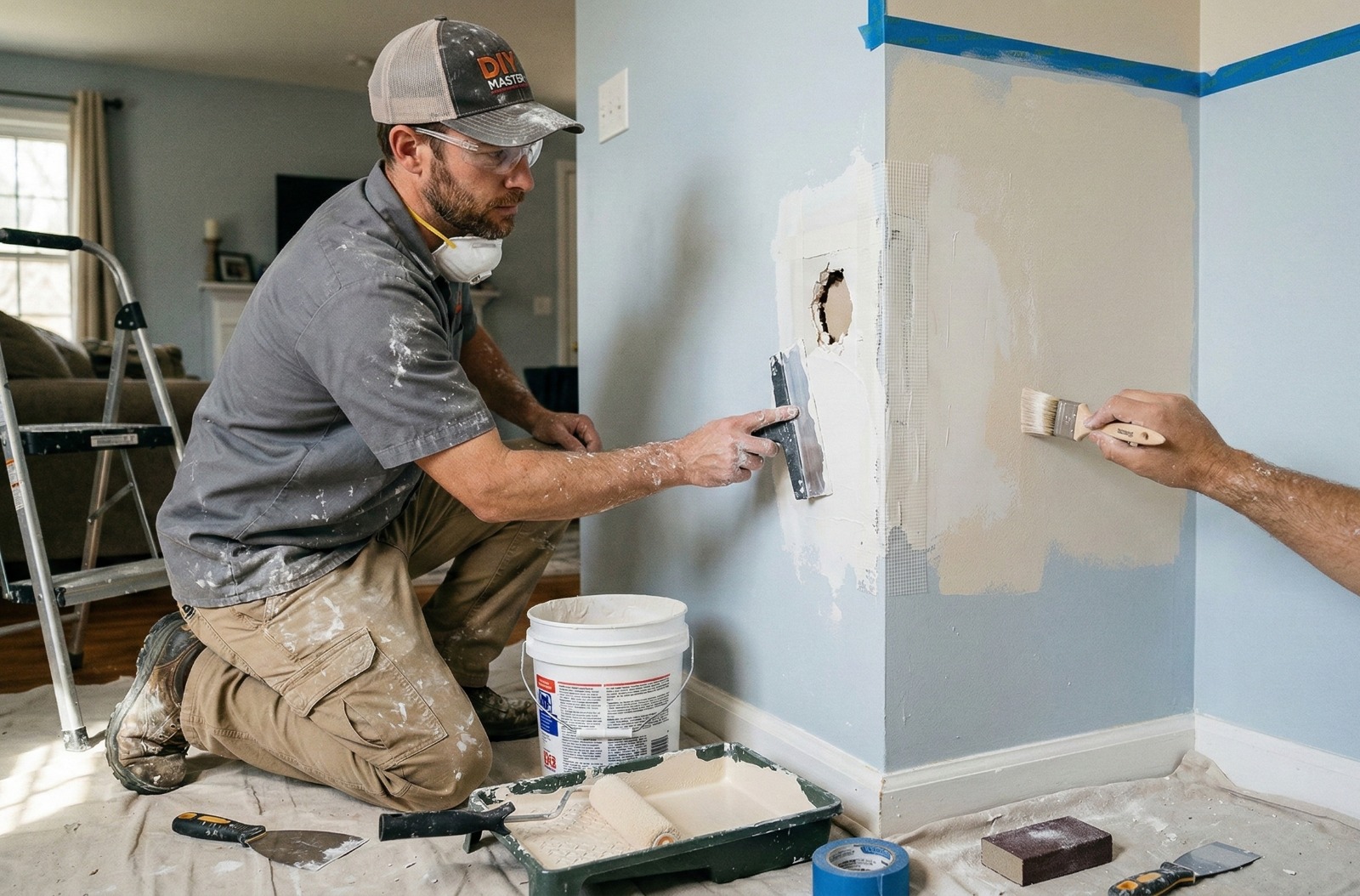
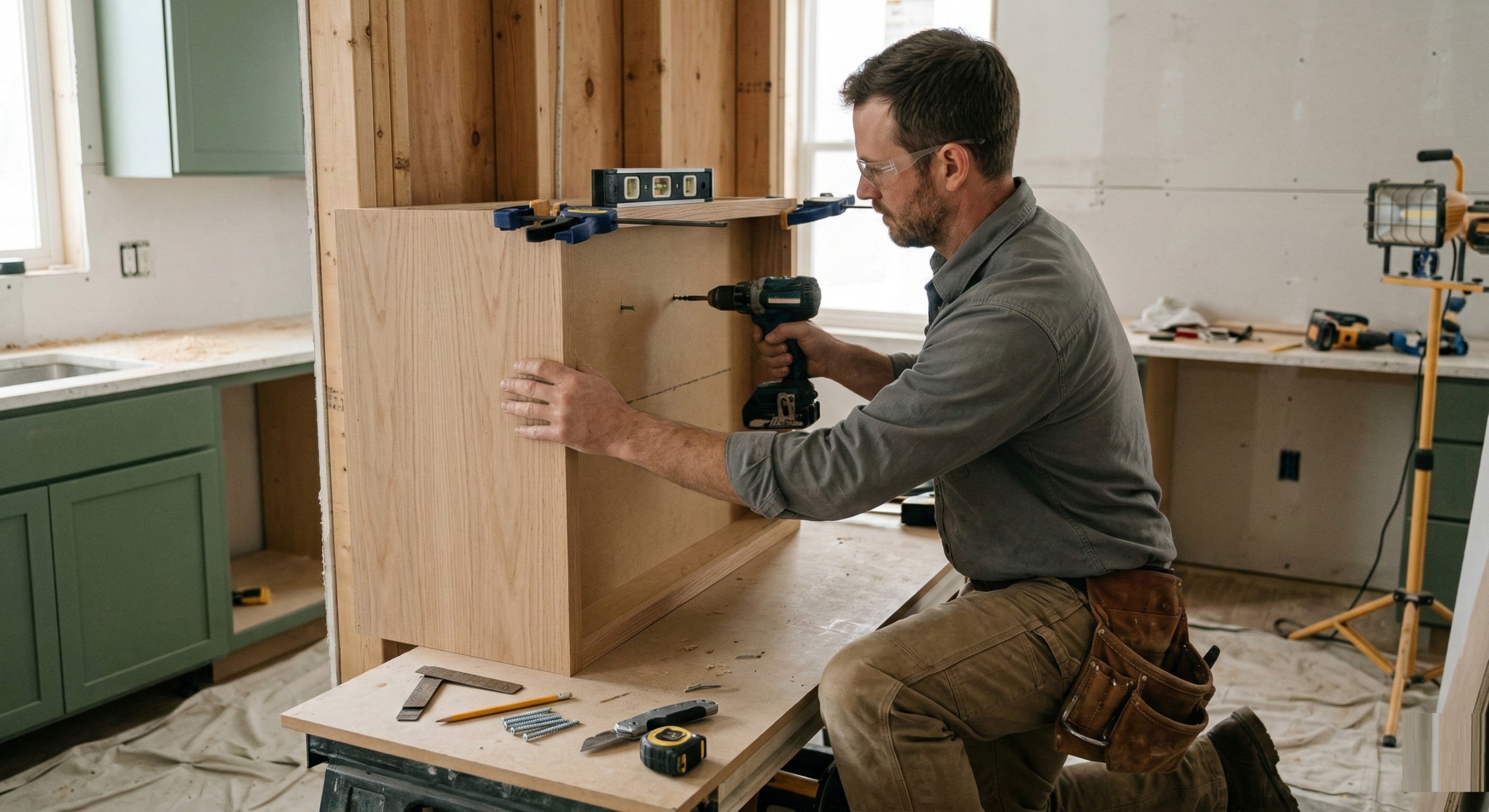
Central Cary projects often blend practical upgrades with careful attention to the existing home. Many homes in this area benefit from coordinated refreshes that improve daily function while keeping the scope organized and predictable. HomeFREA provides general contracting and remodeling in Central Cary with a focus on clear scope, coordinated scheduling across trades, and jobsite protection that helps occupied projects stay manageable. Whether you are planning a whole-home refresh, a kitchen remodel, a bathroom renovation, finish carpentry upgrades, or repairs uncovered once walls and floors are opened, we bring structure to the process so the work finishes cleanly.
Central Cary homeowners frequently focus on upgrades that improve flow, comfort, and durability while keeping the project plan tight.
Finish carpentry upgrades, including interior doors, casing, and baseboards
Most remodeling stress comes from unclear boundaries. We document inclusions, exclusions, and assumptions so the scope is understandable and comparable. This keeps decision-making clean and reduces mid-project surprises.
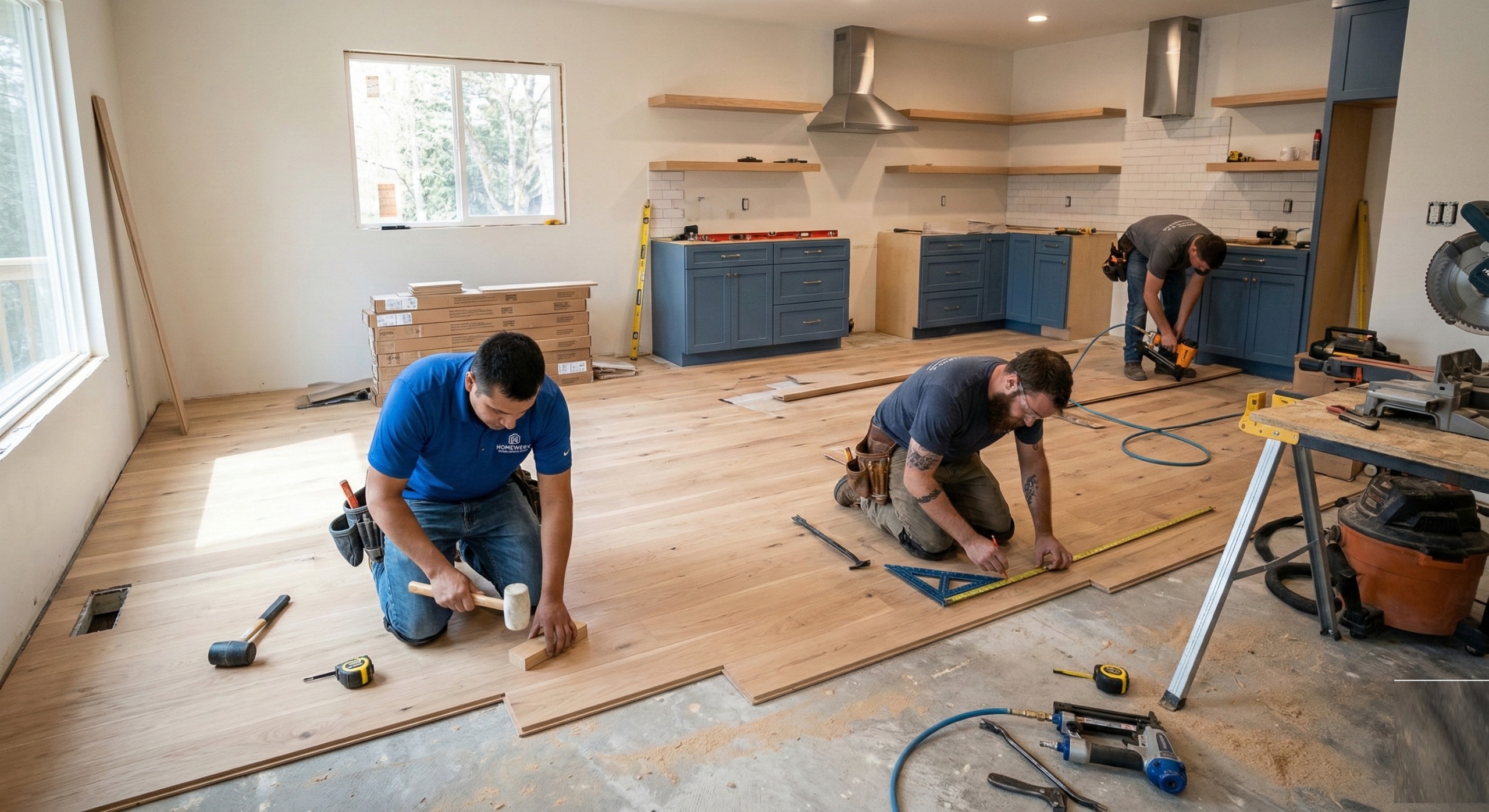
Multi-trade projects depend on the order of operations. Cabinets drive countertop templating. Countertops drive backsplash timing. Flooring affects baseboards and door clearances. Paint timing affects touch-ups and finish consistency. We coordinate these handoffs so the work moves forward without repeating steps.
Many Central Cary homeowners remain in the home during portions of the project. We plan floor protection, work-zone boundaries, and cleanup routines to reduce dust travel and keep pathways safer and more usable where possible.
If your project is a multi-room refresh, it is usually best to start with the whole-home remodeling plan so sequencing is coordinated from the beginning.
If you are not sure which service page fits your project, start with the Services hub.
Wide shots plus close-ups help us understand existing conditions, transitions, and the likely scope boundaries.
If you have a target date, travel plans, or other constraints, include them so sequencing is planned realistically.
Provide your address or neighborhood and any practical access details.
For kitchens, bathrooms, additions, and multi-room work, a site visit is often the point where scope and assumptions get locked.
Most project timelines are shaped by a few predictable factors. Planning around them early improves both pace and finish quality.
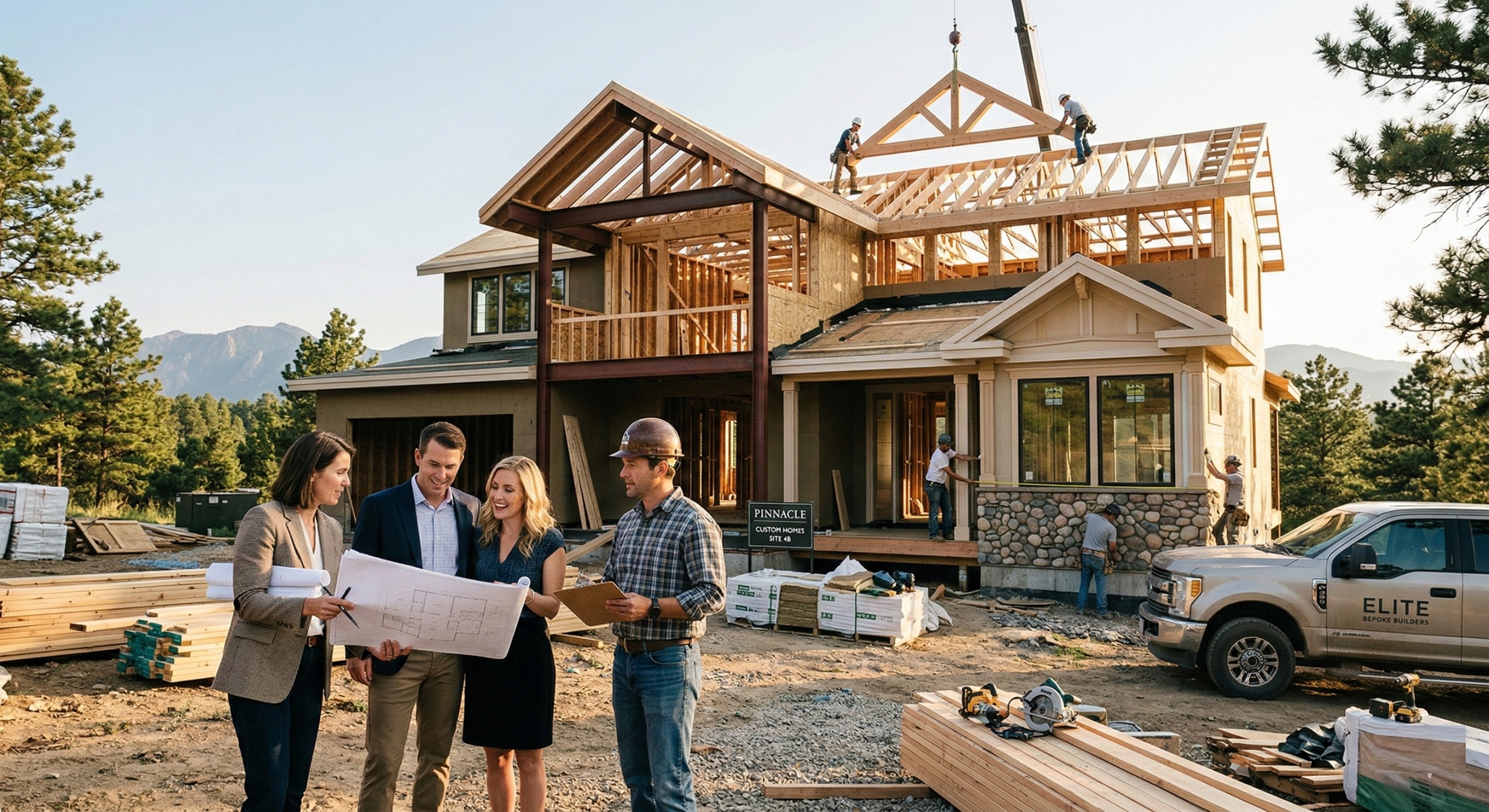
Some scopes require permits and inspections, especially additions, structural changes, and certain plumbing or electrical moves. When those apply, inspection scheduling becomes a real checkpoint in the timeline.
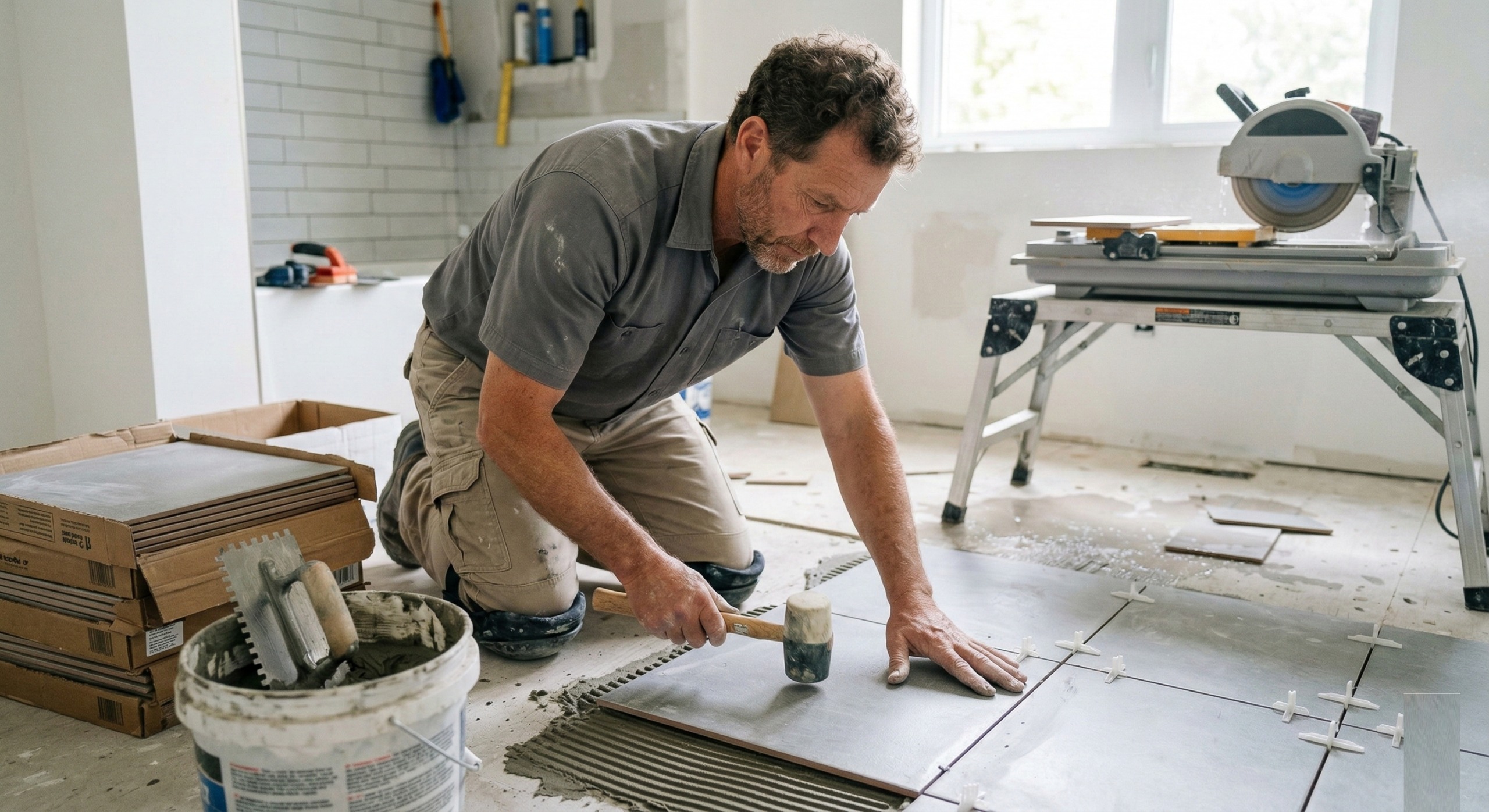
Drywall finishing, paint coats, and tile systems have normal drying and cure windows. These are quality steps. Rushing them often creates callbacks and uneven finishes.
Older homes and lived-in homes can hide issues behind walls or under floors. When scope changes, we document the finding, define the fix, and sequence it before finish work continues.
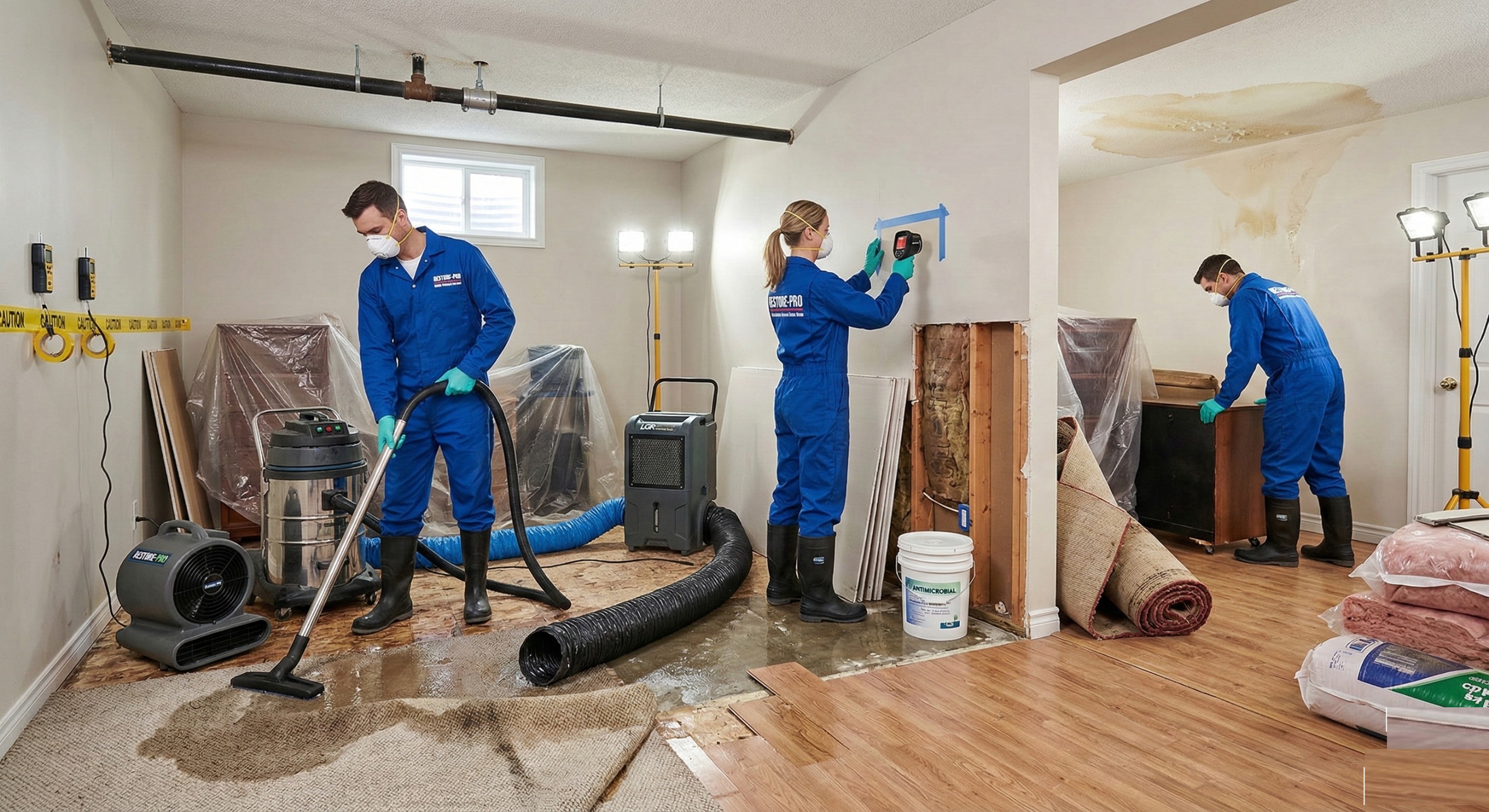
If the project involves repair after a leak, rebuild should start after drying is complete.


Documented scope boundaries so expectations stay aligned from start to closeout
Sequencing discipline so finish work is not installed too early
Jobsite protection routines including floor coverings and staged work zones
For examples of finished work and related scope notes:


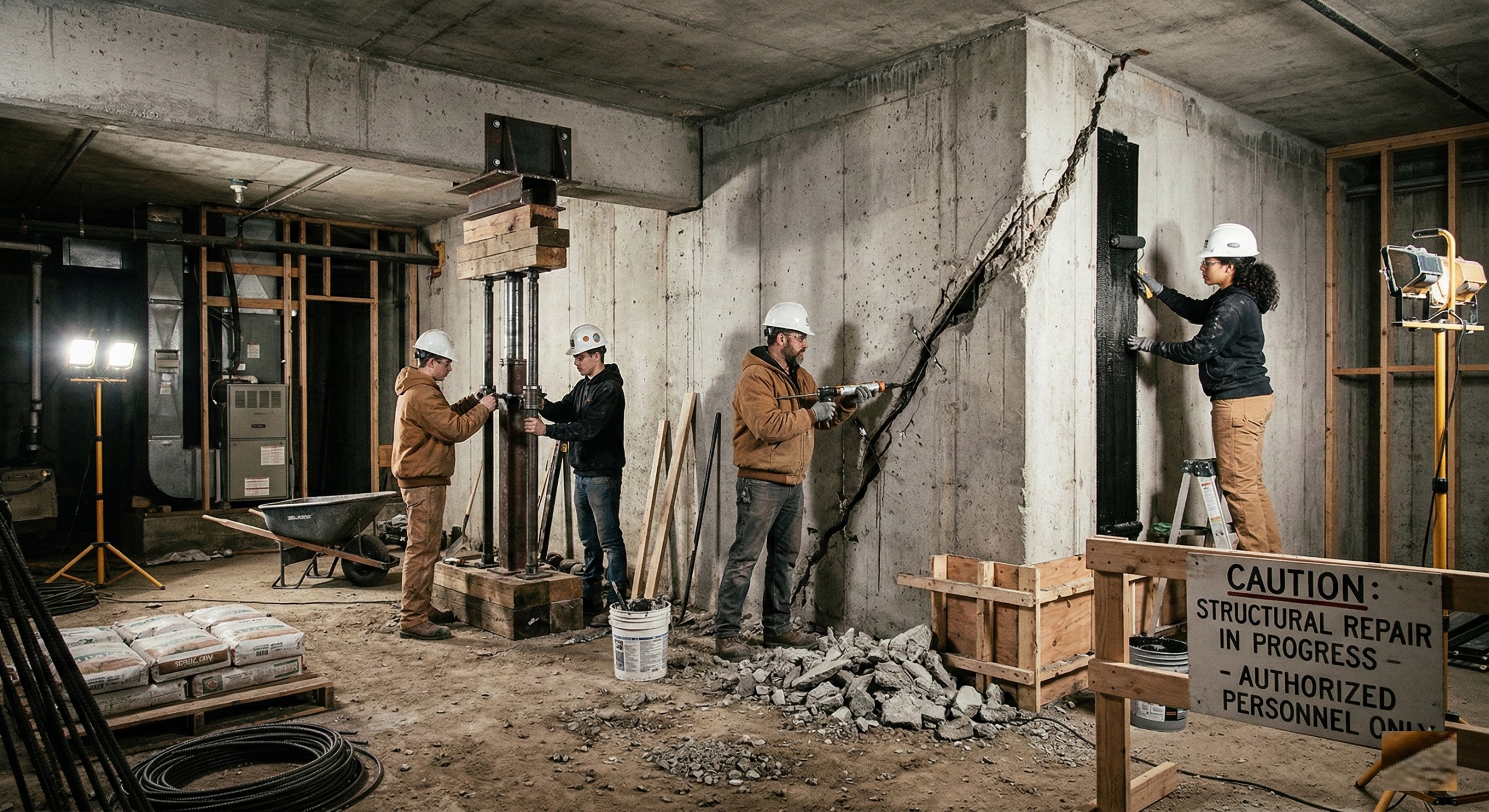
Yes, in many cases. If a remodel uncovers framing movement, subfloor issues, or other structural concerns, the right approach is to define and address the repair before continuing with finishes. We document the finding, clarify scope boundaries, and sequence the fix so it does not repeat-fail.
Changes should be documented before work proceeds. A change order should state what is changing, what it costs, and how it affects the schedule. This protects both the project timeline and the finish quality by keeping trade sequencing aligned.
Tell us what you want to change, upload a few photos, and share your rough timeline. We will confirm scope, identify the main schedule drivers, and outline next steps for an estimate.