Skip to content Skip to footer

Apex, NC

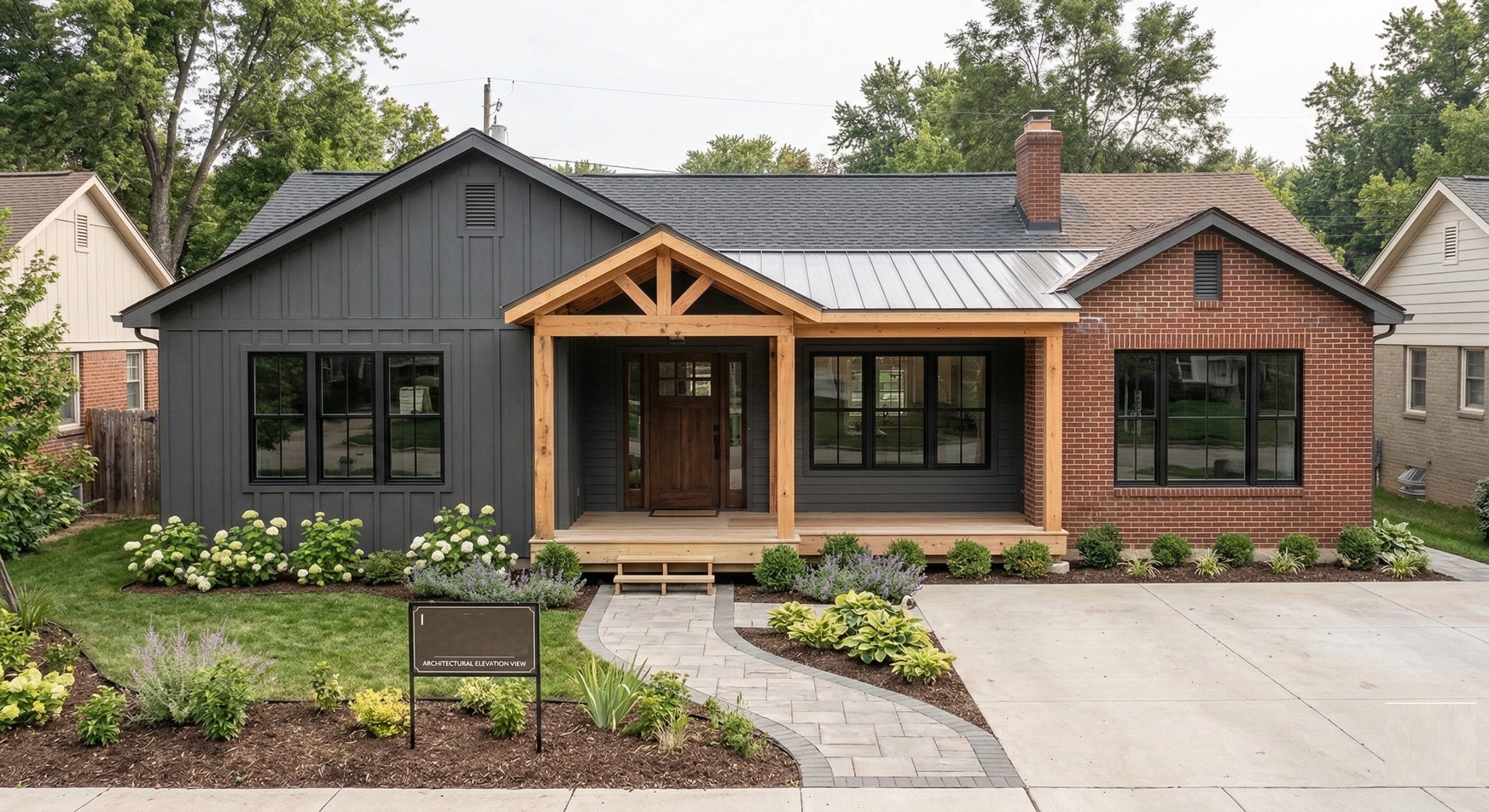
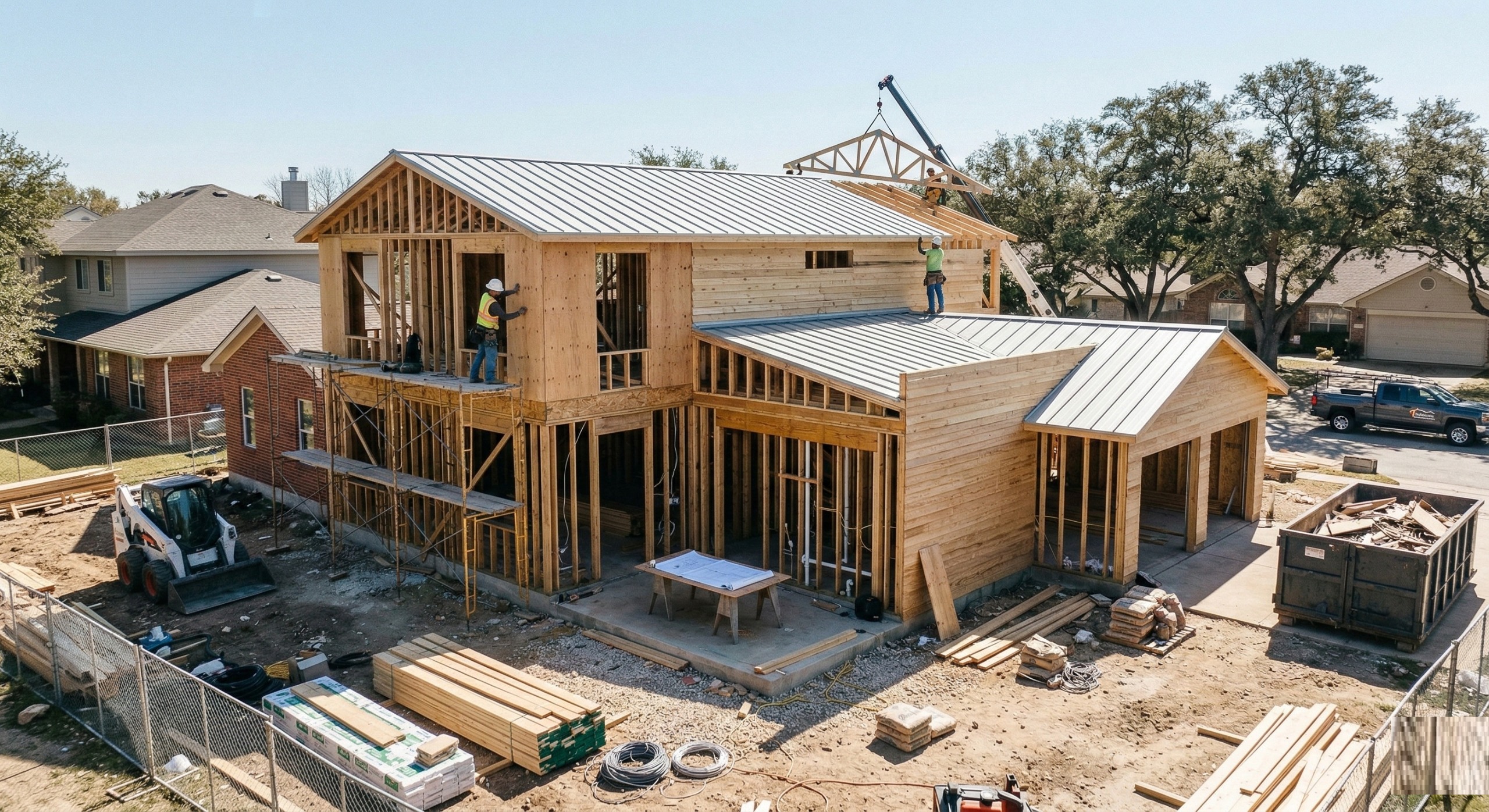
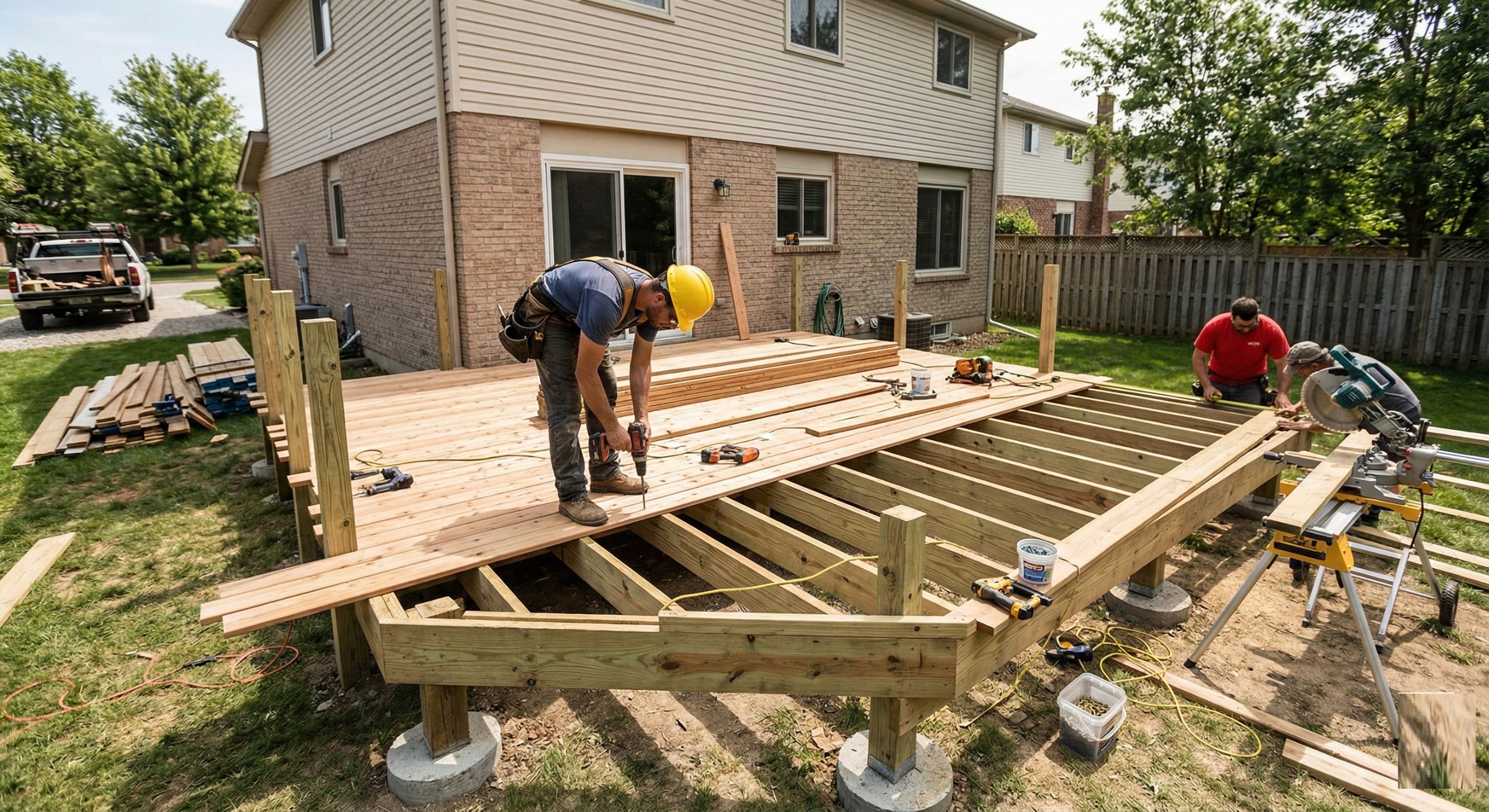
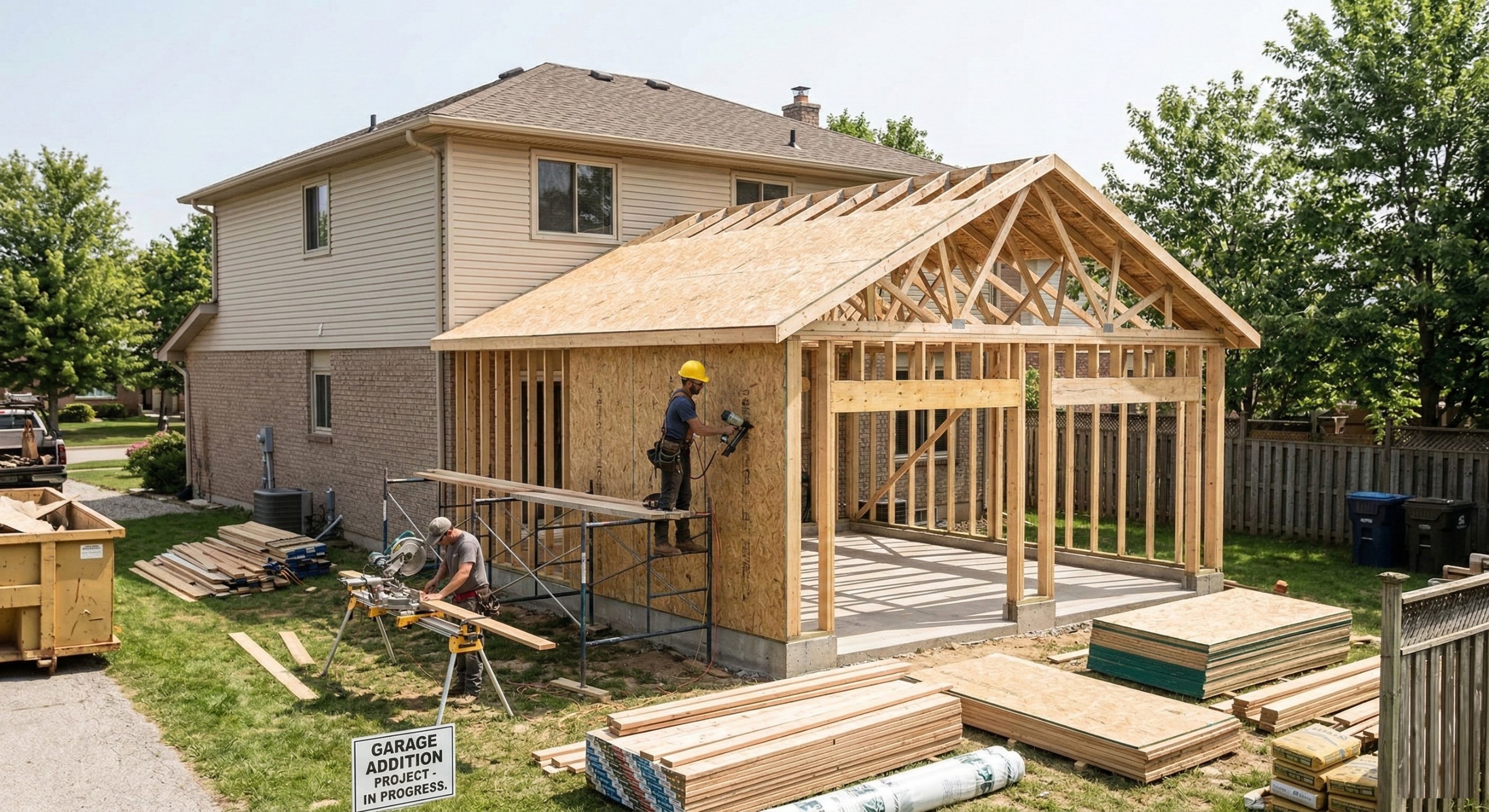
Apex homeowners often want upgrades that improve daily function without turning the home into a long, chaotic project. HomeFREA provides general contracting and home remodeling in Apex with a focus on clear scope, coordinated scheduling across trades, and jobsite protection that keeps disruption manageable in occupied homes. Whether you are planning an addition, remodeling a kitchen or bathroom, rebuilding a deck, refreshing floors and paint, or restoring a space after water damage, we bring structure to the process so work moves forward and closes out cleanly.

General Contractor & Home Remodeling in Apex, NC

Common projects in Apex

These are the scopes we see most often in Apex, especially for homeowners who want a clear plan and a realistic timeline.

to create more living space without a full move

that improve layout, storage, and finish quality

with better waterproofing, tile details, and ventilation

focused on safer stairs and railings, better flow, and durability

after drying is complete, with correct sequencing for finishes

How we run remodeling projects in Apex

Most remodeling stress comes from unclear boundaries. We document inclusions, exclusions, and assumptions so you know what is covered, what is not, and what could change if hidden conditions are discovered after demo. This makes bids comparable and decisions easier.

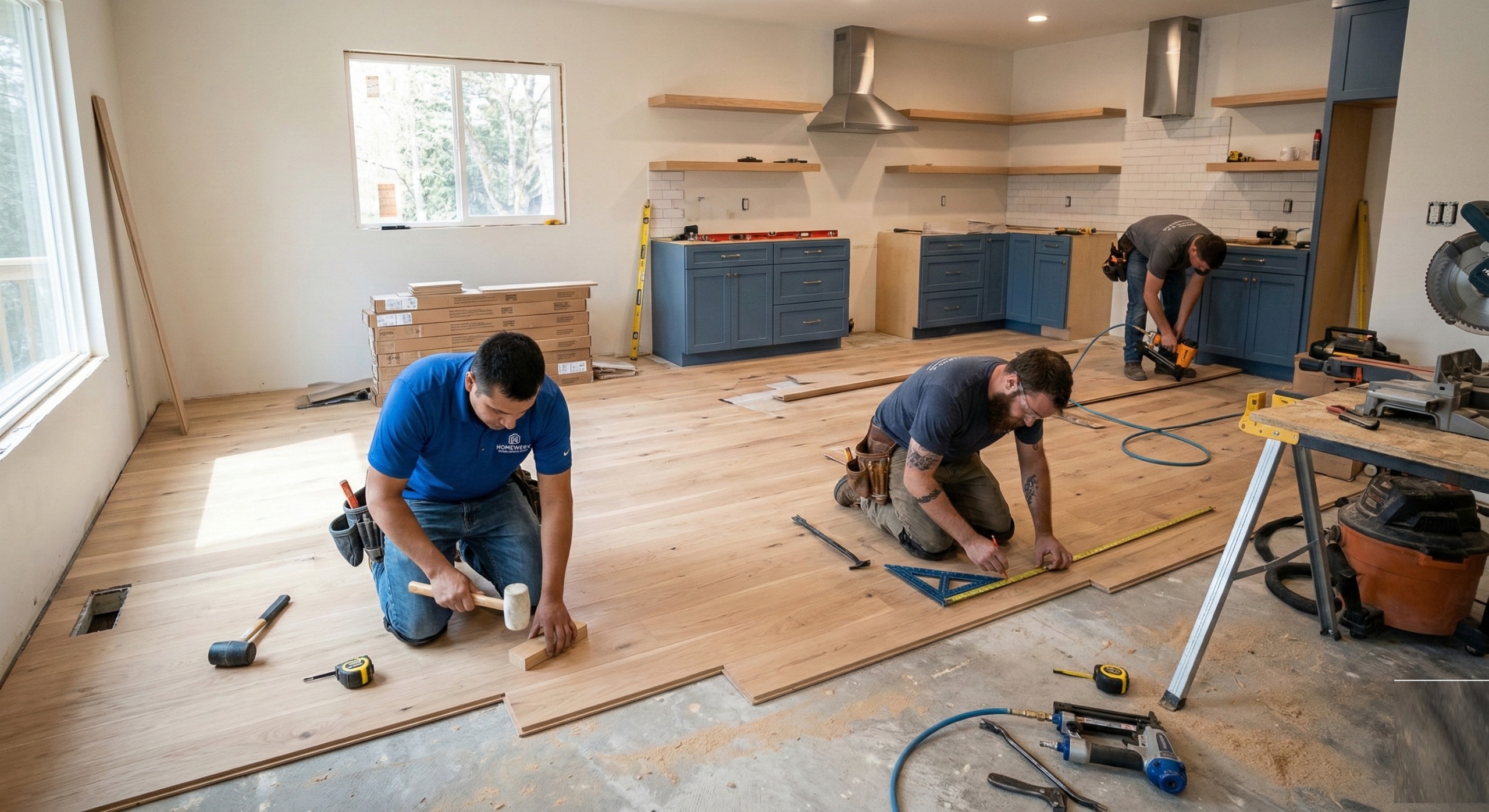
Multi-trade projects have dependencies. Cabinets drive countertop templating. Countertops drive backsplash timing. Flooring affects baseboards and door clearances. Paint timing affects touch-ups and finish consistency. We coordinate these handoffs so the schedule stays logical and the finished result looks intentional.

Many Apex projects happen while homeowners are living in the home. We plan floor protection, work-zone boundaries, staging, and cleanup routines so daily life remains more manageable during construction.

Services available in Apex

If you are not sure which page matches your scope, start with the Services hub and the estimate form so we can route you correctly.
Whole Home Remodeling
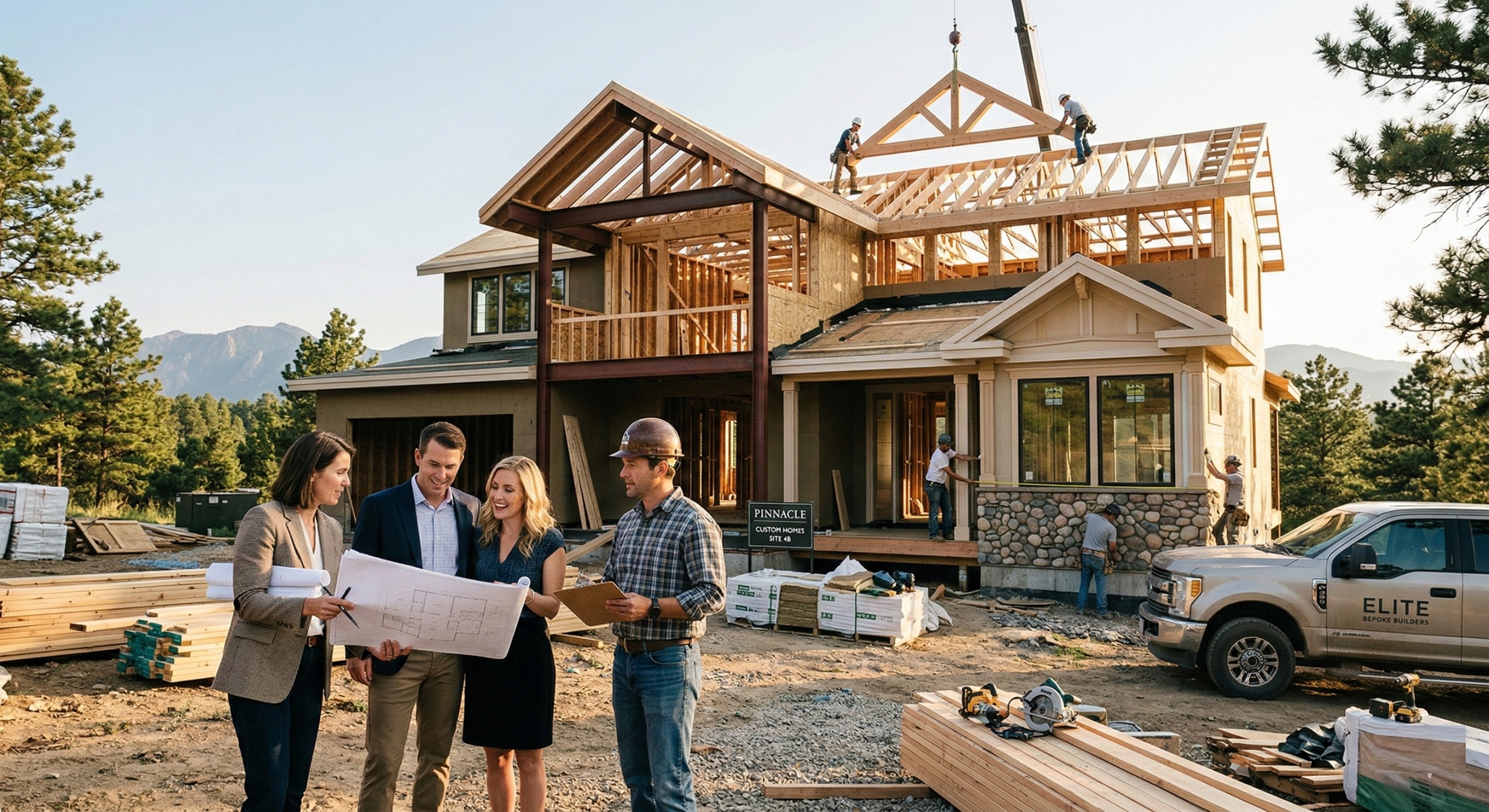
Home Additions
Deck Building
Garage Additions
ADU Builder
Kitchen Remodeling
Bathroom Remodeling
Structural Repairs
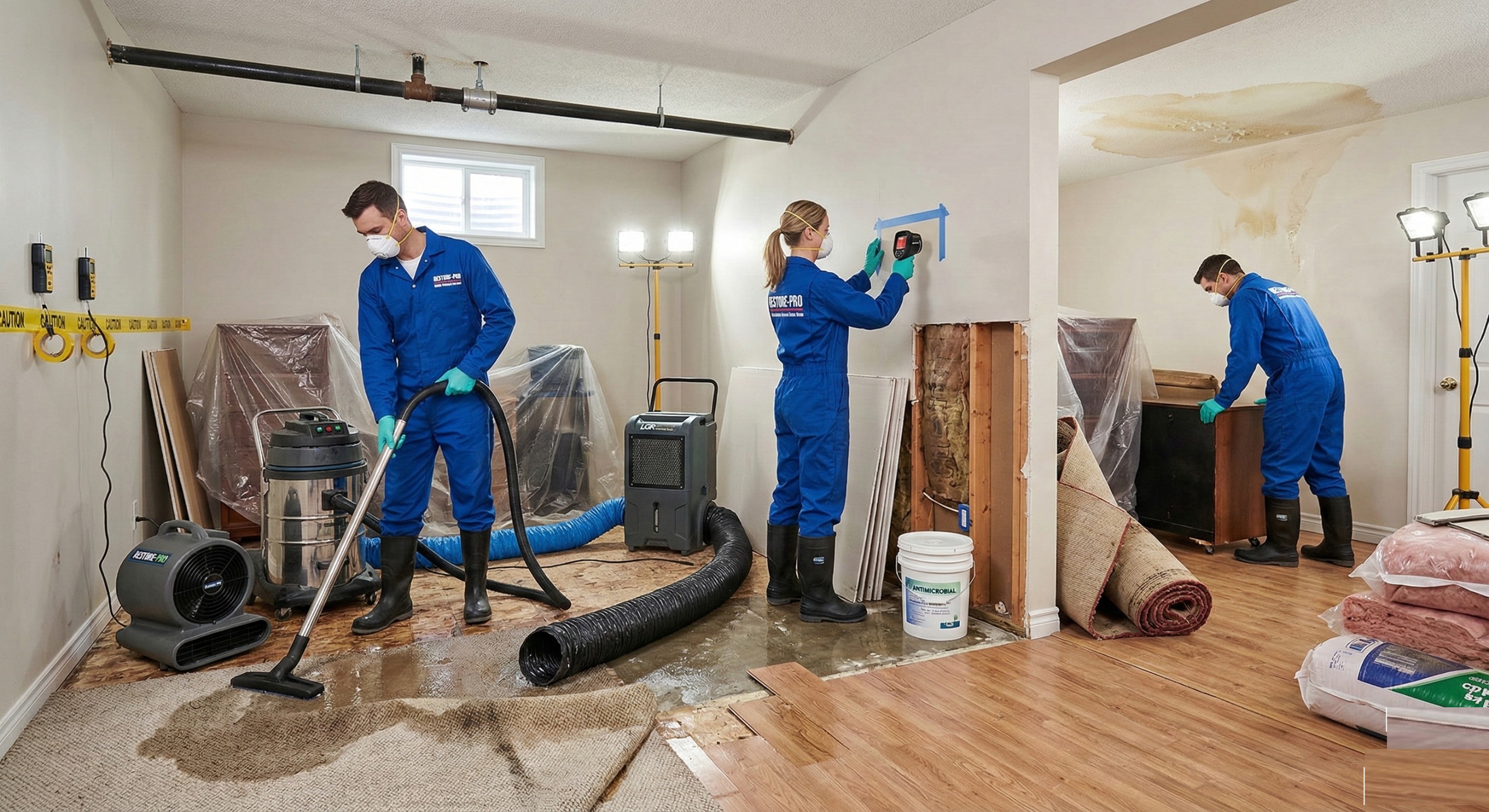
Water Damage Repair
Custom Home Building
Flooring Installation
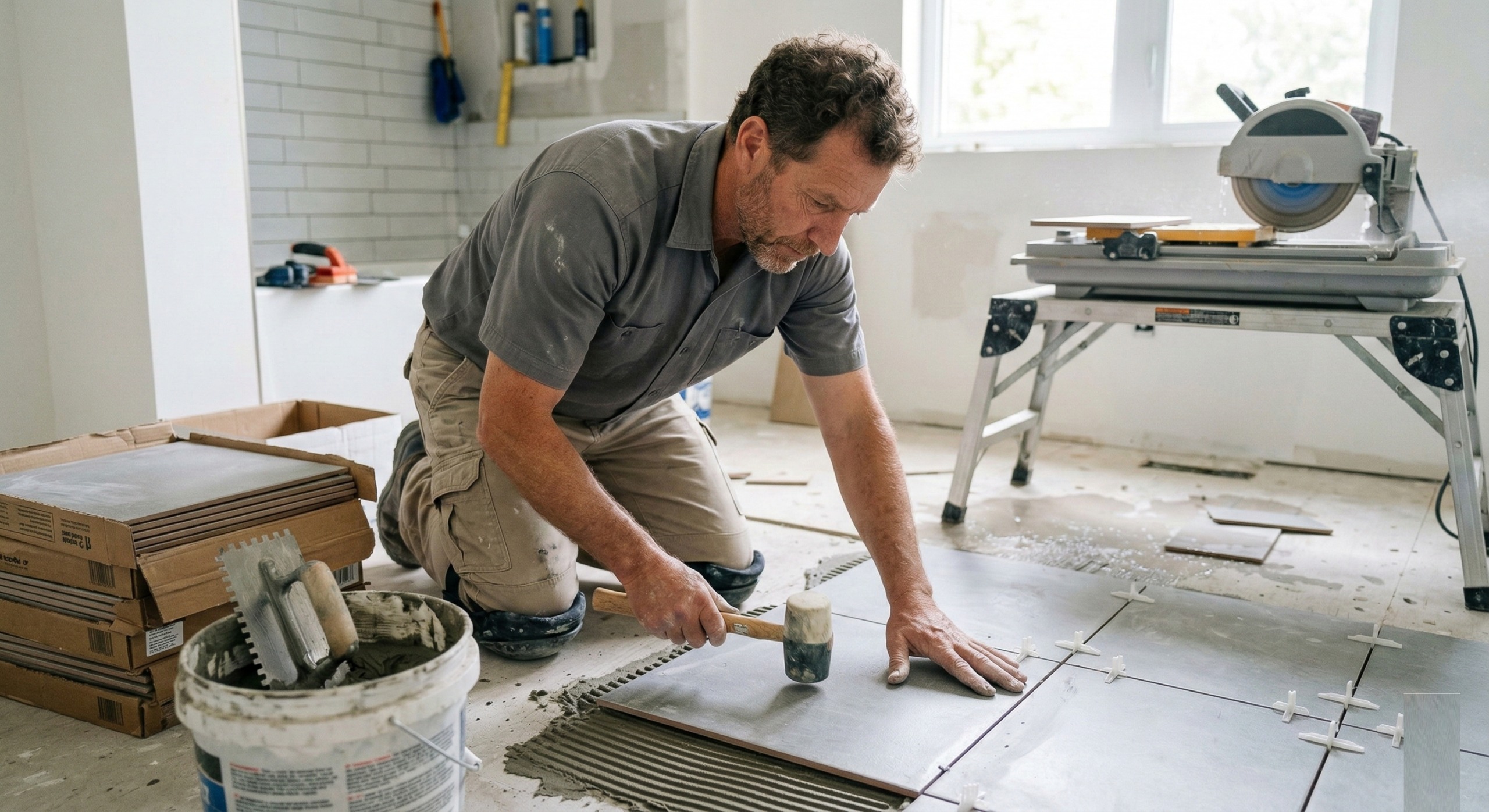
Tile Installation
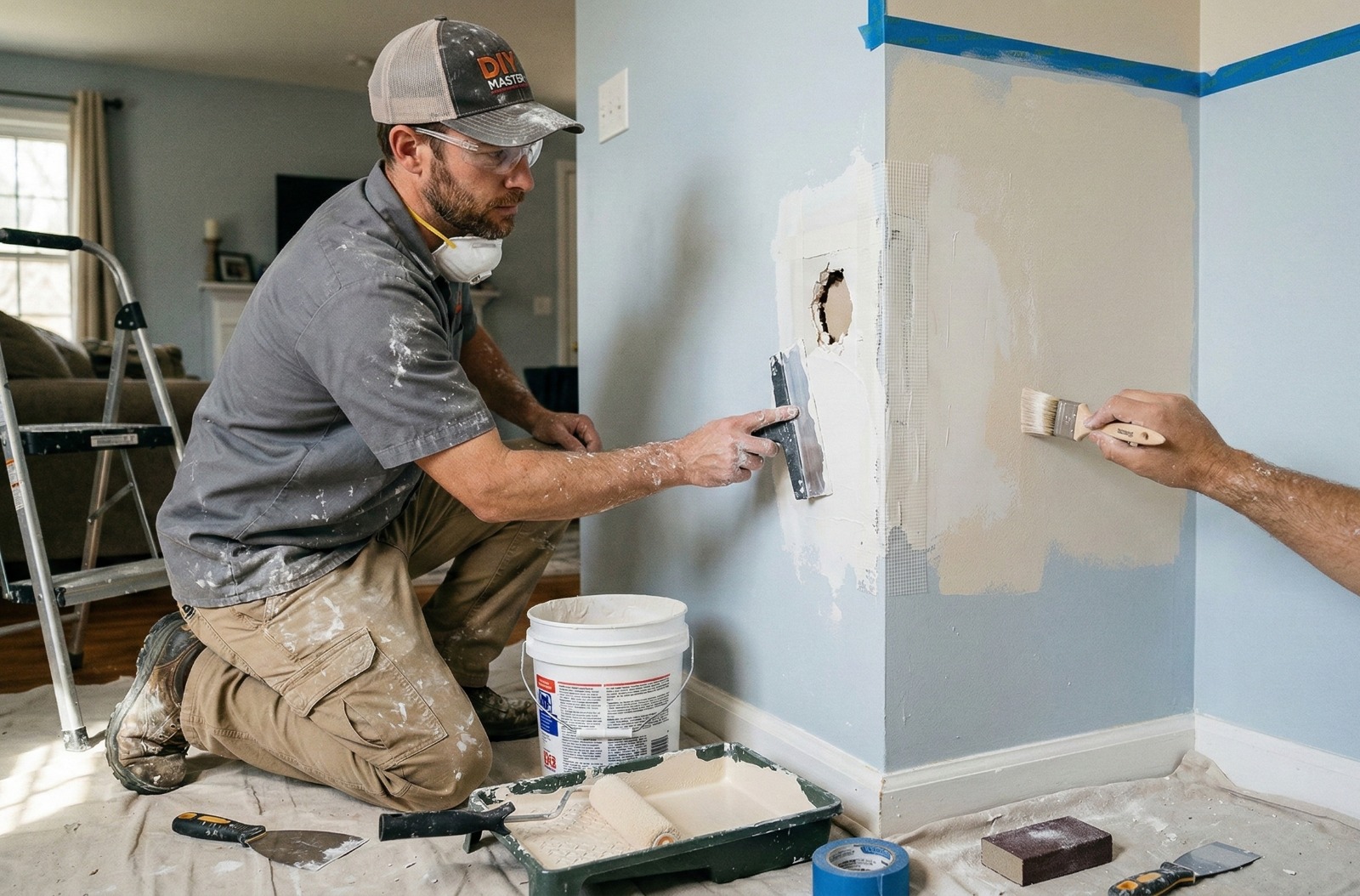
Drywall Repair & Painting
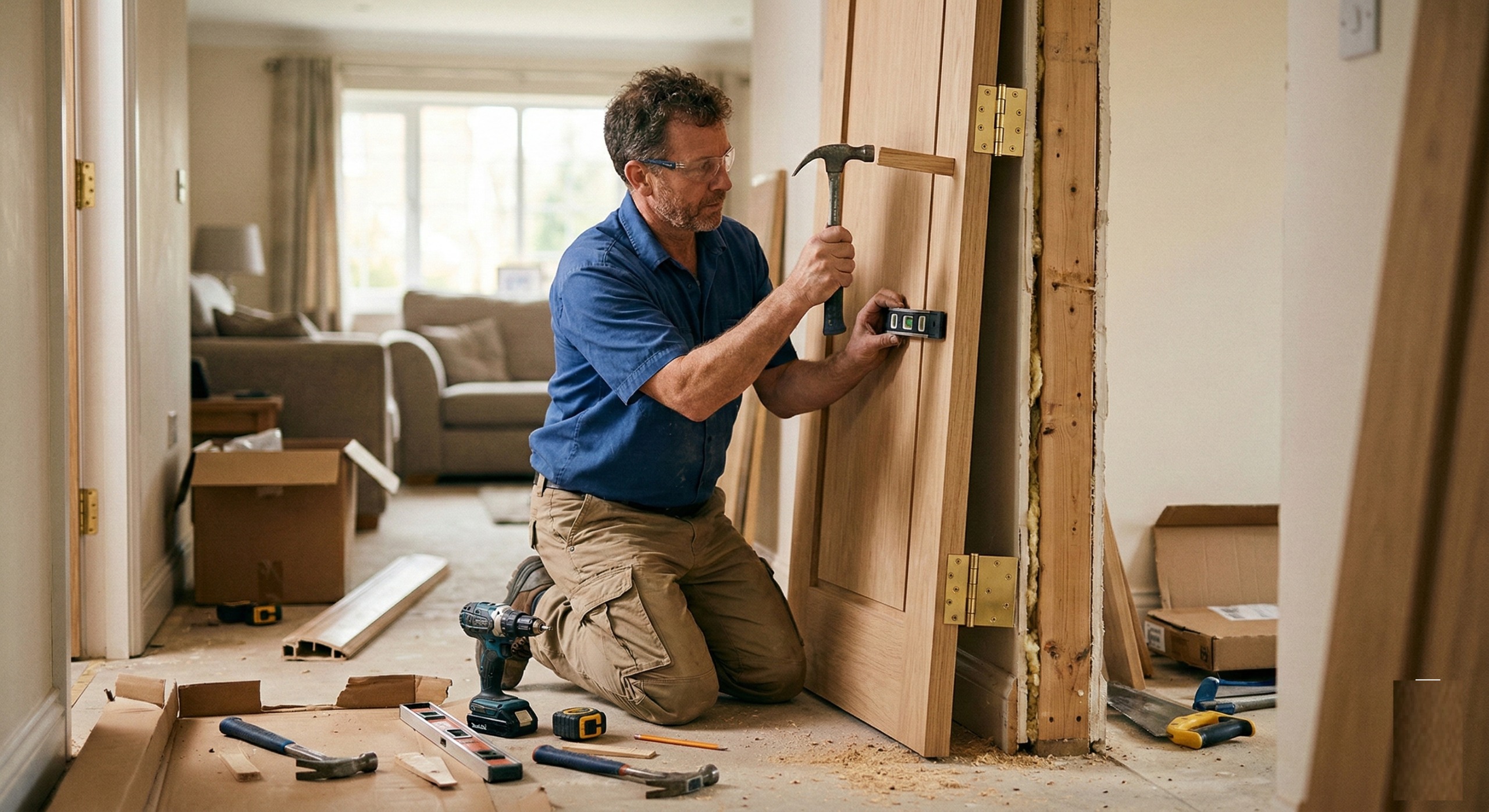
Doors & Trim Installation
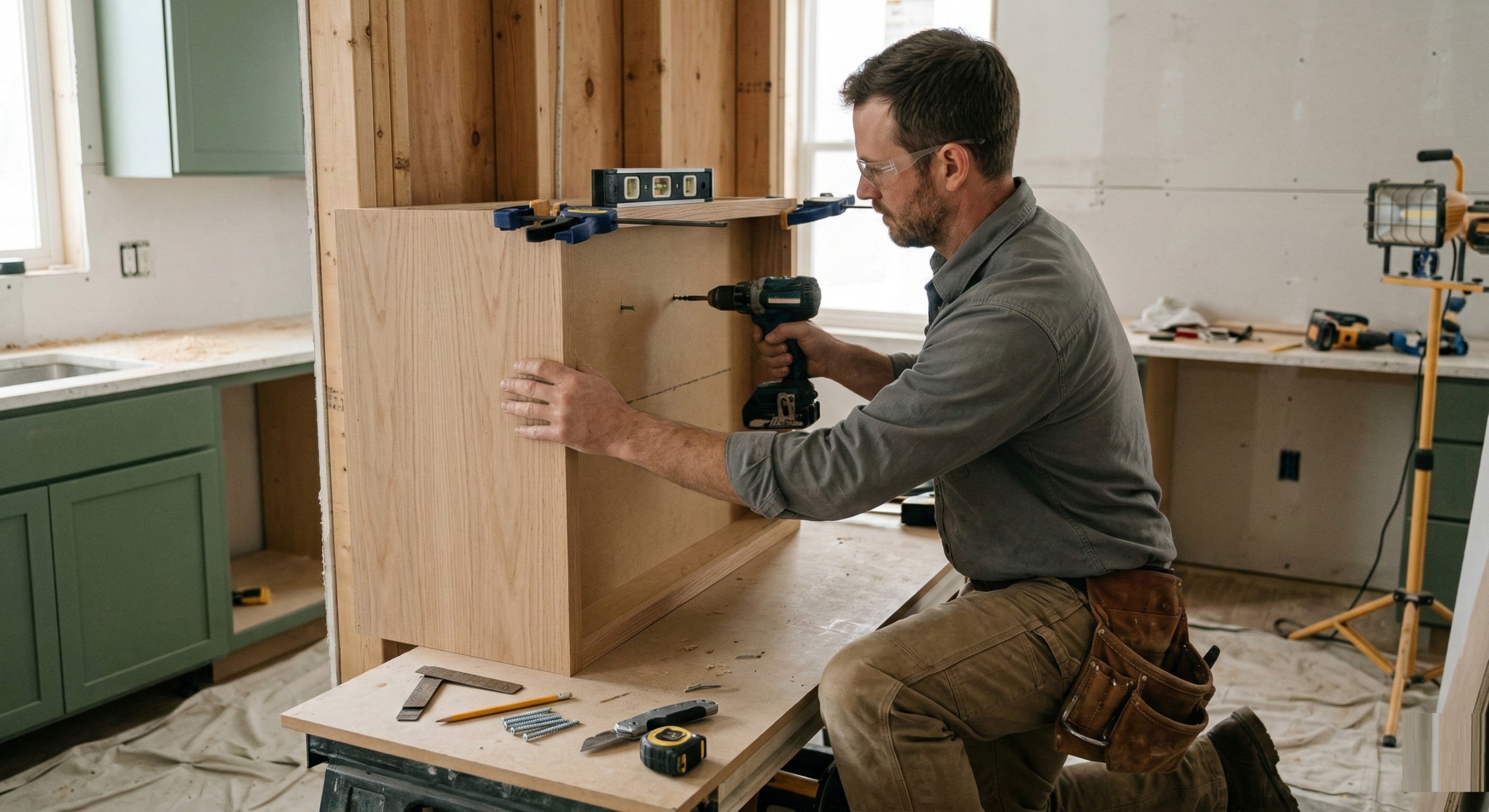
Cabinet Installation

What the estimate process looks like

A good estimate is a scope-definition process, not a guess. Here is how we keep it straightforward.

01

Send your request and upload photos

Wide shots plus close-ups help us understand existing conditions, transitions, and likely scope boundaries.

02

Describe your goals and priorities

Tell us what you want to change and what matters most, such as layout, durability, finish level, or timeline.

03

Share your rough timeline

If you have a target date, travel plans, or a move-in constraint, include it so sequencing is planned realistically.

04

Confirm location and access notes

Provide your address or neighborhood and any access constraints that affect scheduling and staging.

05

Site visit and scope confirmation (as needed)

For kitchens, bathrooms, additions, and multi-room work, a site visit is often the point where scope and assumptions get locked so pricing is realistic.
Need assistance?

Scheduling expectations in Apex

Most timeline issues come from a few predictable drivers. Planning around them early makes the project smoother.

Cabinets, certain flooring products, specialty tile, interior doors, and fixtures can affect start dates and mid-project momentum. Early decisions protect the schedule and reduce downtime between trades.

Some scopes require permits and inspections, especially additions, structural changes, and certain plumbing or electrical moves. When permits apply, inspections become schedule anchors. Planning around those anchors reduces stalled days.

Drywall finishing and paint require drying time. Tile phases may require cure windows. Flooring may require acclimation or subfloor prep. These are normal quality steps and should be planned, not rushed.

If the project follows a leak or moisture event, rebuild should start after drying and clearance are complete. Starting too early is one of the most common reasons repairs repeat.


Quality controls that protect the finish and the timeline

Documented scope boundaries so expectations stay aligned from start to closeout

Sequencing discipline so finish work is not installed too early, especially after water events

Jobsite protection routines including floor coverings, staged work zones, and cleanup habits

Communication cadence so you know what is next and what decisions keep things moving

Walkthrough and punch list closeout so final details are completed, not postponed

Want to see finished examples and related scopes?

Featured project examples

Project example 1

Addition with realistic scheduling and clean tie-ins

  • 1
    What we did
    Defined scope boundaries and inspection checkpoints early
  • 2
    Coordinated interior finish steps so the new space blended with the existing home
  • 3
    Closed out with a documented punch list process
BeforeBeforeAfter
BeforeBeforeAfter
Project example 2

Kitchen remodel coordinated around cabinets and tile timing

  • 1
    What we did
    Installed cabinets and coordinated countertop templating timing
  • 2
    Scheduled backsplash after countertops for clean alignment
  • 3
    Completed closeout touch-ups and walkthrough
Project example 3

Water damage rebuild with correct sequencing

  • 1
    What we did
    Scoped rebuild after drying was complete
  • 2
    Restored drywall and paint, then coordinated flooring replacement
  • 3
    Closed out with final walkthrough and punch completion
BeforeBeforeAfter

Frequently asked questions

If your project involves multiple trades like cabinets, countertops, tile, or an addition scope, reach out as early as you can. Lead times for selections and inspection checkpoints can shape the schedule. The fastest path is to request an estimate with photos and a rough timeline so we can identify constraints and next steps.

Lock in the scope boundaries and the key selections that drive lead time, especially cabinets, flooring, tile, doors, and fixtures. If the project includes an addition, confirm layout intent and finish level early. Late decisions tend to create downtime between trades and can force rework in already finished areas.

We run projects with clear sequencing and a communication cadence that keeps decisions from becoming last-minute emergencies. You can expect clarity on what is happening next, what materials or decisions are needed, and how changes affect schedule. When scope changes, we document it before work proceeds so sequencing stays aligned.

Some projects require permits and inspections, especially additions, structural changes, and certain plumbing or electrical moves. When that applies, we plan around likely checkpoints so inspections do not become last-minute delays. Requirements vary by scope and jurisdiction, so we confirm what applies during scoping.

Cost is usually driven by scope breadth, layout changes, finish level, and the amount of prep required to get quality results. Kitchens often hinge on cabinets and countertop decisions. Bathrooms often hinge on tile scope and waterproofing complexity. Hidden conditions discovered after demo can also expand scope, so assumptions should be written clearly.

Often yes, depending on which rooms are affected. Kitchens and single-bath homes require more planning since access can be limited during key phases. We can phase work when practical, but there will be periods with dust, noise, and drying or cure windows. During scoping, we talk through a realistic day-to-day plan.

Changes should be documented before work proceeds. A good change order states what is changing, what it costs, and how it affects schedule. This protects trade sequencing and prevents late-stage surprises where finish work has to be redone to accommodate a change.
Clear photos, a short goal statement, your rough timeline, and your address or neighborhood. For kitchens and baths, include any selections you already know, such as cabinet style, flooring type, or tile direction. Photos of transitions, stairs, and any visible damage reduce back-and-forth and speed up scoping.

Ready to plan a project in Apex?

Tell us what you want to change, upload a few photos, and share your rough timeline. We will confirm scope, identify the main schedule drivers, and outline next steps for an estimate.